
Colonies of Weldadigheid
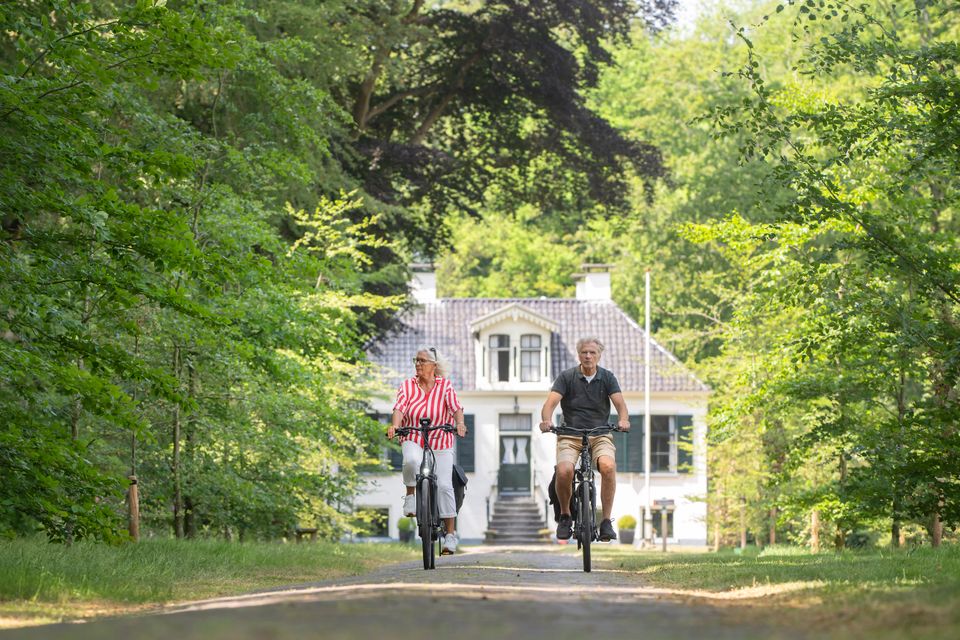
Trial colony Frederiksoord - UNESCO World Heritage Site
Frederiksoord lies at the heart of the beautiful landscape of South-West Drenthe. It is the very place where a daring social experiment began in 1818. It was here that General Johannes van den Bosch founded the first Colony of Benevolence. In this unique part of Drenthe, poor families were given the chance to build a new life.
Now, more than 200 years later, much of this unique chapter in Dutch history can still be seen. Visit the numerous monuments, take a walk past the colony houses and discover the characteristic landscape. Culture, nature and history come together here. A UNESCO World Heritage Site since 2021.
Highlights Colonies of Weldadigheid - Don't miss this
-
Museum de Proefkolonie - Frederiksoord
Museum de Proefkolonie - Frederiksoord
Visit Museum the Trial Colony and follow in the footsteps of the very first settlers. You will discover their stories through a multimedia tour, fun for young and old alike!
More information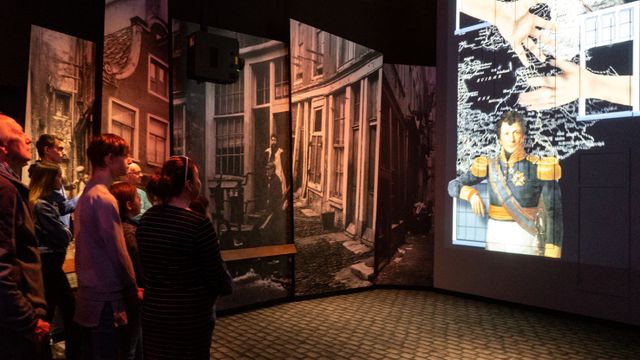
-
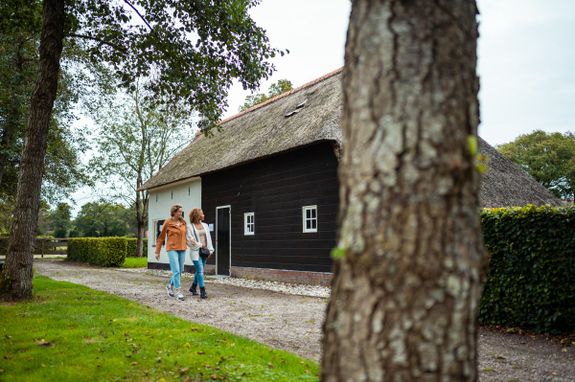
Colony cottage - Frederiksoord
Colony cottage - Frederiksoord
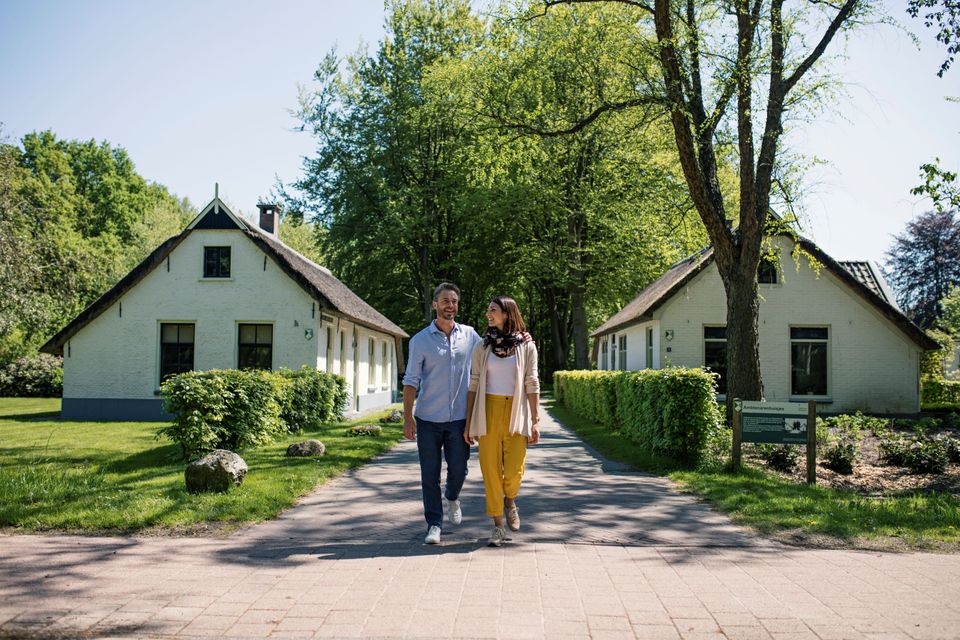
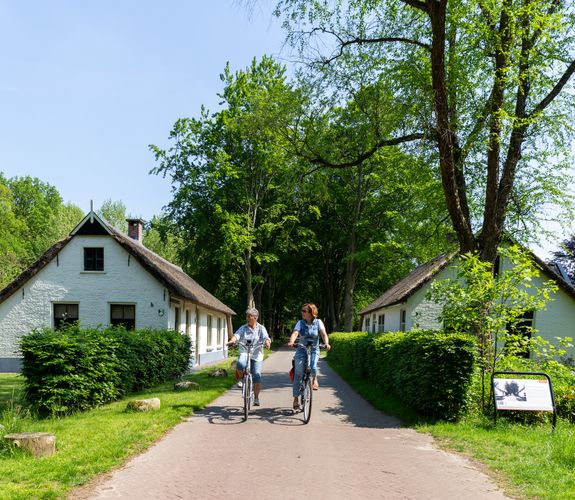
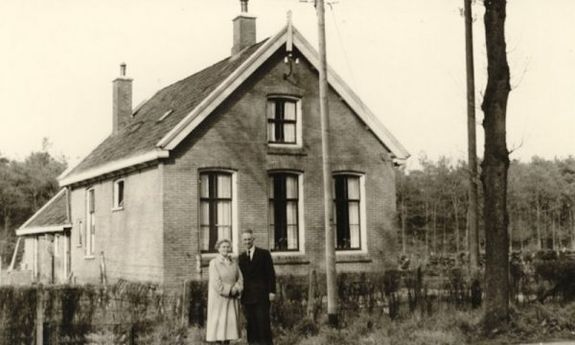
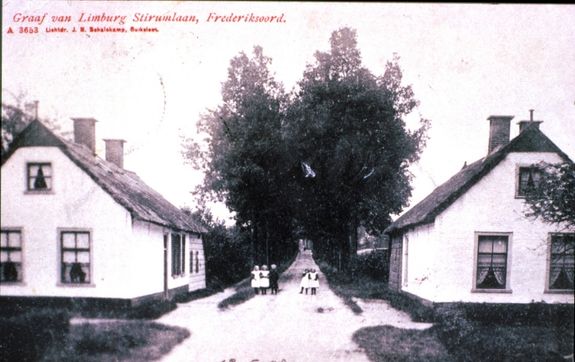
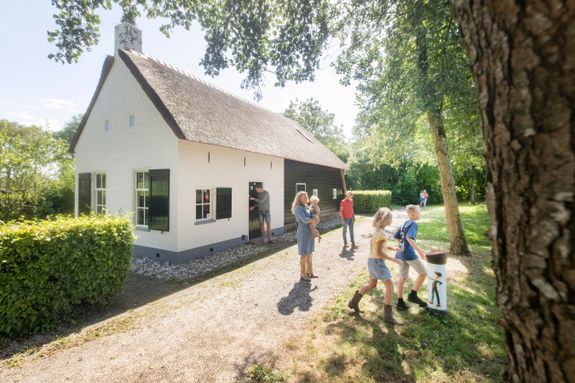
Welcome to the distinctive Colony House of the Society of Weldadigheid. A total of 430 colony houses stood in this area. This Colony House in Frederiksoord can be visited together with the Colony School and is part of the Outdoor Museum of the Colonies of Weldadigheid.
More information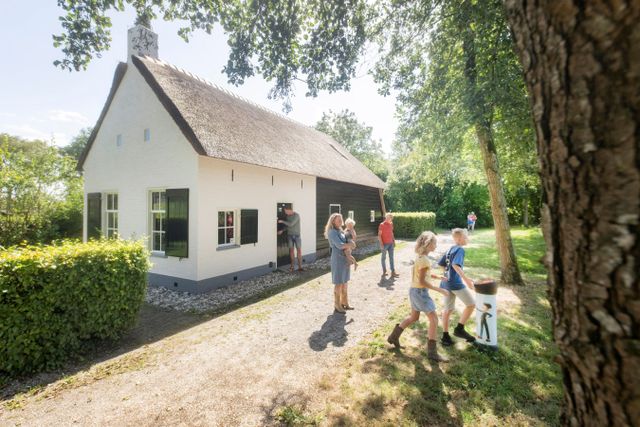
-
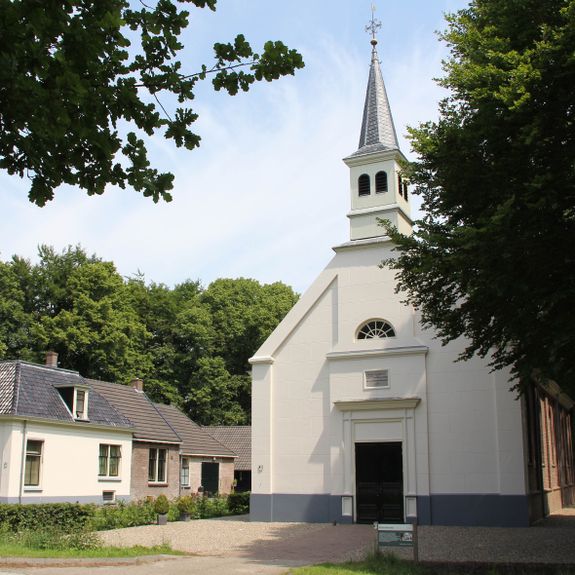
Colony school - Frederiksoord
Colony school - Frederiksoord
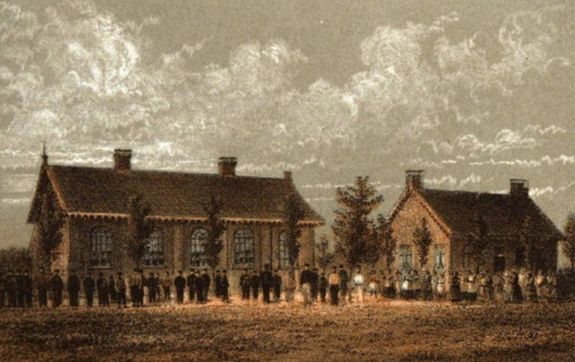
Frederiksoord's first Colony School was part of the central buildings, which stood at the heart of the pilot colony, next to the soup kitchen. This Colony Schoolhouse can be visited together with the Colony House and is part of the outdoor museum of the Colonies of Weldadigheid.
More information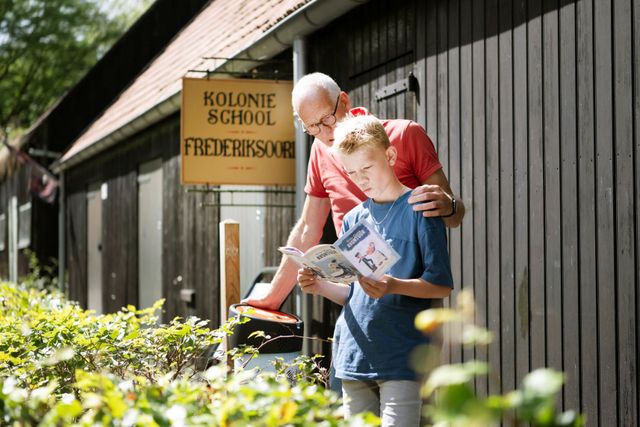
-
Outdoor exhibition Wilhelminaoord
Outdoor exhibition Wilhelminaoord
Here you will find out all about the special history of the village in Drenthe. Anyone visiting Wilhelminaoord will still feel and see much of the ideas of Johannes van den Bosch and 'his' Society of Weldadigheid.
More information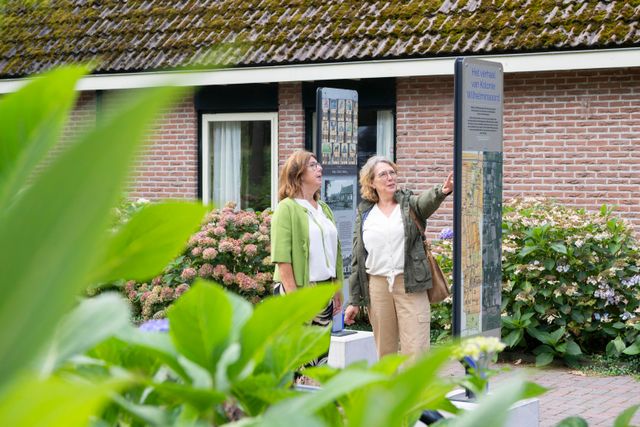
-
De Tramloods - Frederiksoord
De Tramloods - Frederiksoord
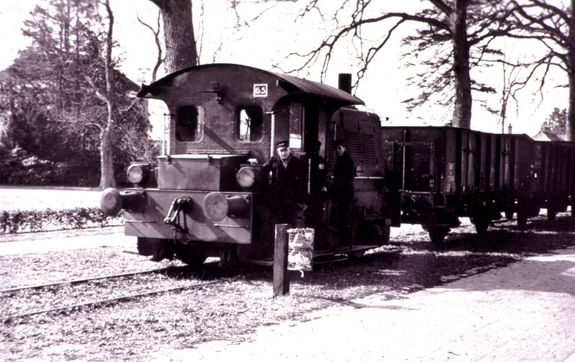
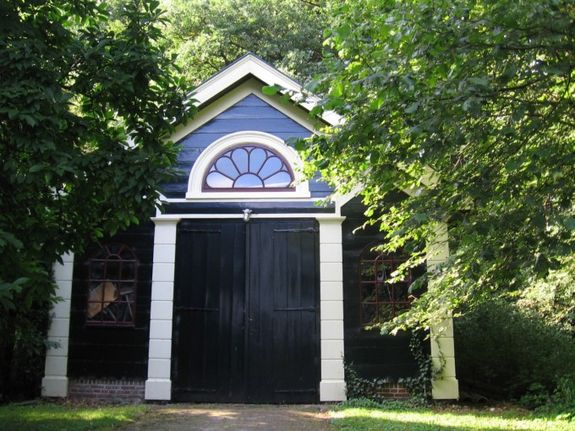
The historic tram shed is an annex to Museum De Proefkolonie. Here you can experience the permanent exhibition Return Society | Mobility in the Colonies of Weldadigheid. Immerse yourself in the unique logistical problems of this special UNESCO World Heritage area.
More information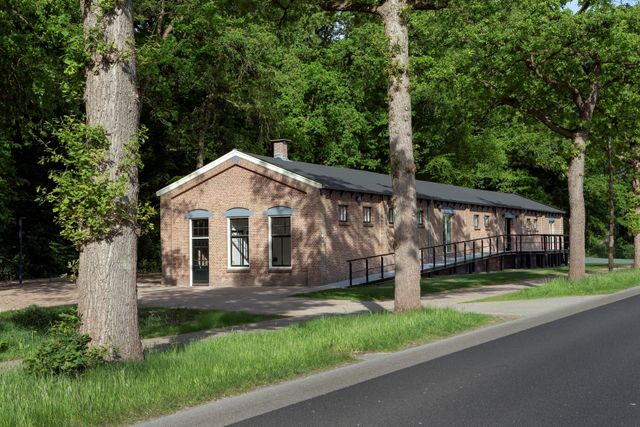
UNESCO World Heritage Site
In 2021, UNESCO recognised the cultural landscapes of Frederiksoord-Wilhelminaoord and Veenhuizen in the Netherlands and Wortel-Kolonie in Flanders as being of exceptional and universal significance to all of humanity. This meant that four of the seven original Colonies of Benevolence were added to the prestigious World Heritage List. UNESCO cited two reasons for this:
The landscape has been designed and laid out in such a way as to encourage residents to behave in a rational and productive manner. The straight lines of the roads and avenues, and the rhythm and regularity of the buildings, are intended to encourage residents to think logically and work efficiently.
The social experiment aimed to develop poor people and poor land. A utopian idea based on the ideas of the 18th-century Enlightenment was put into practice. The ‘uplifting’ of residents through work, education and moral development was central to this.
The most beautiful cycling routes - Discover the Colonies of Weldadigheid by bicycle
-
Frederiksoord Cycle Route | Education in the Colonies of Benevolence
Frederiksoord Cycle Route | Education in the Colonies of Benevolence 3 hours 40 minutes (40 km)Frederiksoord
-
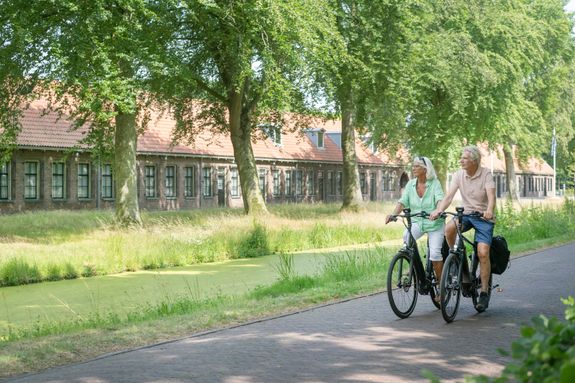
Past colonial farmhouses, fields and tasty treats
Past colonial farmhouses, fields and tasty treats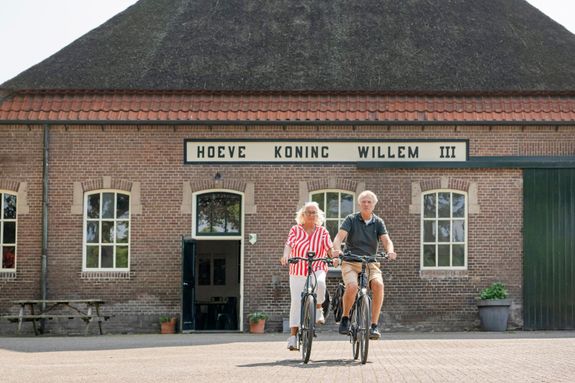 (18 km)Frederiksoord
Take a look
Watch the video for a good mood impression of the Colonies of Weldadigheid in south-west Drenthe.
Walk along history - route tips
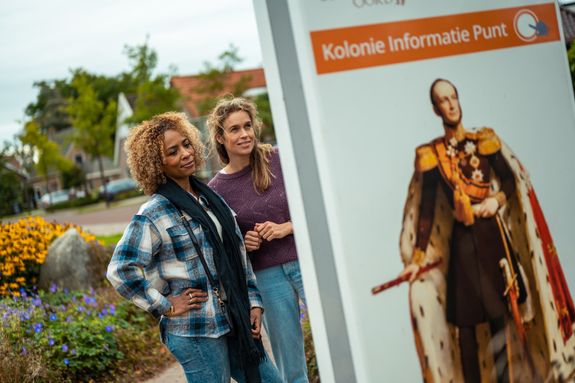
What you mustn’t miss
-
5th Midwinter Horn Walk, Zorgvlied
5th Midwinter Horn Walk, Zorgvlied5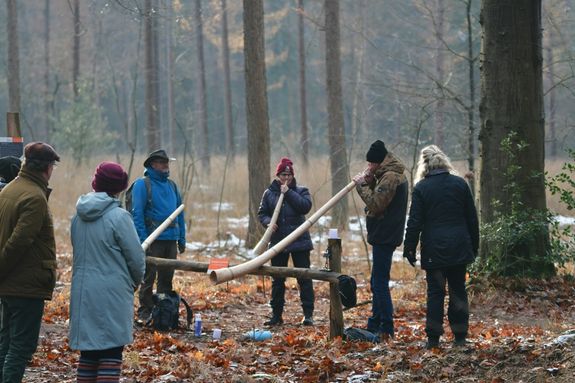
Sunday 29 November
In Zorgvlied -
South-West Drenthe as the setting for Scrooge Live | on TV on Omroep MAX
South-West Drenthe as the setting for Scrooge Live | on TV on Omroep MAX
Sunday 20 December
In Diever
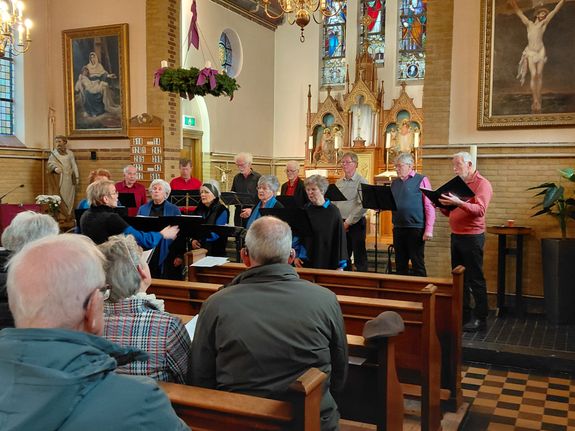
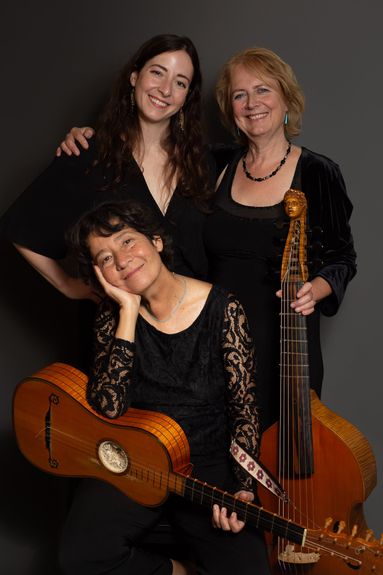
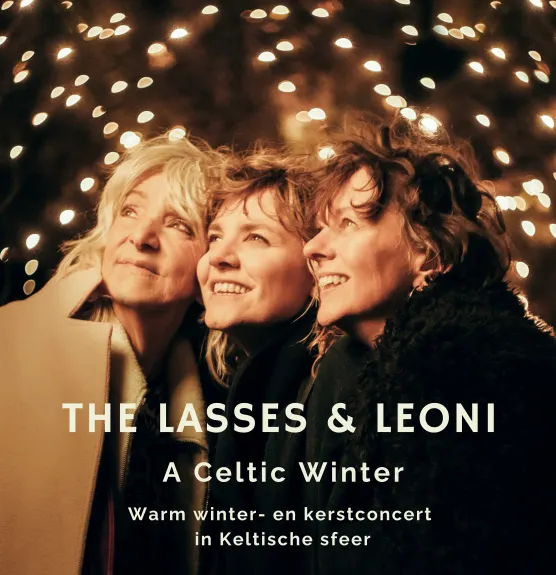

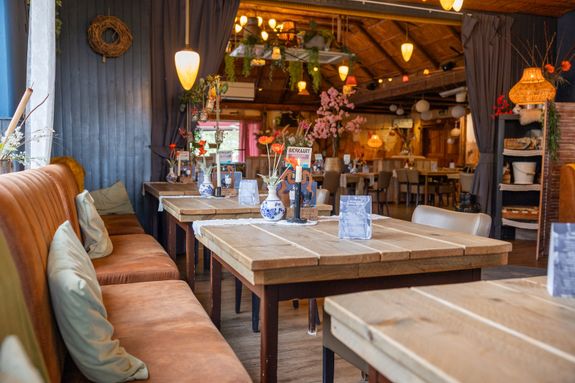
Discover and experience the unique story
-
Proef op de Som x Museum De Proefkolonie; Back to the roots
Proef op de Som x Museum De Proefkolonie; Back to the roots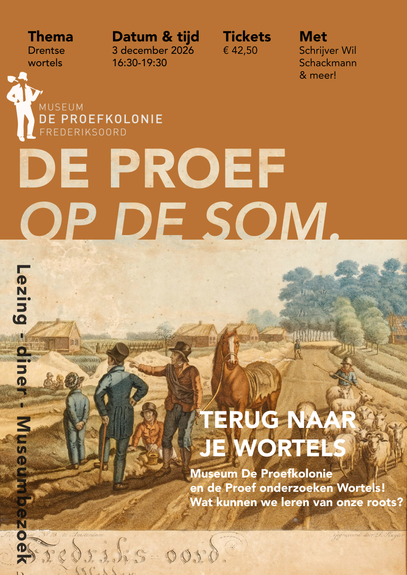
Thursday, 3 December
In Frederiksoord -
NEW! Eat and Explore in the Colony
NEW! Eat and Explore in the Colony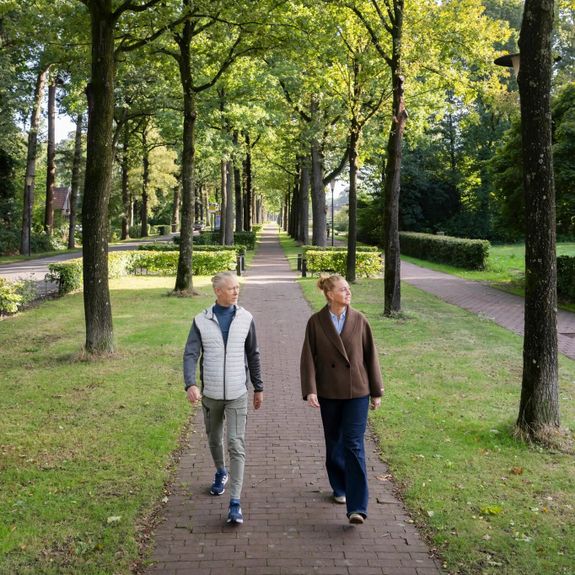
until 28 March 2027
In Frederiksoord -
Autumn walk through Frederiksoord – in the footsteps of the settlers
Autumn walk through Frederiksoord – in the footsteps of the settlers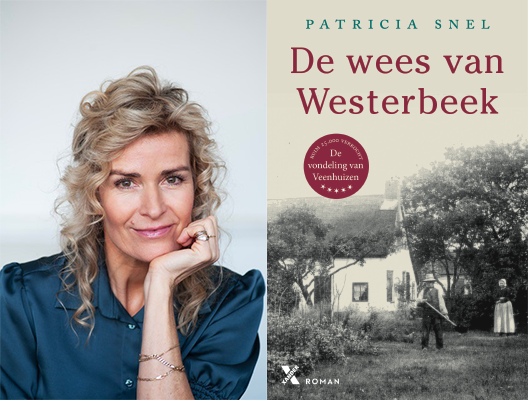
Sunday 29 November
In Frederiksoord -
Exhibition | 'Return Society - Mobility in the Colonies of Weldadigheid'
Exhibition | 'Return Society - Mobility in the Colonies of Weldadigheid'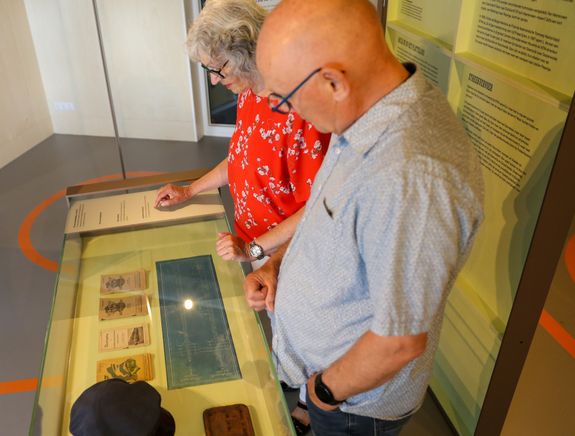
weekly
In Frederiksoord -
Exhibition | KansArm? Poverty then, poverty now
Exhibition | KansArm? Poverty then, poverty now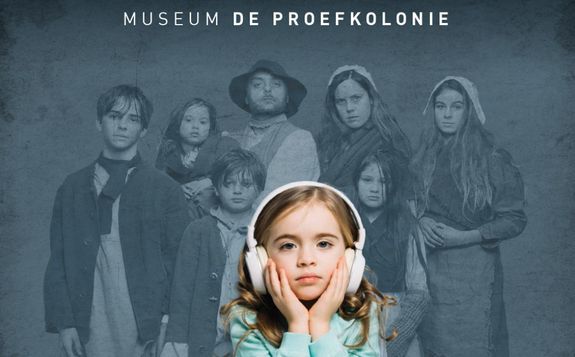
weekly
In Frederiksoord
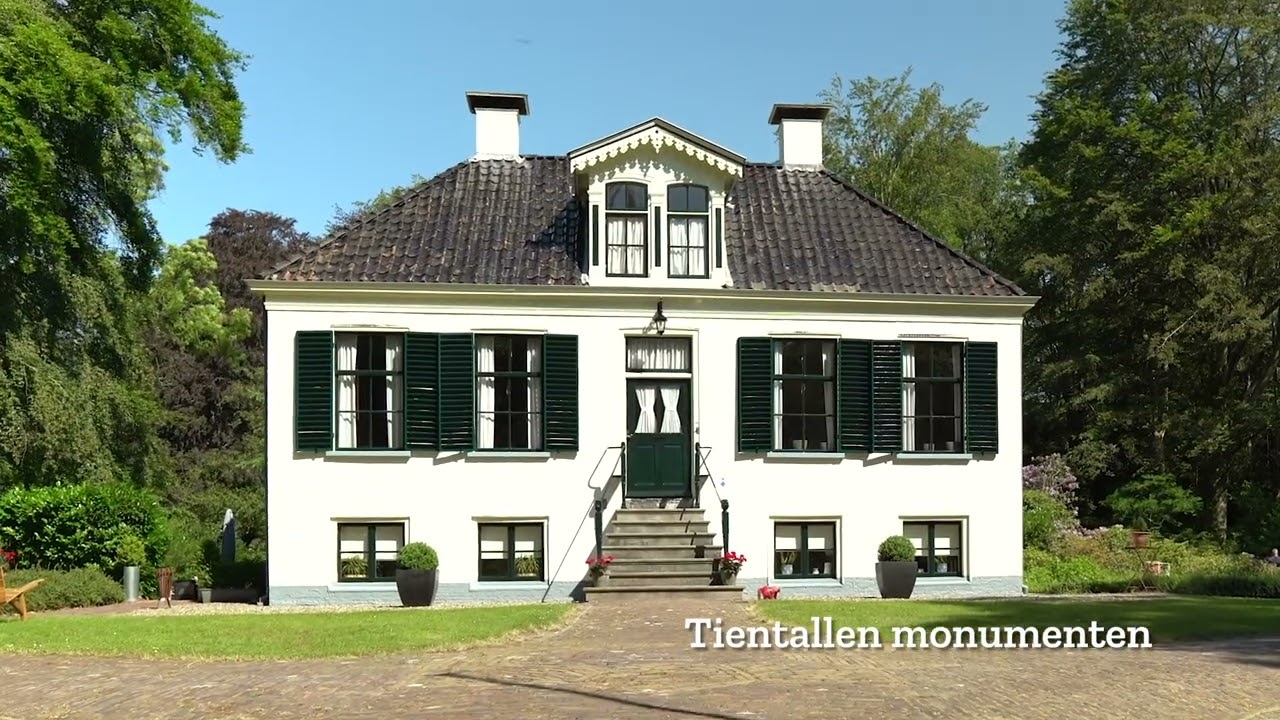
Numerous monuments
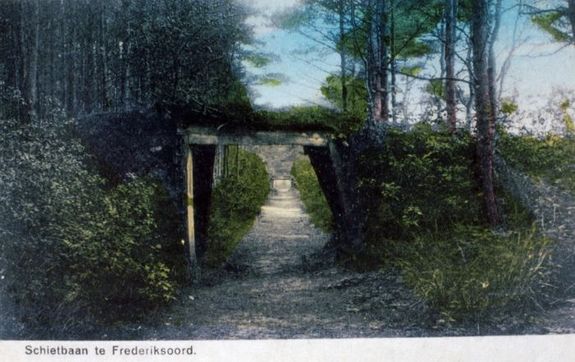
View the interactive map - Discover the Colonies of Benevolence
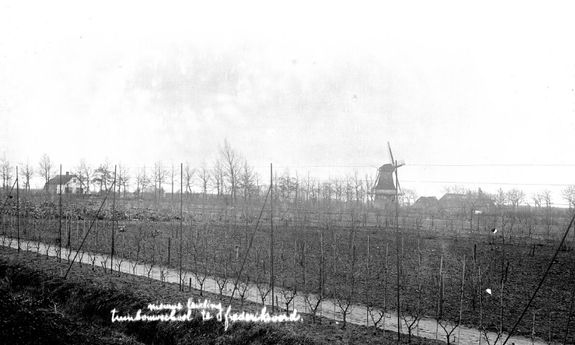
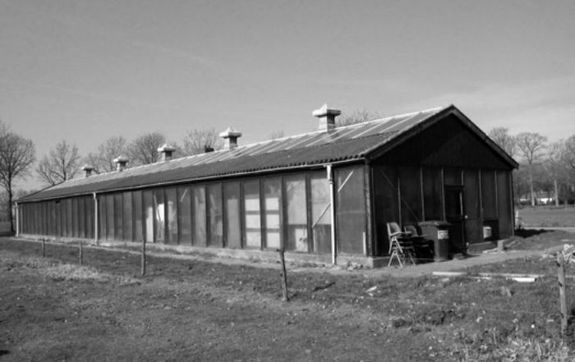
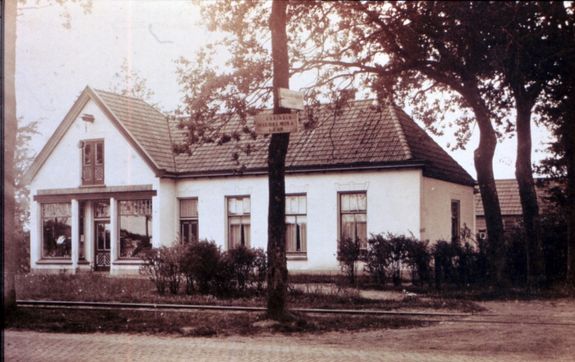
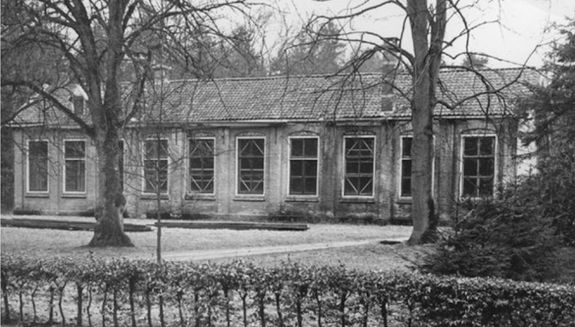
Welcome to the Colonies of Benevolence. The name alone is enough to pique your curiosity. Discover seven unique places steeped in history and hidden stories. And the wonderful thing is: everything from that era is still visible in a unique landscape dotted with numerous monuments. The Colonies of Benevolence really come to life when you discover and experience those stories for yourself.
Frequently asked questions
The Colonies of Benevolence are agricultural colonies established from 1818 onwards by the Society of Benevolence. Through this social experiment, General Johannes van den Bosch sought to combat poverty by giving poor families the chance to build a new life. Settlers were provided with a home, a plot of land to cultivate and access to work and education. Strict rules applied, and they were required to hand over a portion of their produce.
The first colony was founded in 1818 in Frederiksoord, in South-West Drenthe. This was followed by Wilhelminaoord and Willemsoord, amongst others. In total, seven Colonies of Benevolence were established in the Netherlands and Belgium. The distinctive landscape, with its straight avenues, farmland, colonial houses and monuments, is still recognisable in many places. Four of the seven original Colonies of Benevolence have been UNESCO World Heritage Sites since 2021.
In 2021, UNESCO recognised the cultural landscapes of Frederiksoord-Wilhelminaoord and Veenhuizen in the Netherlands and Wortel-Kolonie in Flanders as being of exceptional and universal significance to all of humanity.
As a result, four of the seven original Colonies of Benevolence were added to the prestigious World Heritage List. UNESCO cited two reasons for this:
- The landscape was designed and laid out in such a way as to encourage the inhabitants to behave in a rational and productive manner. In other words, the straight lines of the roads and avenues, and the rhythm and regularity of the buildings, were intended to encourage the inhabitants to think logically and work efficiently.
- The social experiment aimed to develop both poor people and poor land. A utopian idea based on the principles of the 18th-century Enlightenment was put into practice. The ‘uplifting’ of residents through work, education and moral development was central to this.
Frederiksoord is known as the place where the first Colony of Benevolence was founded in 1818. General Johannes van den Bosch began a social experiment here, giving poor families the chance to build a new life through farming, work and education. The colony’s history is still clearly visible in the landscape, with its characteristic colonial houses, straight avenues, farmland and historic buildings.
Housing, work, education and healthcare were the key pillars for the success of this social experiment. Children in the Free Colonies of Benevolence were required to attend school, and the colonies had their own health insurance scheme. Churches, shops, schools and even retirement homes were established. With these social services, the Society of Benevolence was 80 years ahead of the rest of the Netherlands. It is therefore regarded as the cradle of our current welfare state.
In Frederiksoord, you can visit, amongst other things, the De Proefkolonie Museum, where you can learn more about the origins of the Colonies of Benevolence and the lives of the first colonists. The historic Koloniehuisje, the Kolonieschooltje and the Tramloods are also open to visitors. In addition, there are various walking and cycling routes that allow you to explore the characteristic landscape and the numerous monuments in and around Frederiksoord. Frederiksoord, like Wilhelminaoord and Veenhuizen, has been a UNESCO World Heritage Site since 2021.
The seven historic Colonies of Benevolence are Frederiksoord, Wilhelminaoord, Willemsoord, Veenhuizen, Ommerschans, Wortel and Merksplas. The Colonies of Benevolence are scattered across the Netherlands and Belgium and did not all serve the same purpose.
Frederiksoord, Wilhelminaoord and Willemsoord are part of the so-called Free Colonies of Benevolence, where families were given a home and a plot of land to build a new life. Veenhuizen and Ommerschans developed into ‘Unfree Colonies of Benevolence’, where orphans, beggars and vagrants, amongst others, were housed and put to work. Wortel in Belgium began as a Free Colony and later developed into an Unfree Colony. Merksplas was also an Unfree Colony in Belgium.
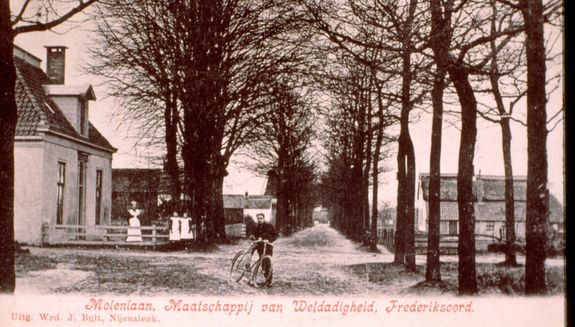
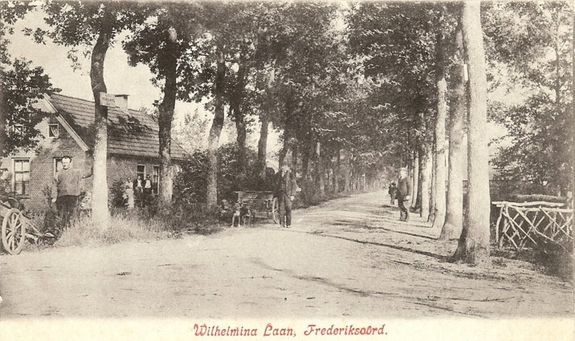
Frederiksoord and Wilhelminaoord are situated in South-West Drenthe. Frederiksoord is the first and original experimental colony. Each colony is different, but everywhere a similar landscape emerges, featuring straight avenues and waterways. The grid-like structure of the avenues remains a defining feature of the area. In both villages, visitors can discover historic buildings, monuments, characteristic avenues and the distinctive grid-like landscape.
Today, the Society of Benevolence and its partners aim to be a breeding ground for new ideas in the fields of construction, housing, care, education, enterprise, health, technology and leisure. A testing ground for social initiatives. It is in keeping with the philosophy of Johannes van den Bosch and his co-founders to give people a (new) chance. His ideas remain as relevant as ever in this unique part of south-west Drenthe.
In the Colonies of Benevolence, you can combine history, culture and nature. You can explore the numerous monuments, visit museums, walk through the characteristic colonial landscape and follow various cycling and walking routes.
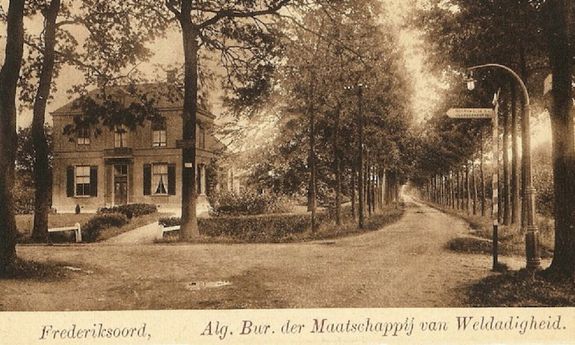
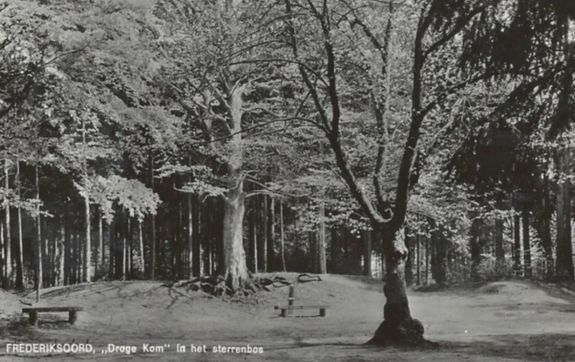
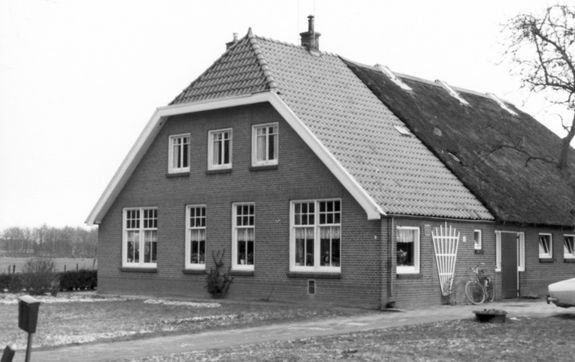
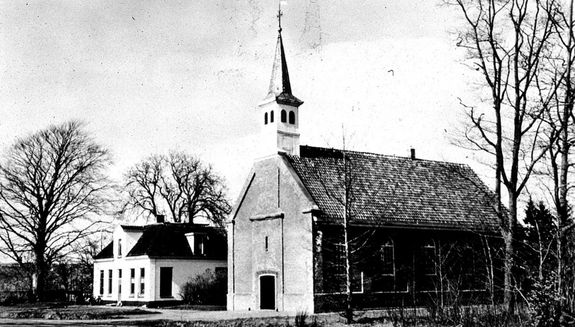
In Frederiksoord, the De Proefkolonie Museum is a good starting point for anyone wishing to learn more about the origins of the Colonies of Benevolence and the lives of the colonists. The original colony cottages and characteristic civil servants’ cottages in Frederiksoord are real eye-catchers. You’ll also see the new ‘Colony Homes 2.0’. With a nod to the past, they stand neatly in a row. On the edge of the Sterrebos in Frederiksoord, Huis Westerbeek stands at the end of the stately drive. This is where Johannes van den Bosch, the first director of the Society of Benevolence, lived with his family. The Society of Benevolence still uses this impressive country house as its office. In Wilhelminaoord, you can still see many traces of life as it was 200 years ago. Here you’ll find the Mandenmakerij, the Koloniekerkje, Rustoord I and Rustoord II, and there’s an outdoor exhibition on display at Ons Dorpshuis.
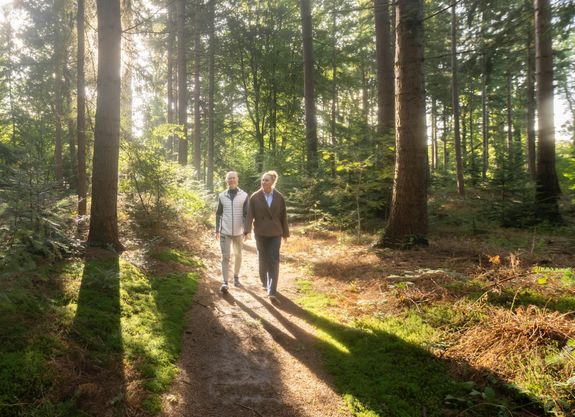
It is recommended that you explore the UNESCO World Heritage Site for yourself, either on foot or by bike. Various walking and cycling routes start from Frederiksoord.
We recommend the Frederiksoord Cycle Tour; this 40-kilometre cycle and discovery route passes through Frederiksoord, Wilhelminaoord and Noordwolde to Boschoord, Doldersum and Zorgvlied. The route takes in various monuments and historic sites. Walkers can choose from options such as the Monument Route through Frederiksoord and Wilhelminaoord, the Sterrebos Route or the 42-kilometre-long Koloniepad between Frederiksoord and Veenhuizen.
There are various walking and cycling routes that allow you to explore the Colonies of Benevolence and the surrounding countryside. From Frederiksoord, for example, you can walk the 11-kilometre-long Monument Route. This route takes you past various monuments of the Society of Benevolence and can be shortened along the way to 3.7, 5, 8 or 9 kilometres. The 3-kilometre-long Sterrebos Route is also a lovely little walk through Frederiksoord and the Sterrebos.
For cyclists, the 39-kilometre ‘Weldadig Rondje’ is a route through Frederiksoord, Wilhelminaoord and Willemsoord. Along the way, you’ll pass colonial cottages, Huis Westerbeek, the colonial church and other monuments. The ‘Fietsrondje Frederiksoord’ is also highly recommended; this 40-kilometre cycle route runs from Frederiksoord, Wilhelminaoord and Noordwolde to Boschoord, Doldersum and Zorgvlied. Culture and nature come together here.
Those wishing to go on a longer walk can follow the 42-kilometre-long Koloniepad between Frederiksoord and Veenhuizen. The route passes through the Drents-Friese Wold National Park, the Doldersummerveld and the Fochteloërveen. There are also many other walking and cycling routes in the various colonies.
Anyone wishing to discover the history of the Colonies of Benevolence will find various historical attractions in Frederiksoord and the surrounding area. The De Proefkolonie Museum is an important starting point. Here you can learn about the origins of the Colonies of Benevolence and the story of the first five settler families who were given the chance to build a new life here. The museum also hosts the exhibition ‘KansArm? Poverty then, Poverty now’. The Colony Cottage and the Colony School also provide an insight into daily life and the facilities of some 200 years ago. You can take a look inside these buildings.
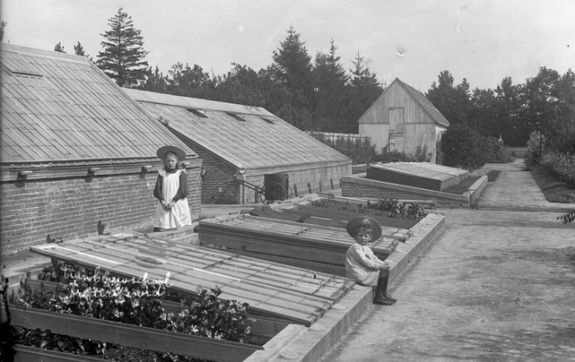
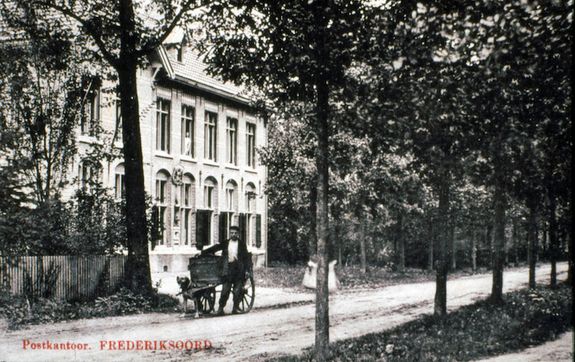
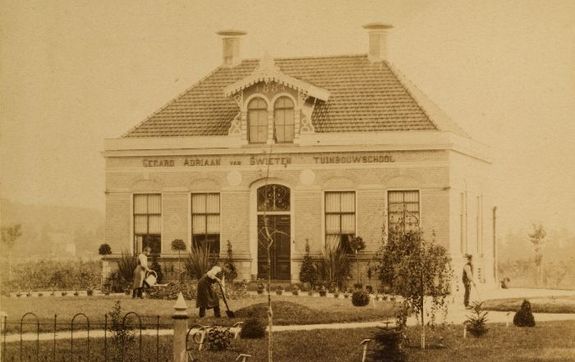
The historic Tramloods in Frederiksoord is another place well worth a visit. Here, attention is paid to the role of transport and logistics within the Colonies of Benevolence. During a walking tour through this unique area, you can see Huis Westerbeek, the G.A. van Swieten Horticultural School, the Forestry School, the Post Office, the civil servants’ cottages and many more sights and monuments.