
National Park Weerribben-Wieden
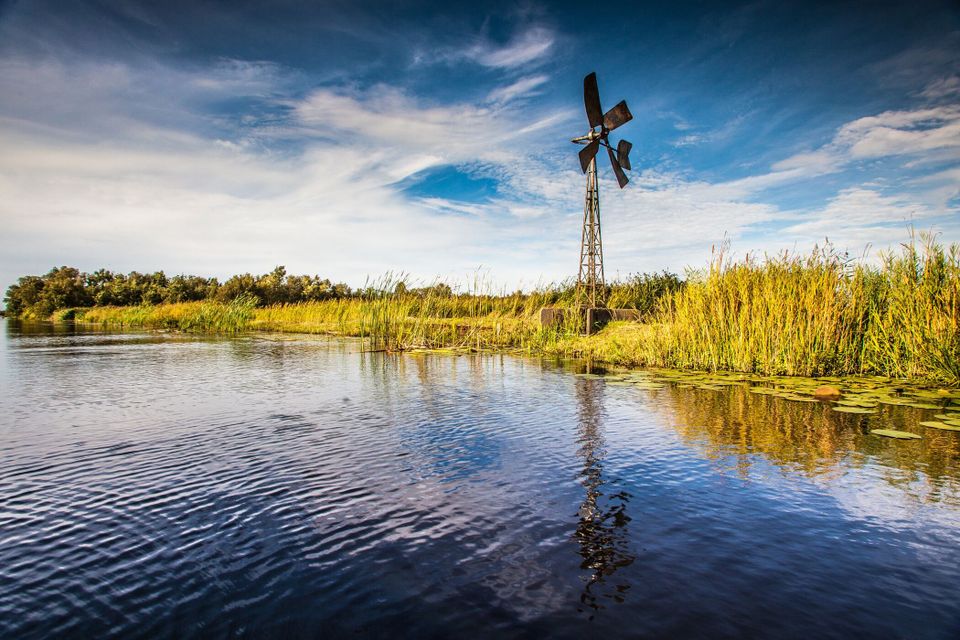
National Park Weerribben-Wieden - The largest low moor in north-west Europe
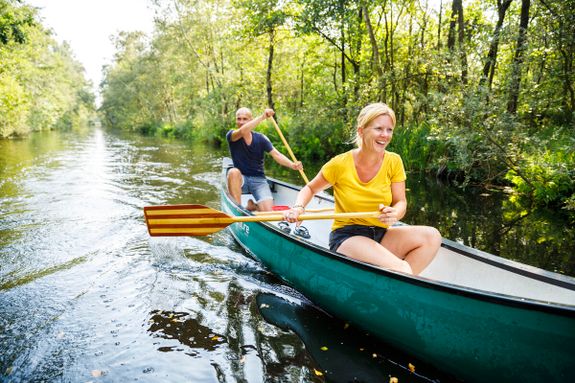
The reeds murmur softly as you glide through the water. A stork lands gently on a floating island. Time seems to stand still for a moment here. Clouds and trees reflect in the mirroring water, while a warbler or a green tadpole catch your eye. If you look closely, you might see a beaver or a moorhen shuffling by.

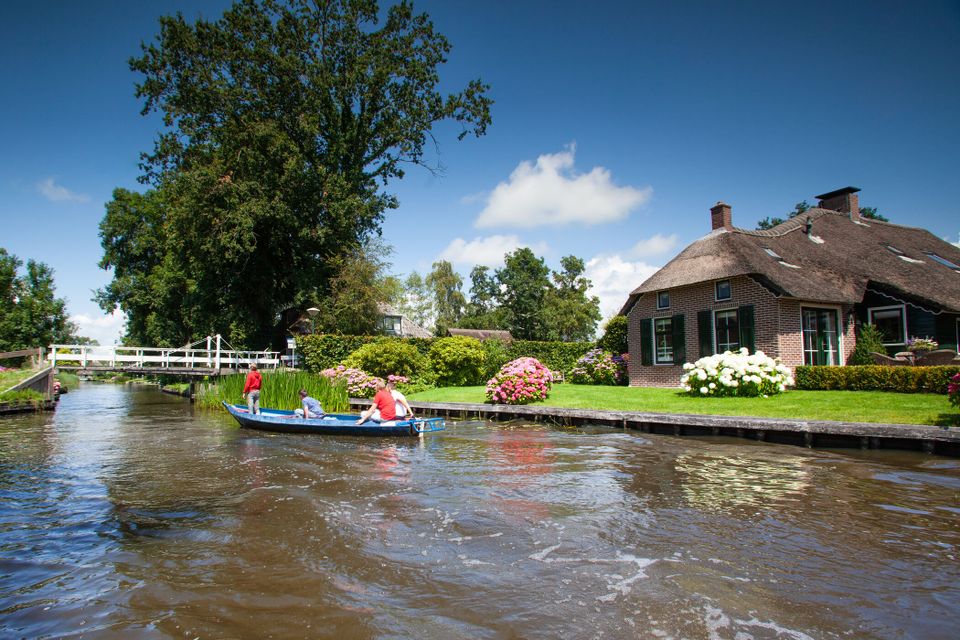
The National Park is enormously diverse: a labyrinth of lakes, ditches and swamp forests, interspersed with reed beds and flowering hay meadows. Cycle, walk or sail past picturesque water villages such as Giethoorn, Belt-Schutsloot and Wanneperveen, or discover the rich history of the former Zuiderzee towns of Blokzijl and Vollenhove.
National Park Weerribben-Wieden, with over 10,000 hectares the largest low moorland swamp in north-western Europe, is a paradise for nature lovers, water sports enthusiasts and explorers.
The Venice of the North
Giethoorn, with its charming waterways and characteristic wooden bridges, is a place where time seems to stand still for a moment. Glide gently across the water in a whisper boat or sloop and discover the village's hidden corners. Behind every bend awaits a new view, a piece of nature or a picturesque cottage that tells the story of the water village.
Stop at a waterside café, listen to the gentle lapping of the water and let yourself be carried away by the current. Giethoorn is bustling, but always at its own quiet pace.
The surrounding canal villages of Belt-Schutsloot and Wanneperveen also invite exploration. Belt-Schutsloot exudes tranquillity and picturesque simplicity, while Wanneperveen offers a green oasis for those who want to experience nature.
Rent a boat, grab a bike or put on your hiking boots and follow the routes that make the region so unique.
Visitor centres
-
Visitor centre De Wieden
View the opening hoursOn the edge of National Park Weerribben-Wieden is Bezoekerscentrum De Wieden, the ideal starting point for a day out in this vast low moor swamp. Here you will find information on hiking, cycling and sailing routes, and a shop full of nature and regional products to take home.
For children, there is OERRR Speelnatuur with water, mud, a barefoot path and hut-building sites. From Sint Jansklooster's water tower, you have a beautiful view over the wieden, reed lands and lakes. The visitor centre also organises boating excursions with foresters and nature guides, who tell fascinating stories about this special marshland.
Visitor centre De Wieden combines experience, nature and adventure for young and old, in the middle of one of the most beautiful wetlands in the Netherlands.
-
Outdoor centre Weerribben
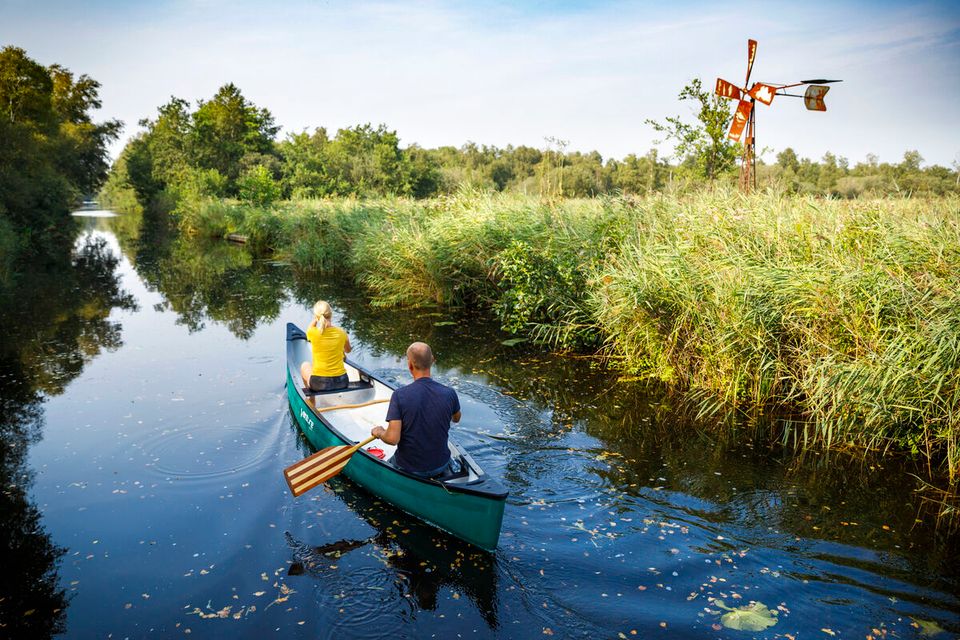
More informationBuitencentrum Weerribben is the starting point to discover National Park Weerribben-Wieden. Board a tour boat, whisper boat or canoe, or explore the watery area on foot or by bike, with reed beds, lakes and quiet paths.
At the outdoor centre, you will find information on routes, excursions with a forester or nature guide, and activities for young and old. There is also a shop with practical items such as binoculars and hiking maps, as well as fun nature gifts and local products.
Currently, the outdoor centre sits temporarily in an adjacent building, as a brand new visitor centre - the European Wetland Centre- is under construction at its original location. This new centre, opening summer 2026, will be an international platform for nature experience, heritage, research and education and will soon be the official gateway to National Park Weerribben-Wieden.
The best routes through the National Park


Weerribben-Wieden National Park on the map
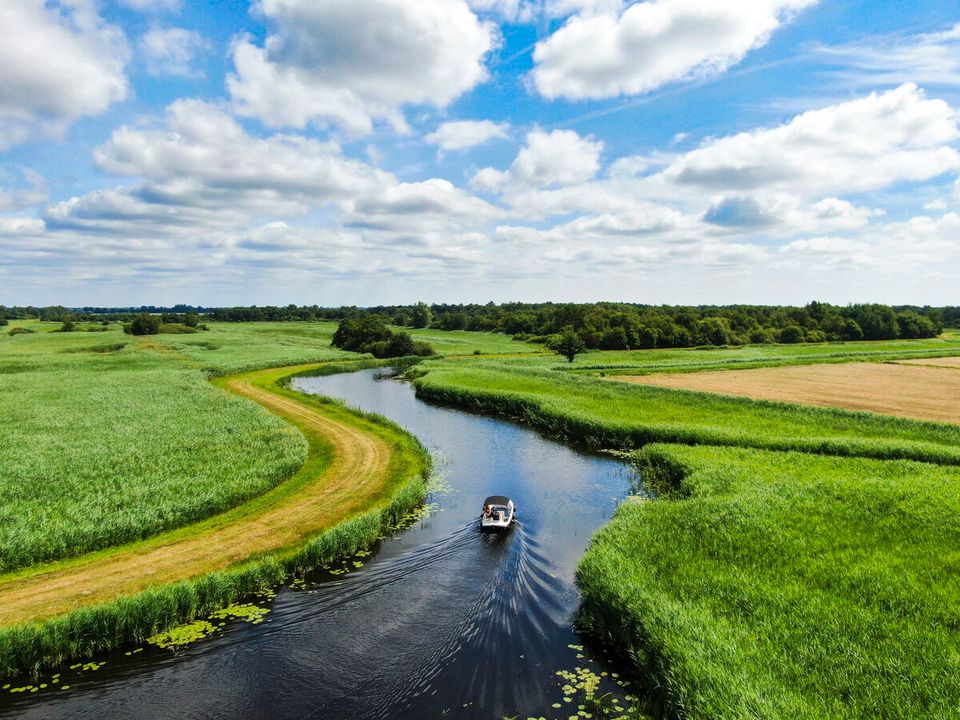
National Park Weerribben-Wieden on the map shows in one overview how the vast nature reserve is structured. The interactive map gives you instant insight into the location of lakes, reed beds and canals and makes it easy to navigate through the area.
Frequently asked questions
In Weerribben-Wieden National Park, you can go boating, cycling and walking through a varied landscape of water, reeds and nature. Boating through Giethoorn and the surrounding water villages is particularly popular, but cycling past lakes and reed beds also gives a good impression of the area. In addition, there are various nature experiences and visitor centres where you can learn more about the landscape.
Well-known and beautiful spots in the area include the water village of Giethoorn, the reed-filled landscape of the Weerribben and the vast lakes around Wanneperveen and Belt-Schutsloot. The old Zuiderzee towns of Blokzijl and Vollenhove also lie on the edge of the area and provide a historical contrast to the natural surroundings.
The area is home to many remarkable animals that are characteristic of the wet lowland moorland landscape. The otter is perhaps the best-known inhabitant, but roe deer, foxes and countless bird species such as the purple heron, reed warbler and kingfisher are also found here. You’re particularly likely to spot wildlife in the reed beds and tranquil waterways.
Weerribben-Wieden National Park is situated in the province of Overijssel, on the edge of South-West Drenthe, between Steenwijk, Giethoorn and Blokzijl. The area forms a large, contiguous lowland peat bog with lakes, canals, reed beds and bog woodlands.
Thanks to its location close to South-West Drenthe, the national park can easily be combined with a visit to the region. It’s just a short journey from the villages of Drenthe, making it a popular destination for a day out in the area.
The area is unique because it is the largest lowland peat bog in north-western Europe. The landscape has largely been shaped by peat extraction and water, creating a unique network of lakes, ditches and reed beds. This makes it one of the most water-rich and dynamic nature reserves in the Netherlands.