
Traces of the Second World War

Traces of the Second World War
The Second World War left its traces in Drenthe. Everyone knows the history of Former Camp Westerbork, fewer people know that a German airfield was built near Havelte in south-west Drenthe, there were labour camps and the resistance played a major role. This history is still visible in the landscape.
Videos - Discover more about the traces of the Second World War in South-West Drenthe
-
Hiding place Diever
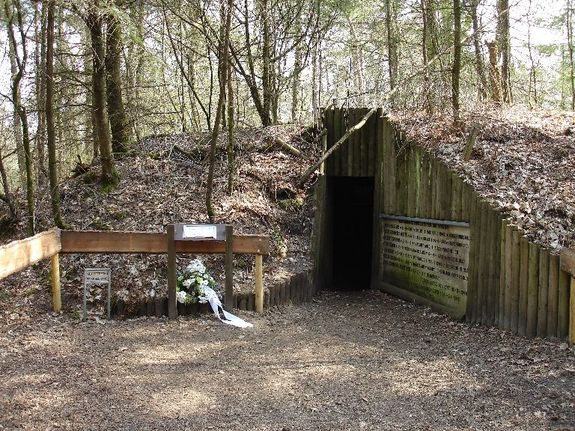
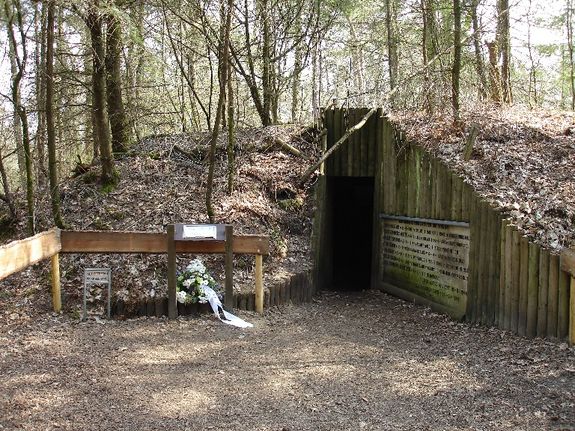
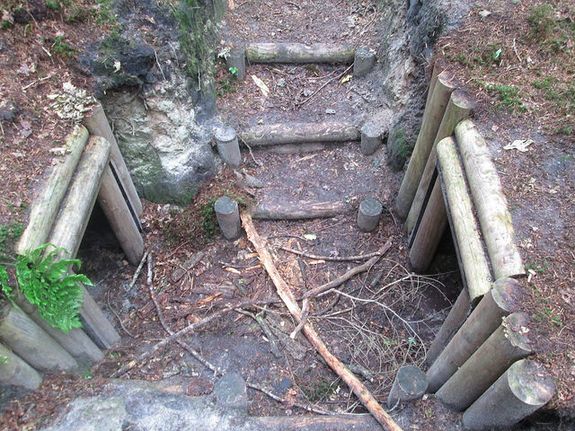
The hiding den in the woods near Diever was an underground hideout in World War II, mainly used by resistance fighters and Allied pilots to hide from the Germans. The den was also called The Wigwam. Watch the video made in collaboration with the Historical Society. A hidden story of a hidden hiding den in the forests of south-west Drenthe.
-
German airfield Havelte
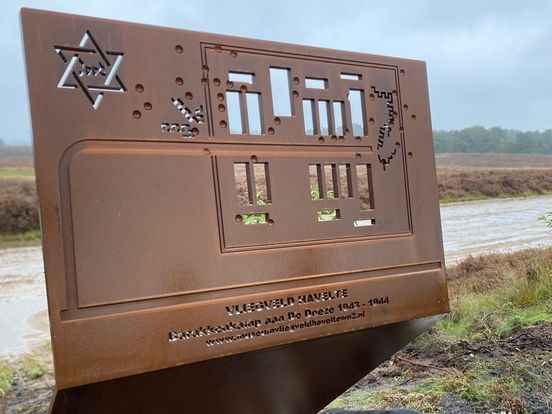
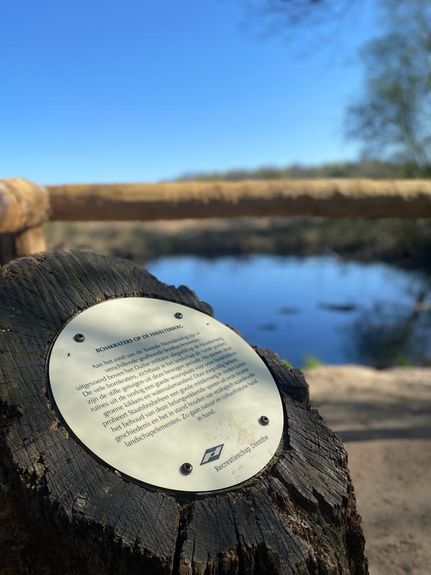
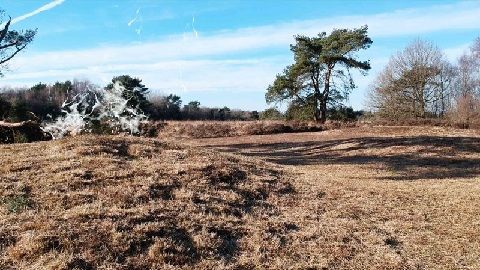
Go walking or cycling on the Holtingerveld and see for yourself the traces that the Ice Age and Second World War left behind in this nature reserve. Few know that the Germans built or rather had an airfield constructed here by labour camp workers during the war. Bomb craters, former hangars, a runway and roller runway, it is all still visible. Jelle Kootstra has delved into the impressive history and can now call himself a specialist. Hear his story in this video.
-
Hiding village Nieuwlande
Nieuwlande, the village that went silent. During World War II, residents of Nieuwlande and its surroundings provided massive shelter to Jews and resistance fighters. For this, the village received the Yad Vashem award. Johannes Post, one of the well-known resistance leaders of the time, was a key lynchpin of the organisation. Watch this video and discover this impressive story.
-
Jewish past Meppel
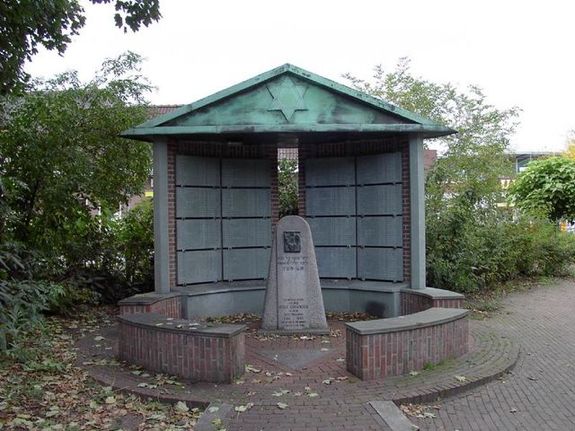
Southwest Drenthe has many hidden stories. The Jewish past in Meppel is one such hidden story. City guide Jan can tell you more about it. Listen to his story!
Hiding Museum De Duikelaar - Nieuwlande
Hiding Museum de Duikelaar aims to collect, preserve and pass on the history of Nieuwlande in a material and immaterial sense. The history of Nieuwlande in the '40-'45s is worth passing on to the younger generation, not only as a tribute to well-known resistance heroes, such as Johannes Post and Arnold Douwes, but also to the many inhabitants who silently risked their lives by taking in people in hiding. The museum gives a picture of the war and its dilemmas.
Many (Jewish) people in hiding found a safe haven here. For this, the village and its surroundings were awarded the Israeli Yad Vashem award on 11 April 1985. An honour given to only two places in the world.
The village that remained silent has much to tell.
More information

Interesting & impressive locations to visit
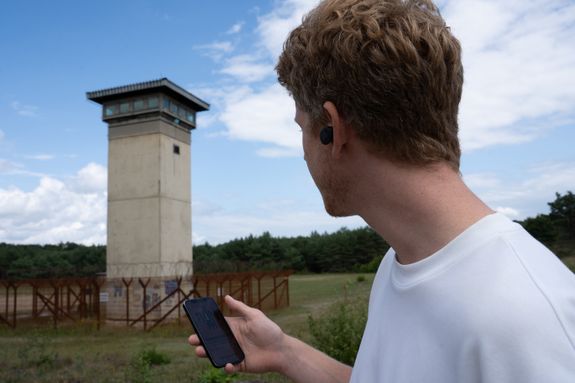
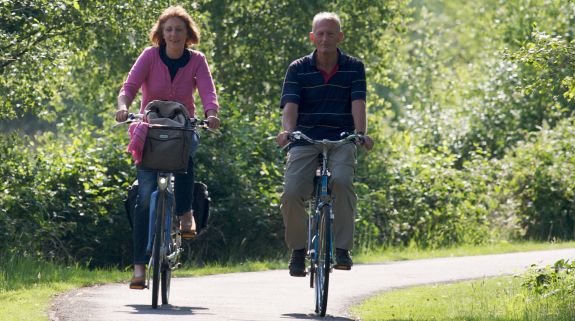
Featured cycling and hiking routes - Discover WWII traces on foot or by bike
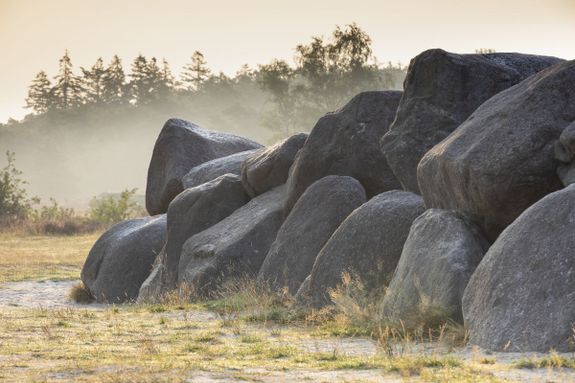
Featured events and activities - Discover history
-
Guided walk | Hiding Museum
Guided walk | Hiding Museum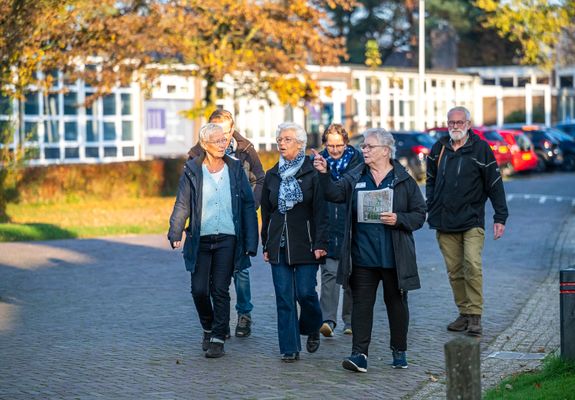
14 October, 17 October and 4 more days
In Newlande -
NATURAL IJS and OORLOG walk Holtingerveld
NATURAL IJS and OORLOG walk Holtingerveld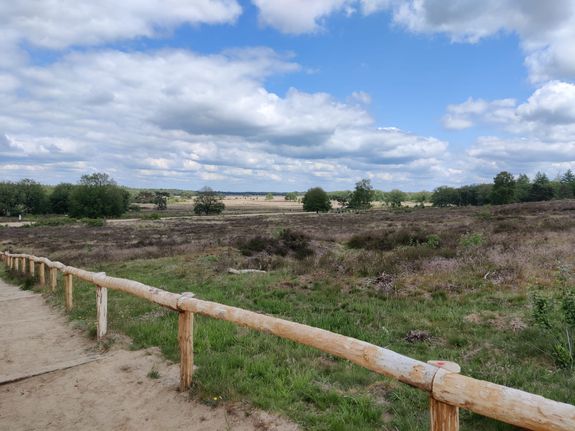
15 October, 19 November
In Havelte
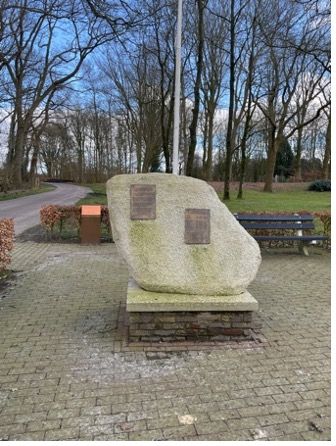
War monuments - A place to reflect on the past
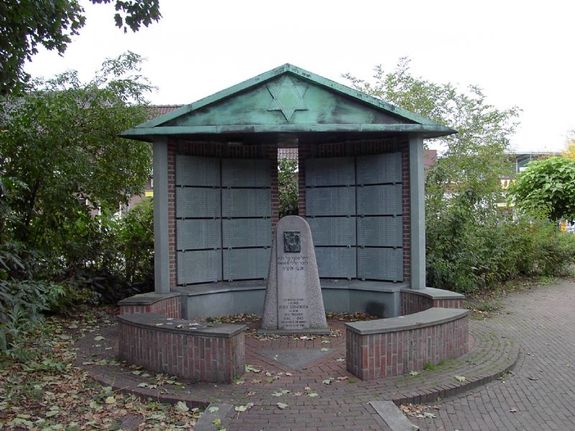
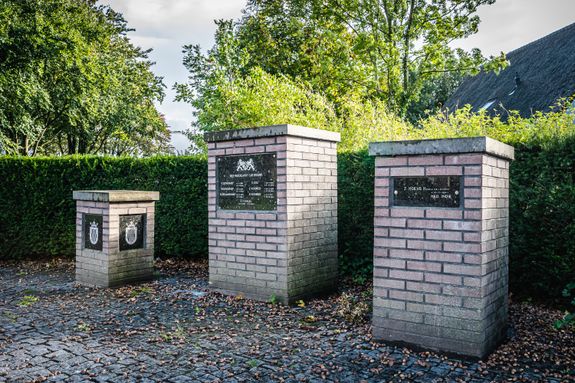
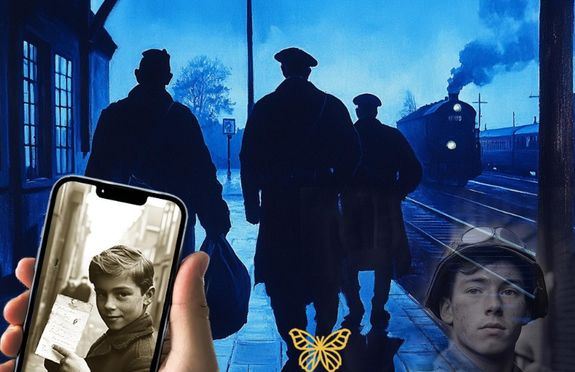
Videos - Watch the videos accompanying the World War II Traces cycling route here
-
Havelterberg
Watch video

-
Military training area + nuclear weapons storage facility
Watch video

-
Watch video

-
Watch video

Frequently asked questions
During the Second World War, Drenthe played an important role as an area where the resistance, people in hiding and military occupation converged. The province was occupied by the Germans and experienced profound events that are still visible in the landscape and in villages and towns.
Several labour camps were set up in Drenthe where forced labour was carried out, including for the construction of military infrastructure. The Germans also built a military airfield near Havelte in the north of South-West Drenthe; remnants of this, such as bomb craters and old structures, are still visible today in the Holtingerveld.
At the same time, Drenthe became an important area for the resistance and for those in hiding. Many Jewish people and resistance fighters went into hiding on farms and in remote areas. Nieuwlande, in particular, became known for the fact that its residents helped those in hiding on a massive scale, which later earned the village international recognition.
Secret hideouts were used in the woods near Diever, such as the ‘De Wigwam’ hideout. These locations demonstrated just how dangerous and well-organised the network of people in hiding was in the region.
Alongside the underground resistance movement, the persecution of Jewish residents also played a major role in the wartime history of places such as Meppel, where the Jewish community was largely deported. Traces of this past can still be found in the town and its historic street layout.
Taken together, these events show that during the Second World War, Drenthe was not only an occupied territory, but also a province where resistance, survival and remembrance have had a lasting impact.
In Drenthe, you can visit several sites that commemorate the Second World War. Well-known sites include Camp Westerbork, the former German airfield at Holtingerveld near Havelte, the De Duikelaar Hideout Museum in Nieuwlande and the De Wigwam hideout near Diever. Together, these sites illustrate the breadth of the province’s wartime history: from persecution and deportation to resistance and going into hiding.
In South-West Drenthe, many traces are still particularly visible in the landscape itself. On the Holtingerveld near Havelte, you can still see the remains of the former German airfield, such as sections of the runway, bomb craters and old military structures. The same area also housed labour camps and barracks, including Barak Linde, which are linked to the construction of military infrastructure during the war.
In Nieuwlande, too, you’ll find important reminders of the history of the resistance, for which the village became famous due to the massive support it gave to Jewish people in hiding. In Meppel, the Jewish past is still visible in the town centre, where the old street layout and cobbled alleys lead you past places that commemorate the Jewish community and its history during the war.
Together, these places offer a comprehensive picture of the Second World War in Drenthe, allowing you not only to learn about the history but also to see its traces in the landscape and the villages themselves.
During the Second World War, people in hiding were scattered throughout Drenthe. Nieuwlande in particular became well known because many residents took people in hiding into their homes. A hideout was also used as a temporary shelter in the vicinity of the village.
In addition, remote locations in nature reserves were used as hiding places, such as the ‘De Wigwam’ hideout near Diever.
Yes, in South-West Drenthe you’ll findthe De Duikelaar Museum of People in Hiding in Nieuwlande. This museum tells the story of people in hiding, resistance groups and daily life in the region during the Second World War.
The museum is best known because Nieuwlande played a special role during the war. Many residents provided shelter to Jewish people in hiding and members of the Resistance, earning the village international recognition for its history of resistance. This history is not only on display in the museum, but is also closely linked to the surrounding area itself.
Near Nieuwlande lies the Nieuwlande hideout, a former refuge where, amongst others, resistance leader Johannes Post stayed. People in hiding were often only concealed here temporarily, until a safer hiding place could be found.
For a long time, the hideout was merely a simple shelter in the countryside, but it was later restored to its former glory. Thanks to the efforts of, amongst others, the Royal Netherlands Army’s 43rd Mechanised Brigade, the hideout has been renovated and made visible once more as a memorial to the region’s wartime history.
Yes, in South-West Drenthe you can follow a special themed cycle route past sites from the Second World War. The best-known route is the ‘Traces of the Second World War’ experience route, a route of approximately 59 kilometres that takes you through Diever, Vledder and the Holtingerveld near Havelte, amongst other places.
On this cycle route, you’ll pass places where the war is still visible in the landscape, such as the former German airfield at Holtingerveld, forced labour camp sites, locations where people went into hiding, and monuments commemorating the resistance.
What makes this route special is that stories are narrated along the way by Diewertje Blok, bringing history to life at key stopping points along the route.
In addition to this main route, there are also shorter alternatives and local routes around Havelte and the Holtingerveld, such as the Holtingerveld War Route, where you’ll come across bomb craters, old runways and the area around the former airfield, amongst other things.
The routes are well signposted and can be followed either by bike or, in part, on foot. Along the way, you’ll encounter ever-changing landscapes: from woods and heathland to villages with stories of people in hiding and the resistance.
Meppel’s Jewish history dates back to the 17th and 18th centuries, when a small but significant Jewish community settled here. This community played a part in town life through its shops, crafts and its own religious and social network.
During the Second World War, this community was almost entirely deported and murdered in concentration and extermination camps. As a result, a significant part of Jewish life disappeared from the town, but its history is still visible and palpable in Meppel.
In Meppel town centre, there are still places that bear witness to this past. Think of the old street layout with cobbled streets and alleyways in and around the centre, where Jewish residents once lived and worked. There are also memorial sites and traces that serve as a reminder of houses and families that are no longer there.
In Meppel, you can experience the history of the Second World War in an interactive way with the Meppel Freedom Route. This route takes you past places in the town where important events took place during the war, such as resistance activities and hiding places.
For children, there is a special GPS route that allows them to become part of the resistance story of the Knokploeg Meppel. Using their phones, they receive tasks and missions, such as helping people in hiding and passing on secret messages. In this way, they learn in a playful way how the resistance in Meppel operated during the war.
For adults, there is an experiential route through the town that takes you past alleyways, squares and buildings where real war stories unfolded. These include places where resistance groups met or where people in hiding were helped.
The route starts at Meppel railway station and is designed as an accessible way to discover the town’s history during the Second World War. All you need is a smartphone to follow the stories on location.