
National parks in South-West Drenthe
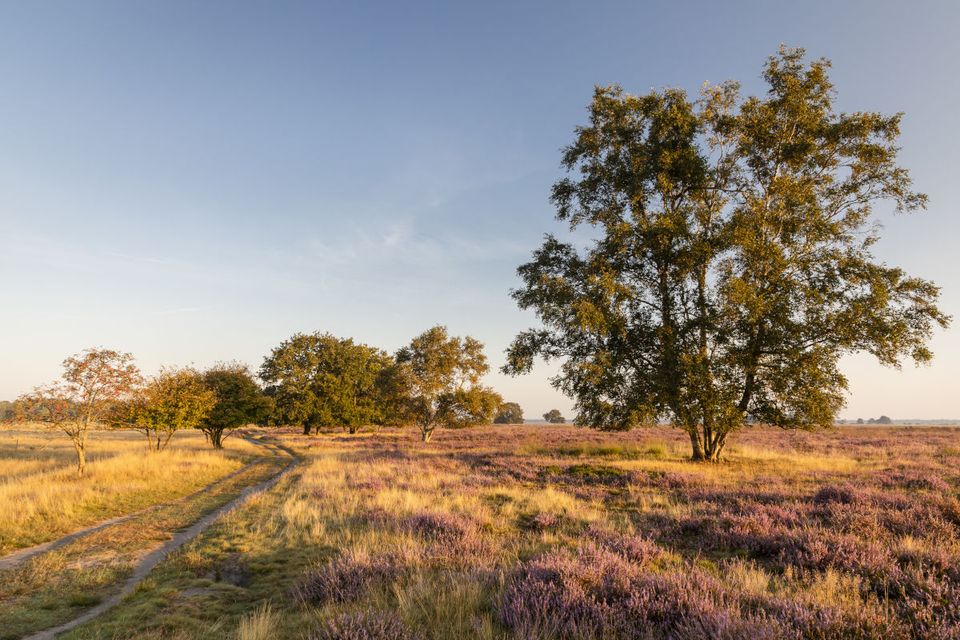
National splendour - A triangle of National Parks
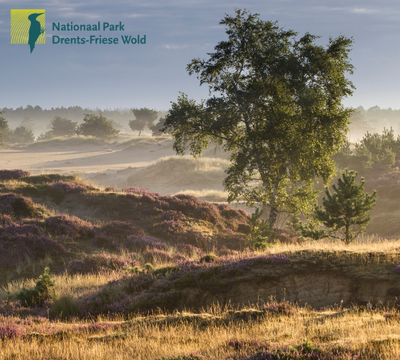
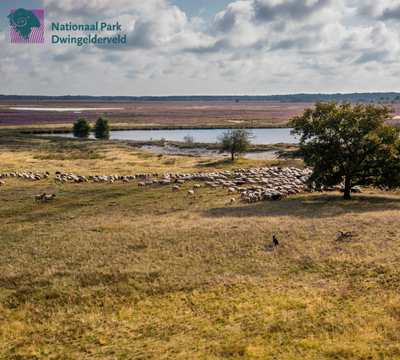
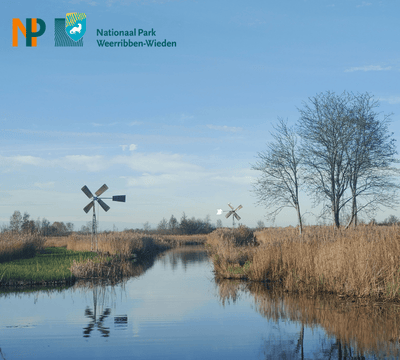
Southwest Drenthe is situated in the middle of three completely different National Parks. Walk through the Drents-Friese Wold with its vast forests and quiet fens. Explore the Dwingelderveld, Europe's largest wet heathland area. Or go on an adventure in the Weerribben-Wieden: a unique maze of lakes, pools and ditches.
3 National Parks - in South-West Drenthe
The most beautiful routes - Throughout the (National) Parks!
-
Hiking
Hiking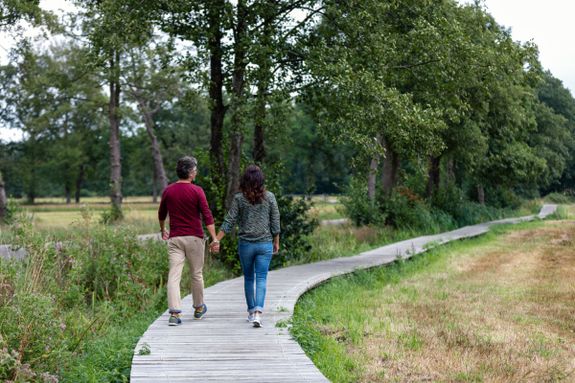
Put on your walking shoes and experience nature at your own pace. In South-West Drenthe, you walk along winding forest paths, along shifting sands and through quiet moorlands where sometimes you only hear the rustling of the wind. This is where you really get away from it all.
-
Cycling
Cycling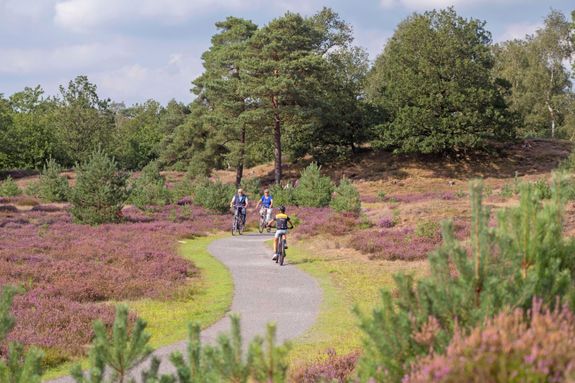
On bikes! With over 2,100 kilometres of cycle paths, you can wander endlessly through nature. Drenthe is not the cycling province of the Netherlands for nothing. In South-West Drenthe, you cycle right through national parks, across heathlands, past fens and through vast forests, always in the middle of the landscape.
-
Mountain biking
Mountain biking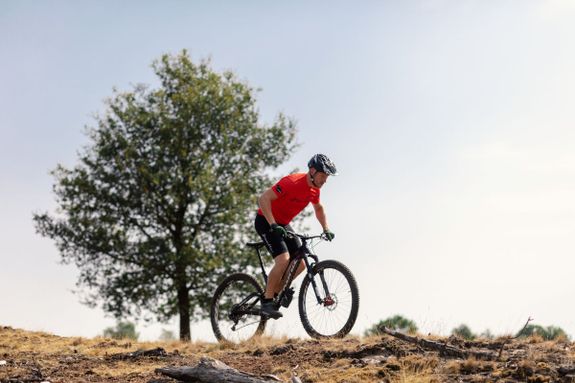
Fancy mud on your calves and sharp turns between trees? In South-West Drenthe, you will find challenging MTB routes that send you straight through forests, across heathland and along drifting sand. Technical sections, picking up speed on straight tracks and continuously playing with the landscape under your tyres.
-
Horse riding
Horse riding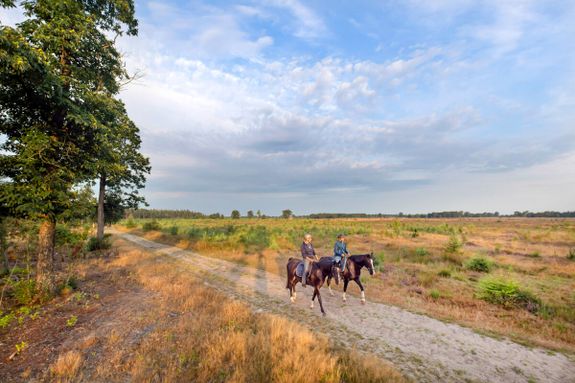
From the back of a horse, you see South-West Drenthe on a completely different level. Through forests, across heathland and along fens, the landscape suddenly seems endless. Quiet galloping or relaxed walking, on a horse you discover nature in a special way.
Even more nature - From primeval landscape to stream valley
-
Holtingerveld
Holtingerveld
An area "kneaded by ice and war" with the Havelterberg, groups of burial mounds and magnificent dolmens as highlights. In addition, you can still find various traces of the Second World War in the area.
More information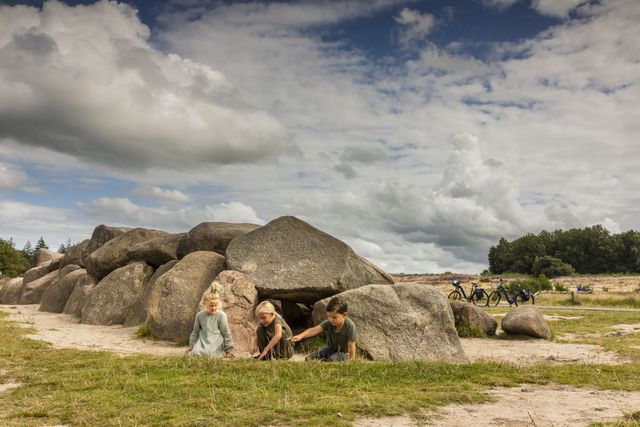
-
The Reest valley
The Reest valley
A centuries-old and unspoilt stream valley where woodland, heathland, hay meadows and old farmhouses combine to form a unique landscape. Winding through it all is the Reest: one of the few Dutch streams that still follows its natural course.
More about the Reestdal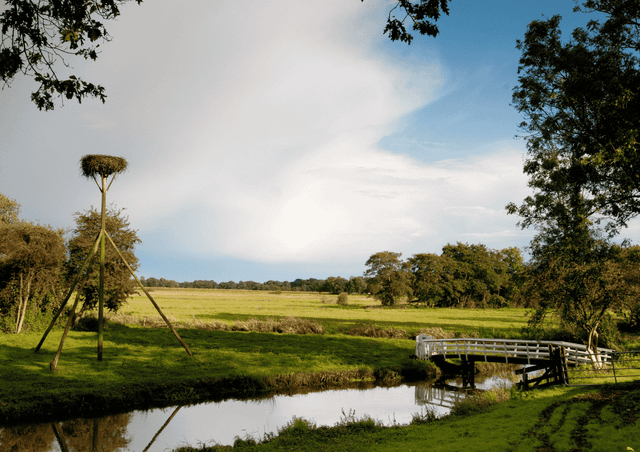
-
Forestry Ruinen
Forestry Ruinen
A hidden gem where woods, lakes and sand dunes combine to form a varied cycling and walking area. At the Gijsselter Plassen and the Echtenerzand, you can still experience the atmosphere of the wild Drenthe of yesteryear.
Discover the area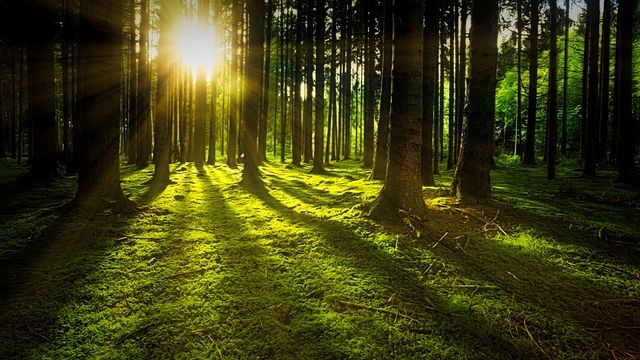
-
Uffelter Binnenveld
Uffelter Binnenveld
An area where heathland, grasslands and fens alternate. During a walk through the Uffelter Binnenveld, there’s a good chance you’ll come across Scottish Highland cattle, which roam freely here and help to preserve the landscape.
Discover the area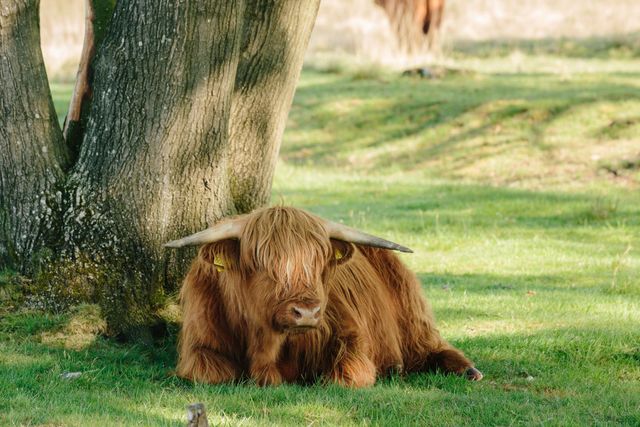
-
Doldersummerveld
Doldersummerveld
The Doldersummerveld is a vast area of heathland in the Drents-Friese Wold. Walk through the heathland, past ponds and woods, and enjoy a magnificent view of the countryside from the observation tower.
More information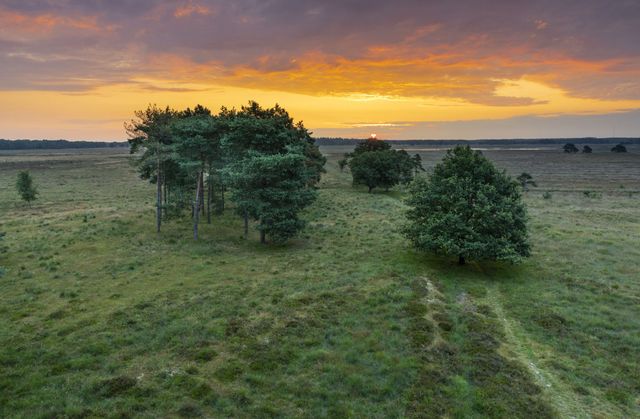
Verborgen Verhalen Zuidwest-Drenthe - See all videos
-
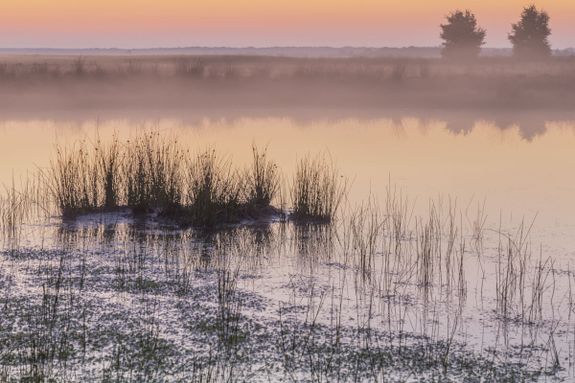
Golden triangle National Parks
-
National Park Dwingelderveld
-
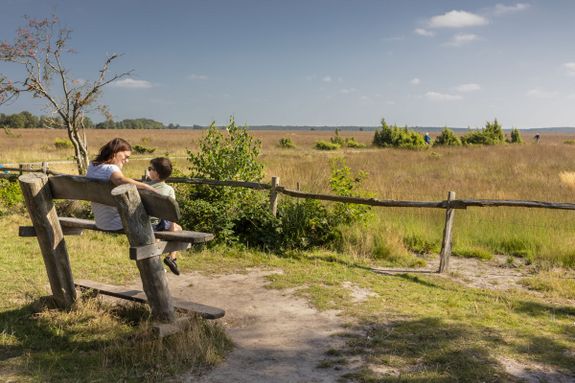
National Park Drents- Friese Wold
-
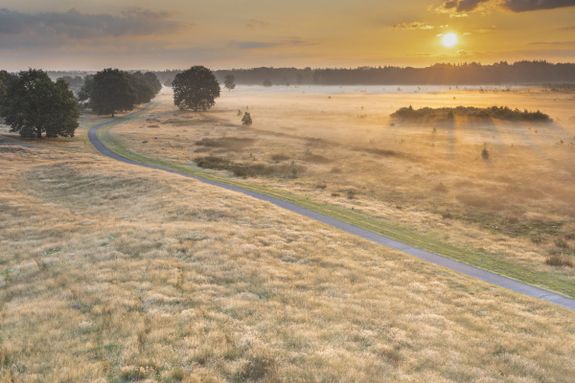
National Park Weerribben Wieden
Watch towers
Atop a lookout tower in south-west Drenthe, you can really see how vast this province is. From heathland to quiet fens, from meandering streams to primeval forests: here you experience Drenthe as it was meant to be.
Panting for a moment on the stairs, but at the top a panorama awaits that you won't find anywhere else. Take the time to stop, enjoy the view and the silence. Look around: you might spot a roe deer in the distance, hear the rustling of leaves or watch the sun slowly colour the landscape.
Atop the tower, Drenthe suddenly feels even bigger, quieter and more beautiful. A moment to remember, photograph or just do nothing for a while. Because sometimes getting back to your primal is just standing on top of a watchtower.
Discover all watchtowers in South-West Drenthe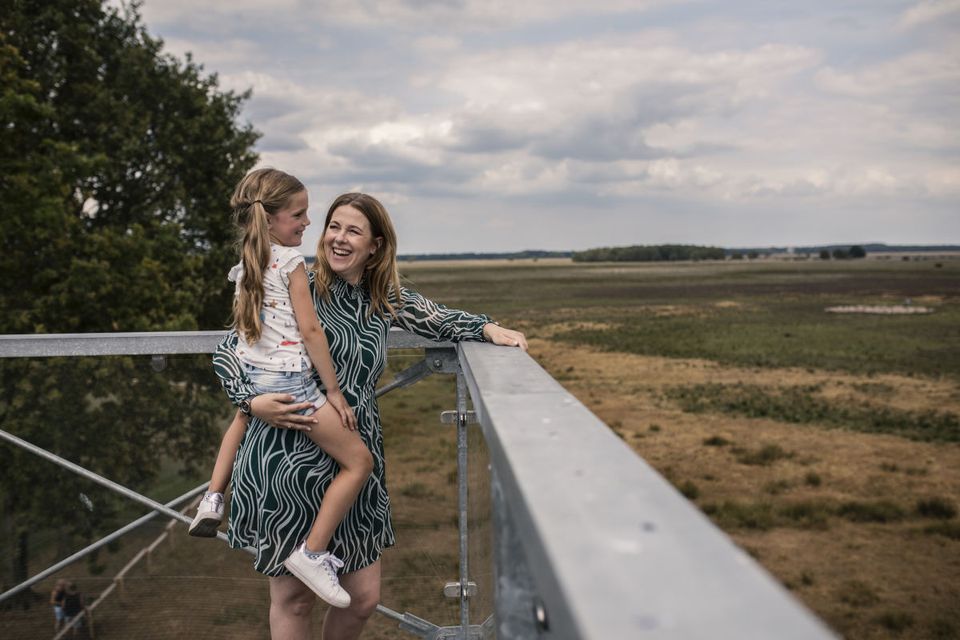
See all natural areas on the map
During your stay in South-West Drenthe, nature is always nearby. On the interactive map you can see in one overview all the nature areas in the region and where they are located. So you can easily orientate yourself and discover which area you want to visit, whether it is a vast forest, heathland or a quiet fens area.
Frequently asked questions
Drenthe has three national parks: National Park Drentsche Aa, National Park Dwingelderveld and National Park Drents-Friese Wold. Two of these are located in south-west Drenthe: the Dwingelderveld and the Drents-Friese Wold.
Moreover, on the edge of South-West Drenthe is National Park Weerribben-Wieden, a wetland nature reserve in Overijssel that is easily accessible from the region.
Together, these areas form a kind of triangle of national parks around South-West Drenthe, each with a very distinct landscape: from heathland and forests to stream valleys and marshlands.
Yes, National Park Weerribben-Wieden lies just across the provincial border in Overijssel and is easily accessible by car and bicycle from South-West Drenthe. This national park has a very different character from the nature reserves of Drenthe and is known for its water-rich landscape with lakes, ditches, reed beds and sailing routes. Precisely that contrast with the heath and forest areas in Drenthe makes it a popular addition to a visit to South-West Drenthe.
Yes, the national parks in Drenthe are freely accessible to visitors. You can walk and cycle there without an entrance fee. A fee may apply for some parking places, visitor centres or organised activities, but the nature reserve itself is always open to explore.
No, the national parks in and around South-West Drenthe, such as Nationaal Park Dwingelderveld and Nationaal Park Drents-Friese Wold, are freely accessible to visitors during the day. In many parts of nature, however, you are not allowed to enter the area after sunset.
This is meant to give nature and animals peace of mind. Many animal species are active precisely in the evening and at night, and by sparing the area as much as possible then, they are given space to hunt and recover without outside interference.
In the national parks in and around South-West Drenthe, such as National Park Dwingelderveld and National Park Drents-Friese Wold, wild camping is not allowed. So you cannot just set up your tent in nature.
This is due to the protection of nature and tranquillity for animals and plants. Keeping the area free of disturbance at night as much as possible keeps the landscape in good condition and gives animals the space they need.
Still want to spend the night close to nature? In the vicinity of the national parks, you will find plenty of campsites, nature campsites, holiday parks and small-scale accommodation. From these places, you can often be in the woods or on the heath within a few minutes, so you still retain the feeling of staying in the middle of nature.
The national parks are ideal for walking and cycling. There are many marked routes that lead you through woods, heaths, fens and sand drifts. Along the way, you regularly come across watchtowers, benches and starting points of routes. There are also visitor centres and excursions where you can learn more about nature and the landscape.
Yes, the national parks in and around South-West Drenthe are certainly suitable for hiking. There is an extensive network of walking routes through forests, heathlands, sand drifts and along fens and streams. The routes range from short detours to longer hikes, so there is a suitable route for every level and every visitor. Also check out the walking page for inspiration.
Yes, cycling is also a popular way to discover the national parks. On well-maintained cycle paths and junction routes, you cycle through varied landscapes and past villages and nature reserves. The routes are suitable for both short cycling trips and longer day trips where you can connect several areas. Check out the cycling page for inspiration for your next cycling trip.