Colony Church
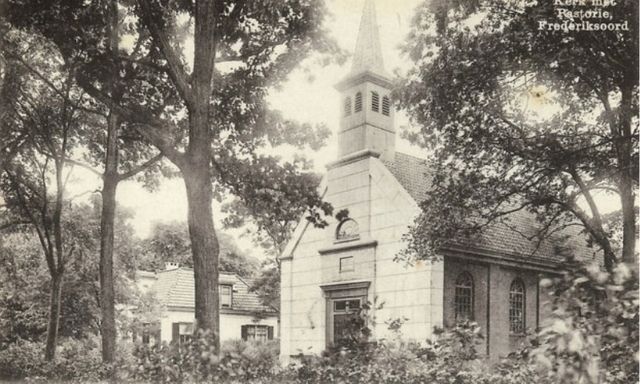
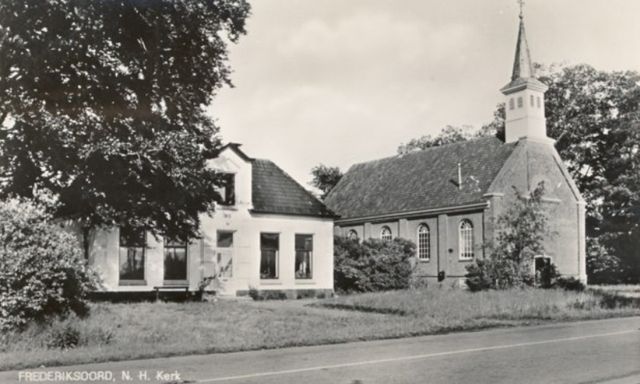
From 1818, church duty existed for colony residents. With this, the Society of Weldadigheid tried to contribute to raising the moral level of the colonists. In 1851, the first stone was laid for the Protestant church of the Frederikoord colony. Until June 2009, this church was used by the Reformed Congregation. The organ, built by Van der Molen, is also a national monument.
All faiths were welcome in the Colony. Most were reformed. On Sunday mornings, your ward master stood at the entrance to check if you went to church. If not, he would come on Monday morning and you risked a fine of up to 2 pennies. Until 1851, the reformed colonists attended church in Vledder.
Catholics and Jews also...
From 1818, church duty existed for colony residents. With this, the Society of Weldadigheid tried to contribute to raising the moral level of the colonists. In 1851, the first stone was laid for the Protestant church of the Frederikoord colony. Until June 2009, this church was used by the Reformed Congregation. The organ, built by Van der Molen, is also a national monument.
All faiths were welcome in the Colony. Most were reformed. On Sunday mornings, your ward master stood at the entrance to check if you went to church. If not, he would come on Monday morning and you risked a fine of up to 2 pennies. Until 1851, the reformed colonists attended church in Vledder.
Catholics and Jews were also welcome. Catholics were the first to have their own church a little further down Queen Wilhelmina Avenue. Near Willemsoord, on the Pol, a Jewish community lived until the 1980s with its own classroom, bathhouse, cemetery and synagogue. Only the cemetery remains today.