Mill De Vlijt
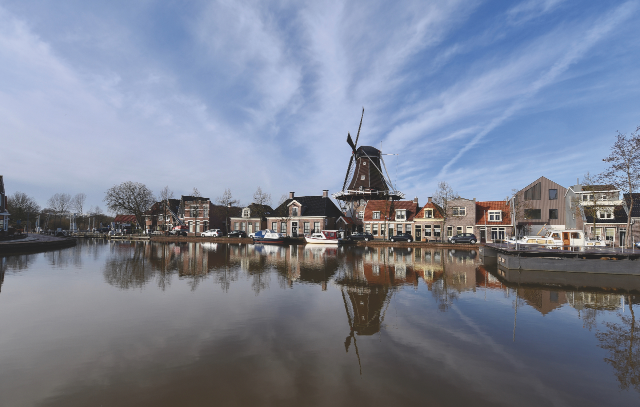
By the moat, you can see it from afar: windmill De Vlijt. A real eye-catcher rising above the houses - and a popular spot for photos, especially from across the water.
The history of this mill begins in 1858. On 22 May of that year, the original mill was destroyed by fire. It was then a peel and run mill, where, among other things, groats were peeled. But that activity was already on the wane.
Rebuilding began the same year. The new mill was given a different function: a bark and corn mill. Here, grain was ground and bark processed, for example for tanning leather.
A mill of today
The mill you see today is a reconstruction from 2002. This gave Meppel another second windmill alongside windmill De Weert. Together, the...
By the moat, you can see it from afar: windmill De Vlijt. A real eye-catcher rising above the houses - and a popular spot for photos, especially from across the water.
The history of this mill begins in 1858. On 22 May of that year, the original mill was destroyed by fire. It was then a peel and run mill, where, among other things, groats were peeled. But that activity was already on the wane.
Rebuilding began the same year. The new mill was given a different function: a bark and corn mill. Here, grain was ground and bark processed, for example for tanning leather.
A mill of today
The mill you see today is a reconstruction from 2002. This gave Meppel another second windmill alongside windmill De Weert. Together, they give the town back some of its historical face.
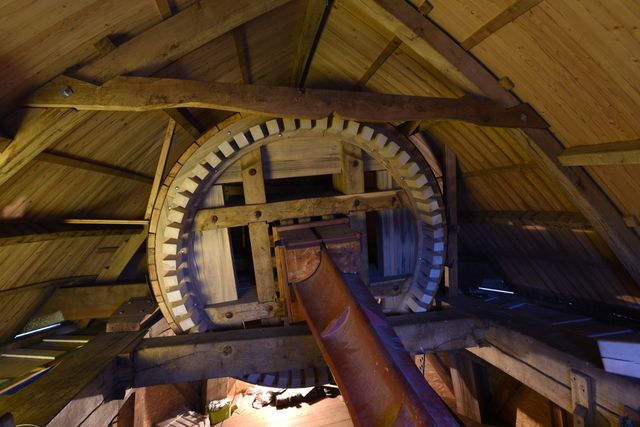
De Vlijt still turns regularly, giving a good look at how a mill works. There have also been plans to turn this into a mustard mill - a nice nod to old crafts.
Wind, water and craftsmanship
Its location on the canal is no coincidence. In the past, raw materials and products were mainly transported by water.
Standing here, you see more than just a mill.
You see a place where history has been brought back to life - with spinning sails, water all around you and a view that is typically Meppel.