
Diever Scootmobile Ommetje Driekoningenavond
1 hour 30 minutes
(6.2 km)
The start of Epiphany Night is on Diever's Brink at walking junction 45. The route is 6 km. The route can also be started from the terrace/back of the JT Seinenhof.
Parking, public transport and cycling. Parking is available next to the former Town Hall (Kerkpad 1), in the car park near Supermarket Plus or in the car park opposite the TIP/Brasserie Puur on Bosweg.
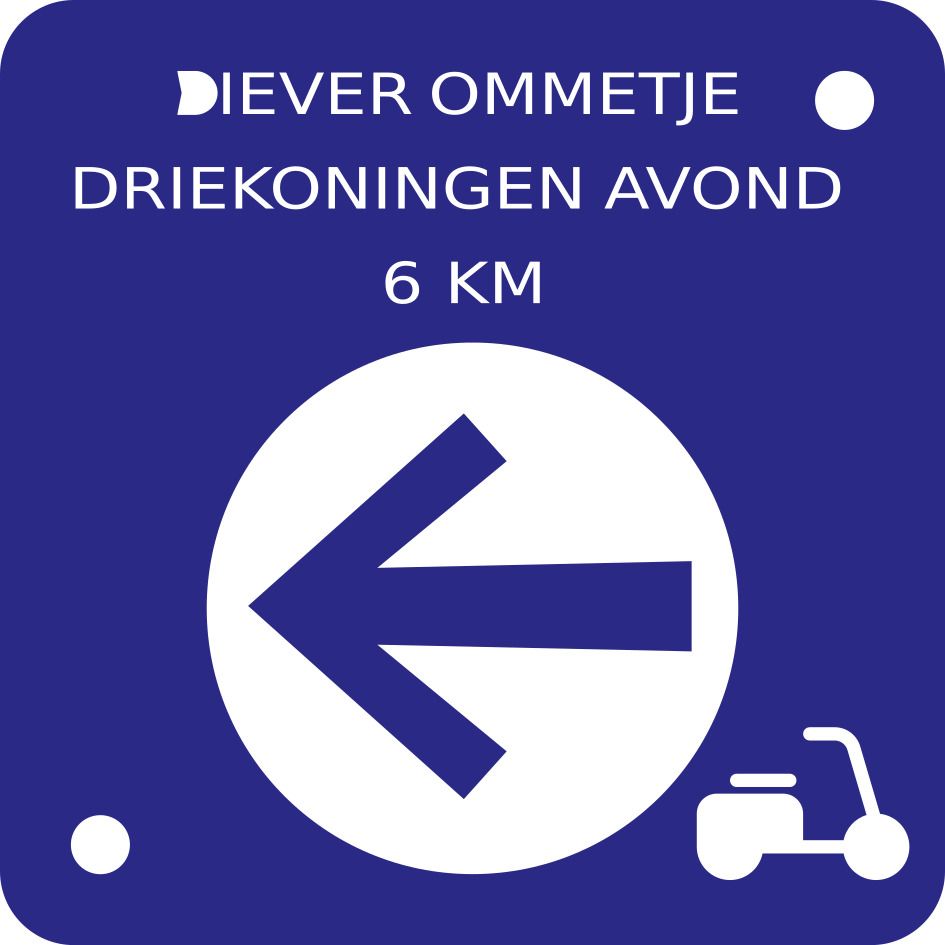
Signposting: follow the dark blue signs with wheelchair stencil with the name Epiphany Night. The route is single-sided signposted.
Wheelchairs / Prams: this route is specially made for mobility scooters, but is also suitable for children's / prams.
Dogs: allowed, if leashed.
Catering facilities: on the Brink and in the village.
-
route sign
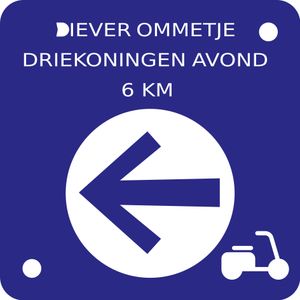
route sign
You are going to see this
-
45
-
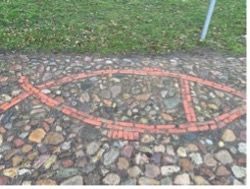
Boulder paving with ancient Chr. symbols
Boulder paving with ancient Chr. symbols
Boulder paving with ancient Chr. symbols, around the Pancratius church. Layed by Abe Brouwer.
-
-
-
-
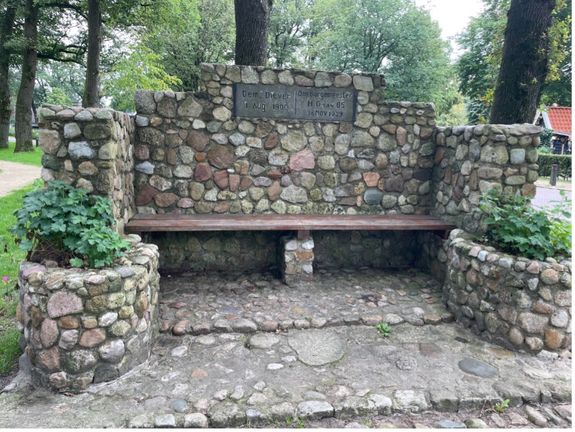
Van Os bank
Van Os bank
Van Os bench from 1939. Made on the occasion of the departure of mayor Hendrik Gerard Van Os (1900-1939 mayor. of Diever)
-
47
-
19
-
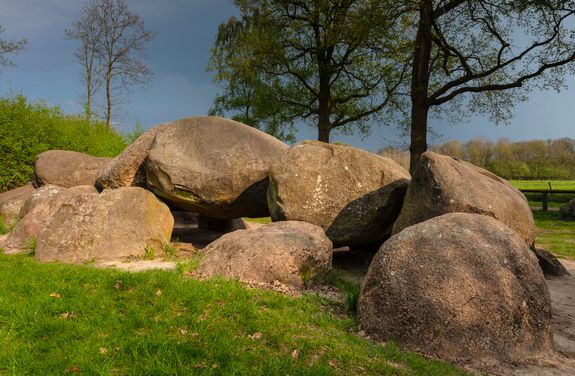
Hunebed D52
Hunebed D52
Diever possesses a medium-sized hunebed that has undergone much restoration. It now lies almost complete and well cared for again.
-
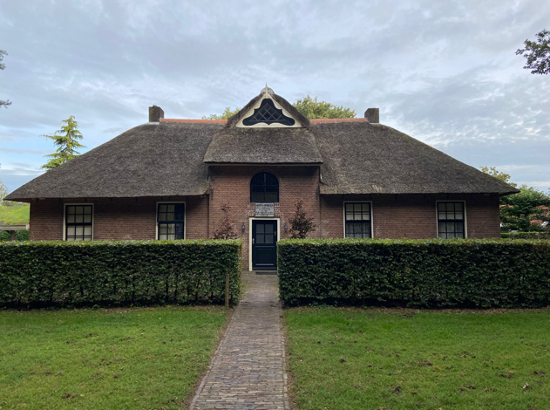
Former Arms Workhouse.
Former Arms Workhouse.
Rijksmonument, former Armenwerkhuis (now Landhotel Diever) Landhotel Diever has a long history. The original Armenwerkhuis, as part of the church, was run after World War II as a stables cum inn under the name 't Ruterhuus.
-
20
-
27
-
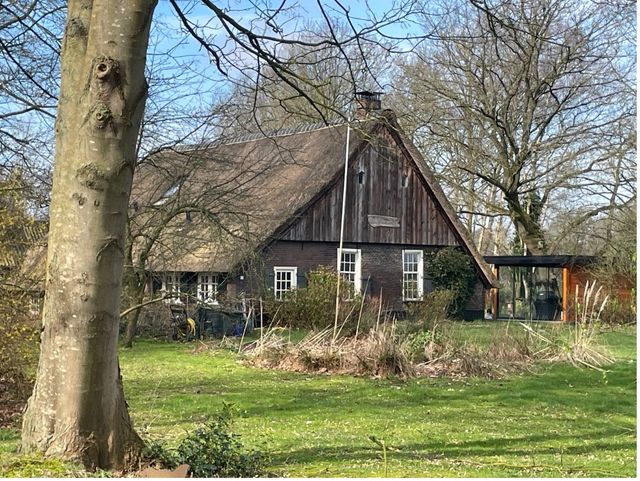
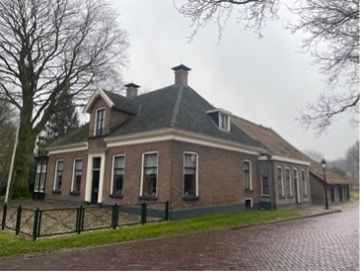
Monumental farmhouse, Brink 11
Monumental farmhouse, Brink 11
National monument: farmhouse (Brink 11) of the halle house type with a transverse house in front. The boiler house with potting shed at this farm is also listed.
-
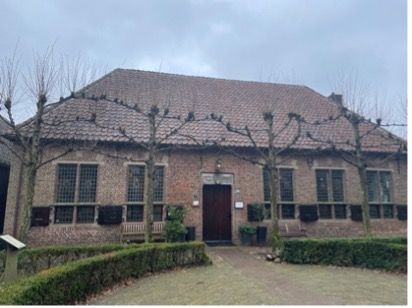
National monument, Primeval Museum
National monument, Primeval Museum
National Monument, Primeval Museum. Voorml. Schultehuus. Building was built in 1604 by order of the schulte Berend Ketel. The schulte was a notary/mayor who also had judicial duties.
-
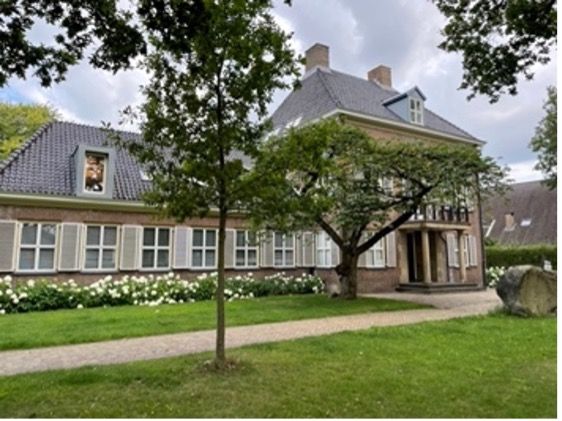
Former Diever town hall
Former Diever town hall
Former town hall. Built on behalf of the municipality of Diever, designed by the Drenthe architect J. Boelens (Assen).
-
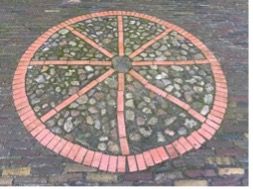
Pavement the Wheel of Life
Pavement the Wheel of Life
Paving Abe Brouwer in front of the old town hall. Abe Brouwer was a paver and writer; he was also involved in the Shakespeare Theatre. This wheel of life symbolises the different stages of life. Abe's paving can be found in several places in the village.
-
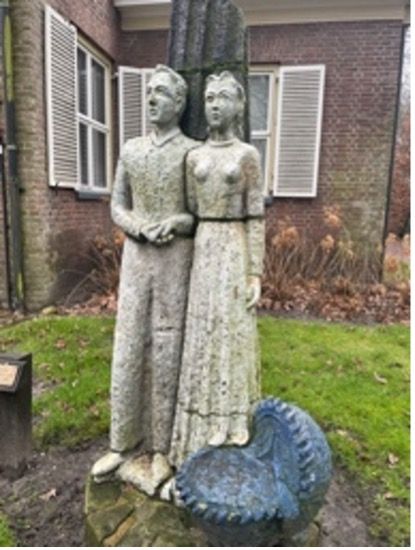
Image Life
Image Life
Stone statue of a man, a woman (marriage) and a baby in its cradle (birth) standing in front of a broken column (death). It stands in front of the former Diever town hall, where birth, marriage and death were declared.
Description
*Scootmobile Ommetje Driekoningenavond starts on the Brink at walking junction 45. (Alternative starting point is the terrace/back of the JT Seinenhof. You then walk along the ditch and continue the route from Van Osstraat).
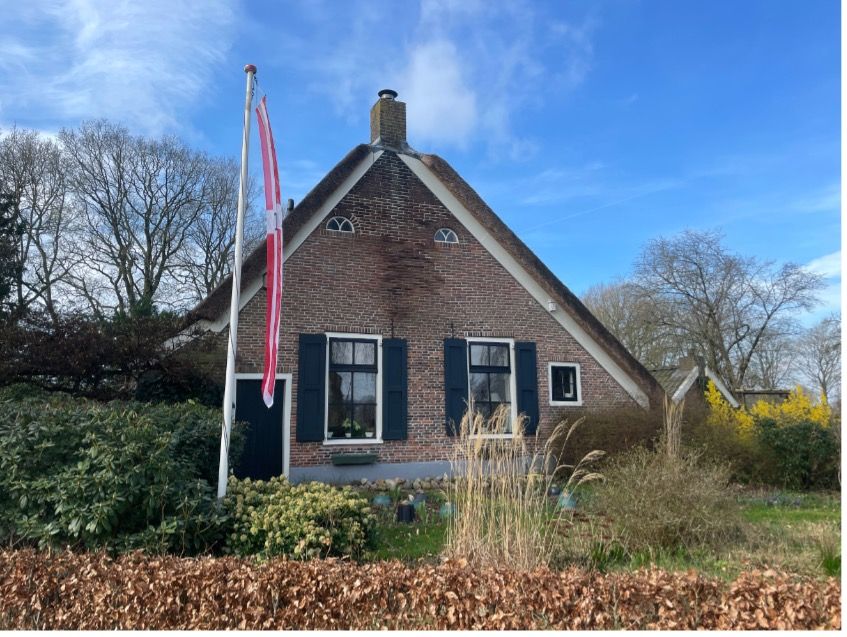
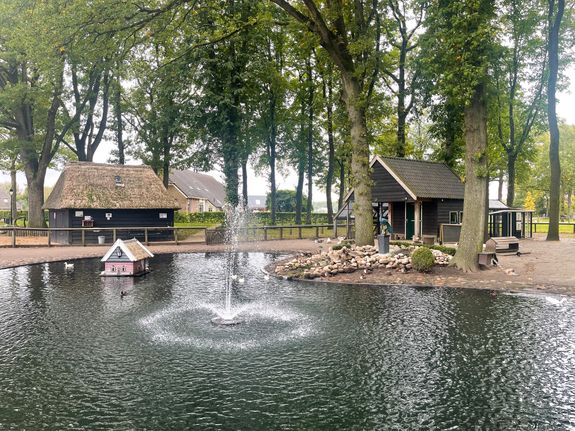
*From the Brink, drive past the Pancratius church to the kleine Peperstraat. At the corner of kleine Peperstraat is the old smithy of the late Klaas Kleine. You then pass Achterstraat with a monumental farm at number 14 and the duck pond. This pond used to be a firewater pit, or " Braandkoele" in Drents terms. Fires were extinguished from this pit.
*Then cross the Hoofdstraat (look out) to the Van Osbank. You now walk up the Castle and soon turn right, past the Huntershof. (If you start from the JT Seinenhof, this is where you will join the route). You follow Van Osstraat with pretty farmhouses and at the junction turn left towards the Castle. You follow the Kasteel and at the junction turn left onto Steenakkerweg. (Note: the shorter wheelchair route with red signs turns right here).
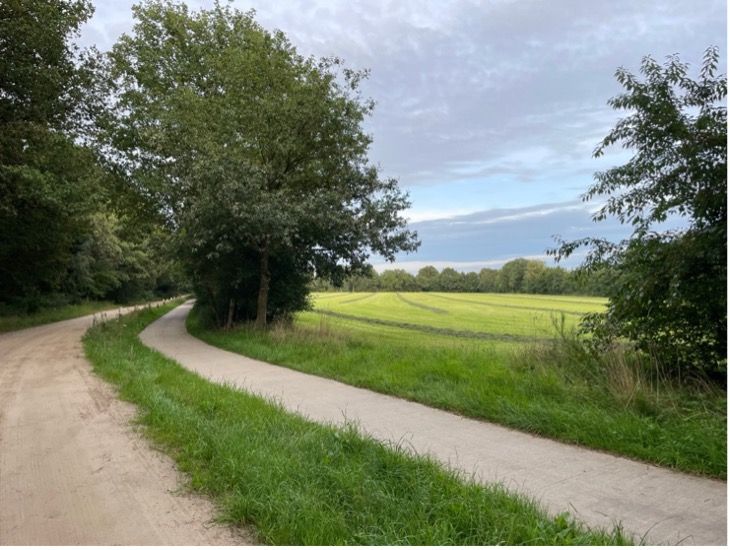
*At the junction turn right, you will soon see Hunebed D52 on your left. You continue the route and see the Landhotel Diever, this is the former almshouse. You then turn onto the cycle path of the Groningerweg. Turn right and now see farmland on both sides. At the end at the T-junction, turn right. You then come back into the village on Dwarsdrift.
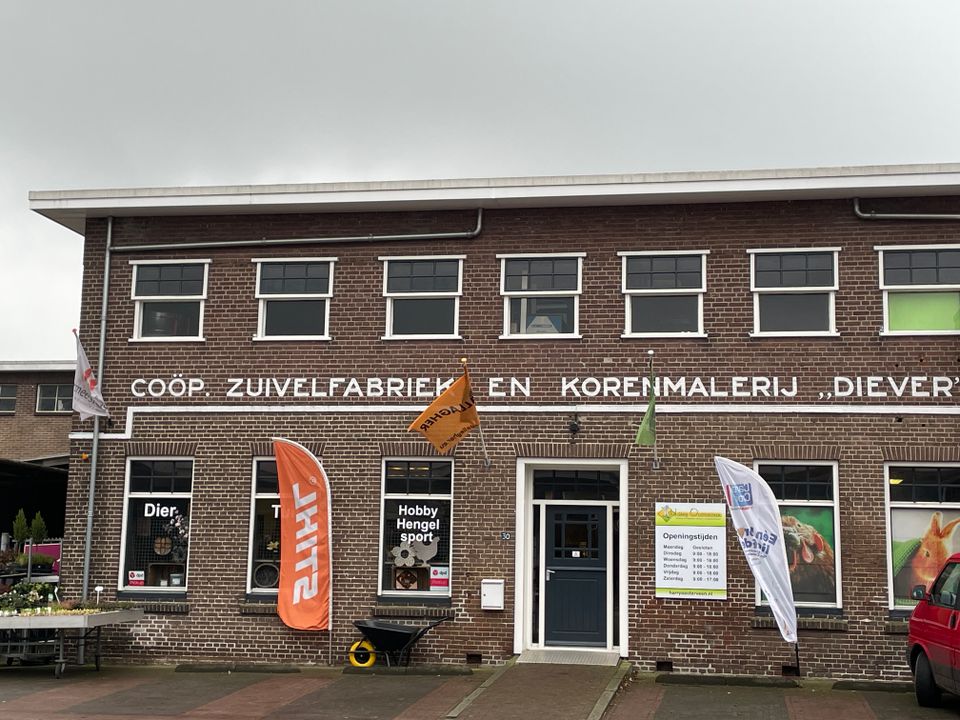
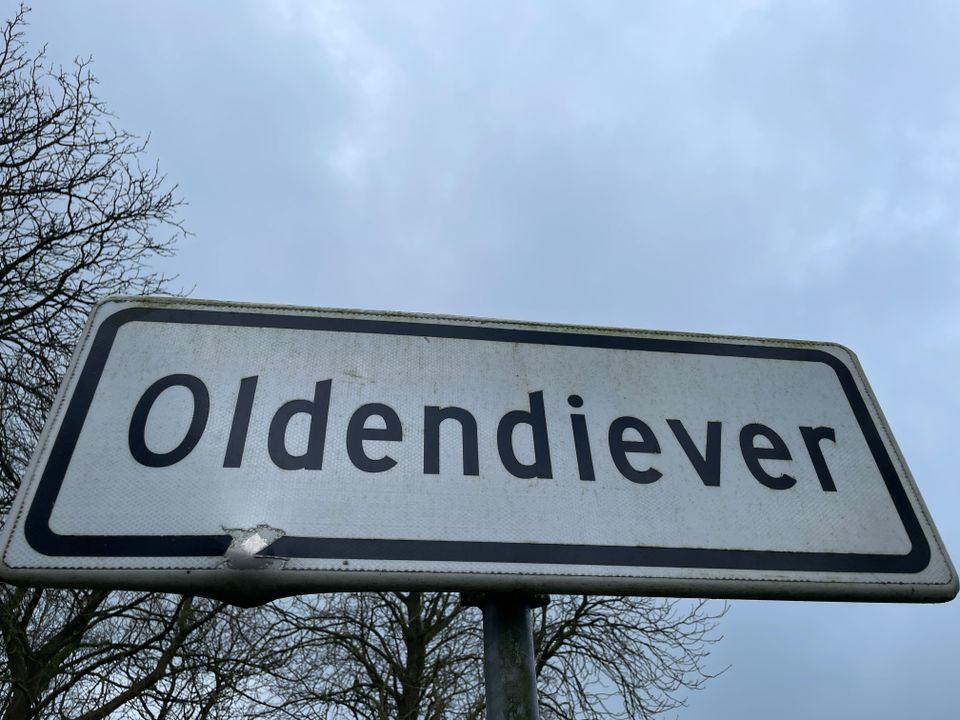
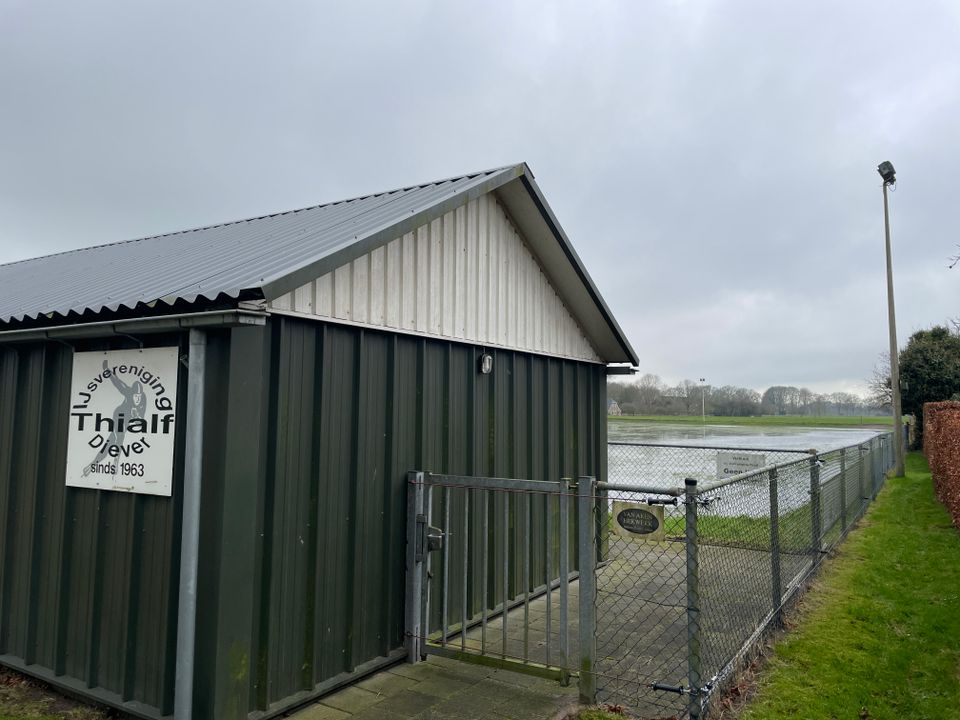
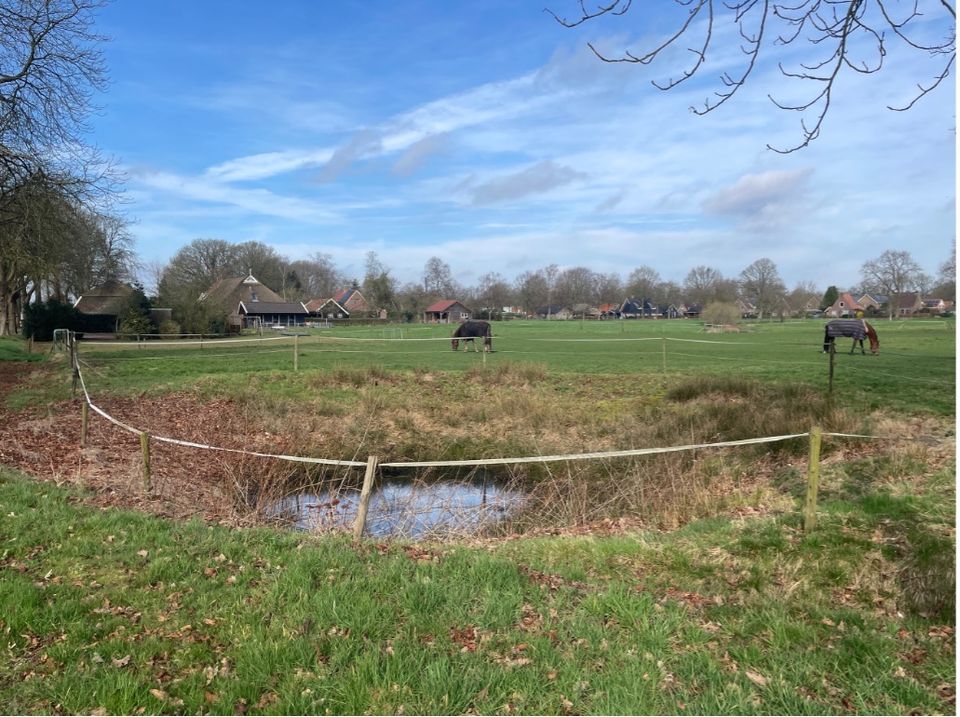
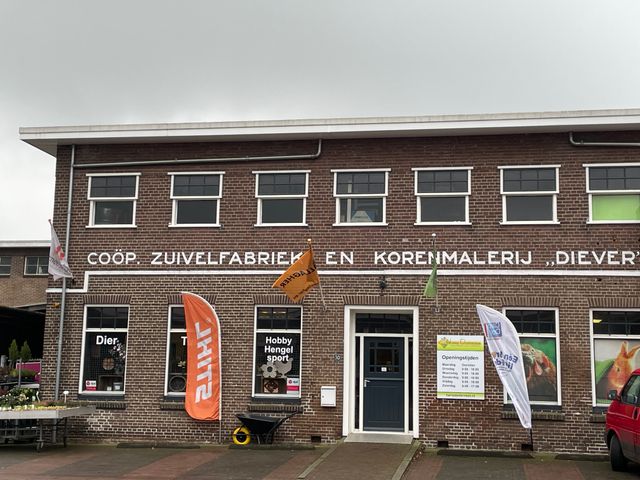
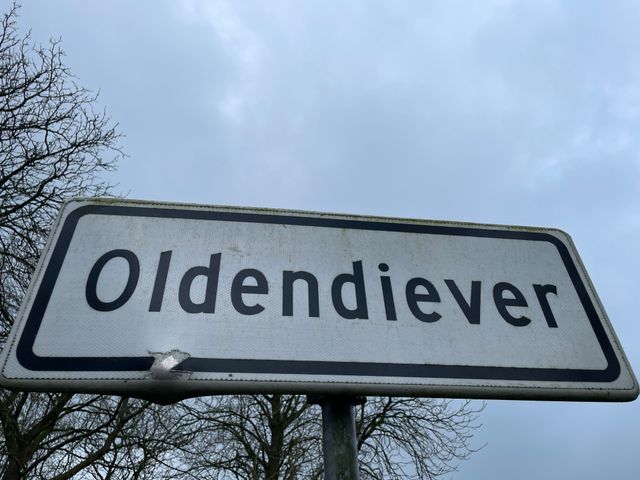
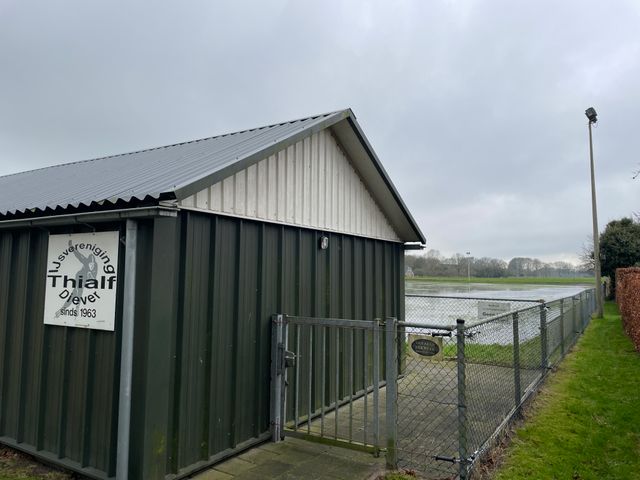
*The Dwarsdrift joins the Moleneide. Watch out when crossing. You will see the former "Coöperatieve melk- en zuivelfabriek Diever" on the left. The street where you are now is Kastanjelaan and the name lives up to its name, look what chestnut trees! You pass IJsvereniging Thialf on your right and then you see farm de Kastanjehof on your right. After the Lueks stable, you see another firewater pit in the field on your right. You end up in Oldendiever, which together with Kalteren are Diever's oldest hamlets. You can still see beautiful farms here.
*To get back to the centre, take the cycle/walking path the Bultie. This comes out on Veentjesweg where you can see Korenmolen de Vlijt on your left. Continue the route through Kloosterstraat to the Brink, again you will see some beautiful buildings: the monumental farm on Brink 11, the Oermuseum and the old town hall.
- 45
- 47
- 19
- 20
- 27