
City walk Hoogeveen
(3 km)
Welcome! I am Hoogeveen. During this signposted city walk, I will take you along places that tell my history. My story starts with the peat. Centuries ago, peat was extracted here - an important fuel in those days. By digging canals and the hard work of peat workers, a village slowly grew here.
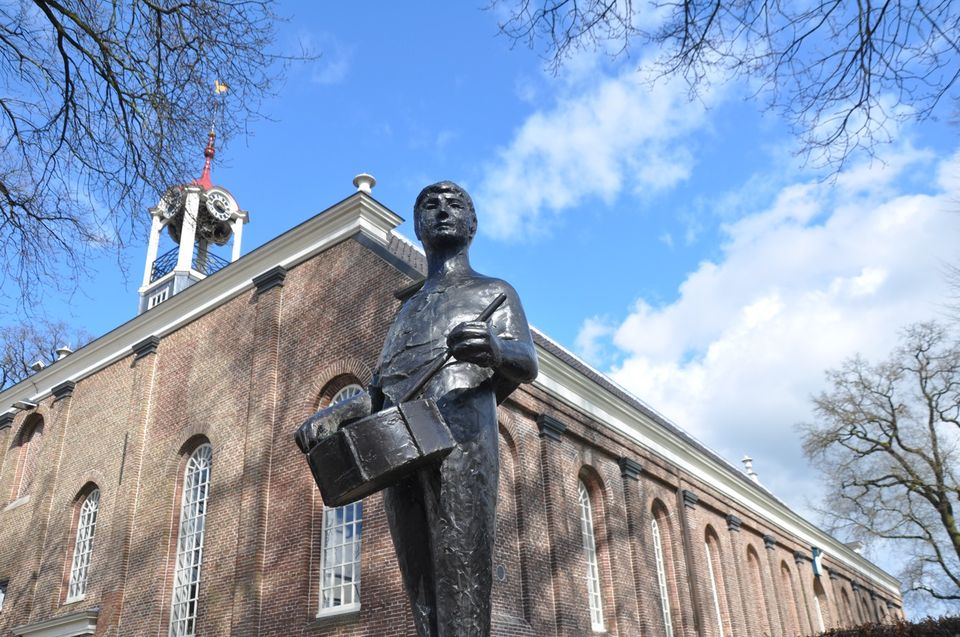
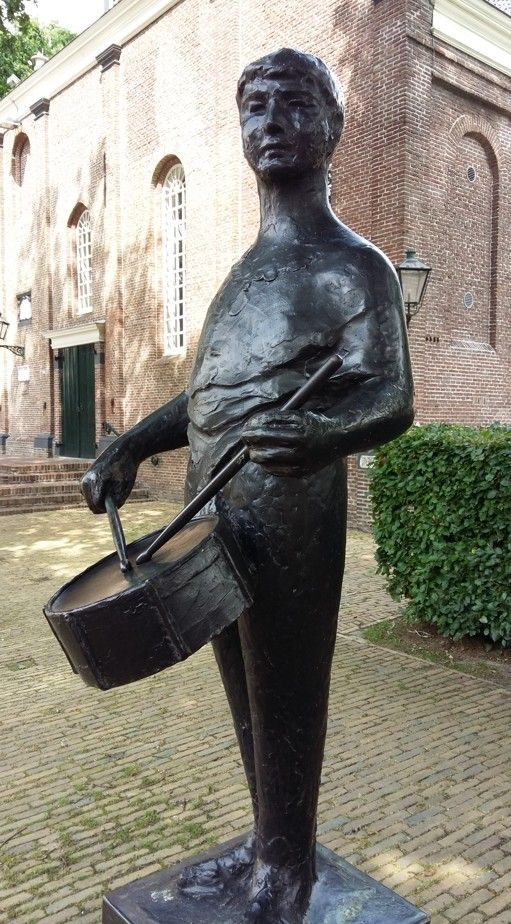
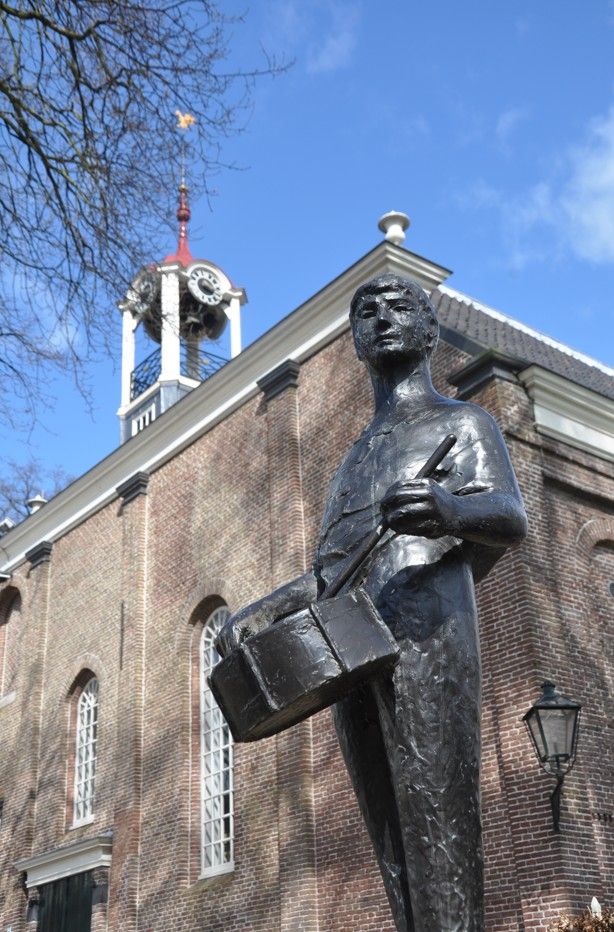
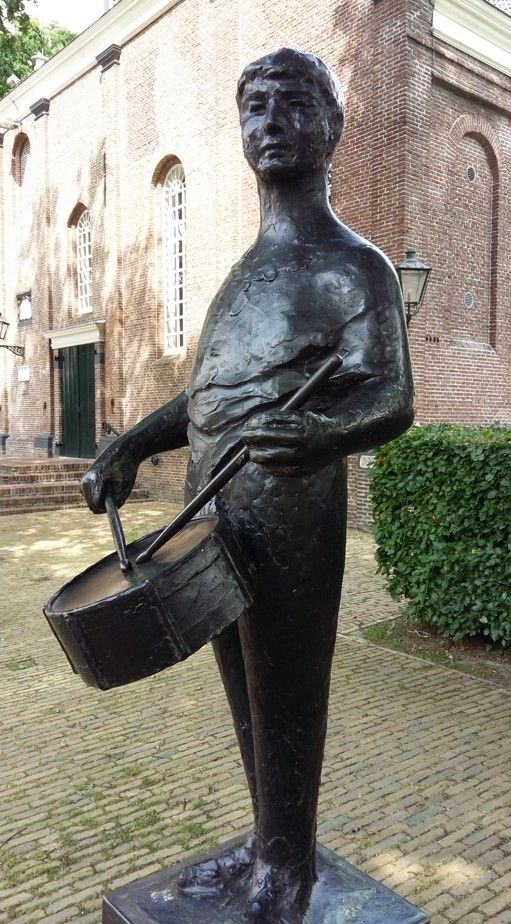
Along the way, you will also come across the Drummer. He was the village's drummer. Every Sunday he would walk through the streets and drum the inhabitants together for the church service. The route is paved everywhere and pleasant to walk. At several places along the walk, you will find QR codes. Scan them and discover even more stories about my past.
Parking and public transport
The route starts at the Grote K...
Welcome! I am Hoogeveen. During this signposted city walk, I will take you along places that tell my history. My story starts with the peat. Centuries ago, peat was extracted here - an important fuel in those days. By digging canals and the hard work of peat workers, a village slowly grew here.
Along the way, you will also come across the Drummer. He was the village's drummer. Every Sunday he would walk through the streets and drum the inhabitants together for the church service. The route is paved everywhere and pleasant to walk. At several places along the walk, you will find QR codes. Scan them and discover even more stories about my past.
Parking and public transport
The route starts at the Grote Kerk. Near this church on the Van Echtenstraat or the Van Echtensplein, you can park at paid parking. Address for navigation: Van Echtenstraat 29-35, 7902 EN Hoogeveen. The nearest bus stop to the starting point of the route is 'Tamboerpassage'. From here it is about a 1-minute walk to the starting point of the route. Plan your public transport journey here.
Signposting
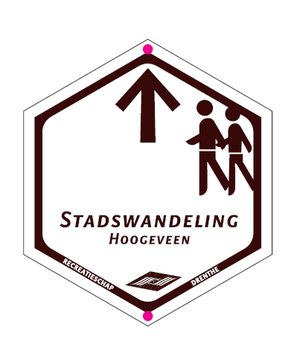
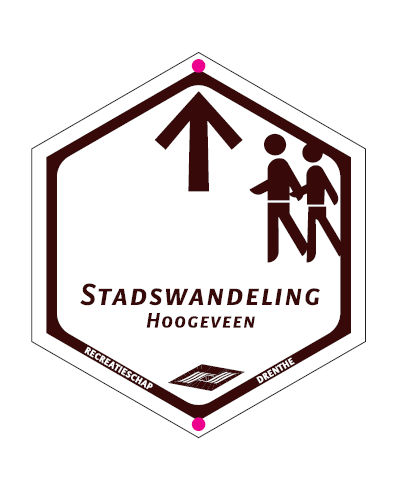
The route is signposted with white hexagonal signs with brown print.
Dogs
Dogs are allowed on the leash.
Food & drink
Would you like something to eat or drink during this walk? You can do so at lots of different places in Hoogeveen.
-
Route sign
Route sign
You are going to see this
-
Grote Kerk Hoogeveen
Grote Kerk Hoogeveen
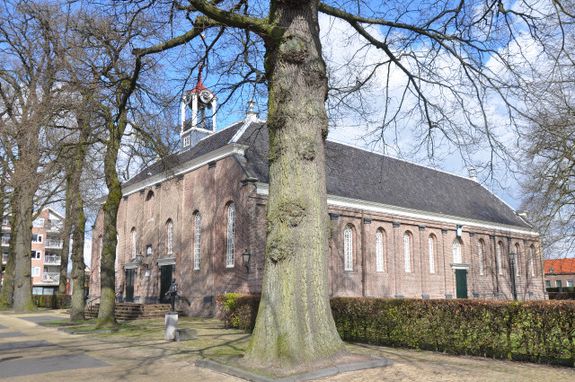
The Grote Kerk belongs to Hoogeveen like the bog to the landscape. Indeed, the church is almost as old as the village itself. A church has stood here for almost as long as Hoogeveen has existed.
-
The origins of Hoogeveen
The origins of Hoogeveen
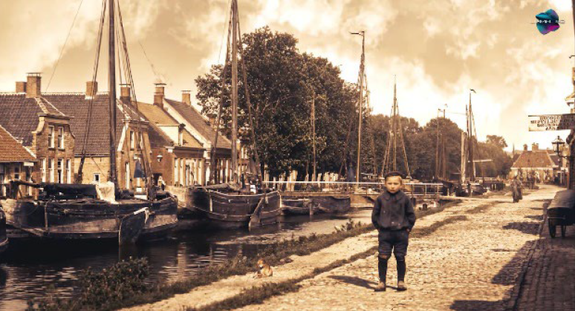
Go back in time, and see old images come to life. How did Hoogeveen come into being?
-
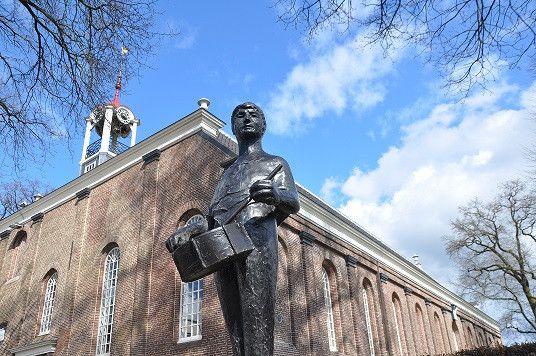
Image "The Drummer"
Image "The Drummer"
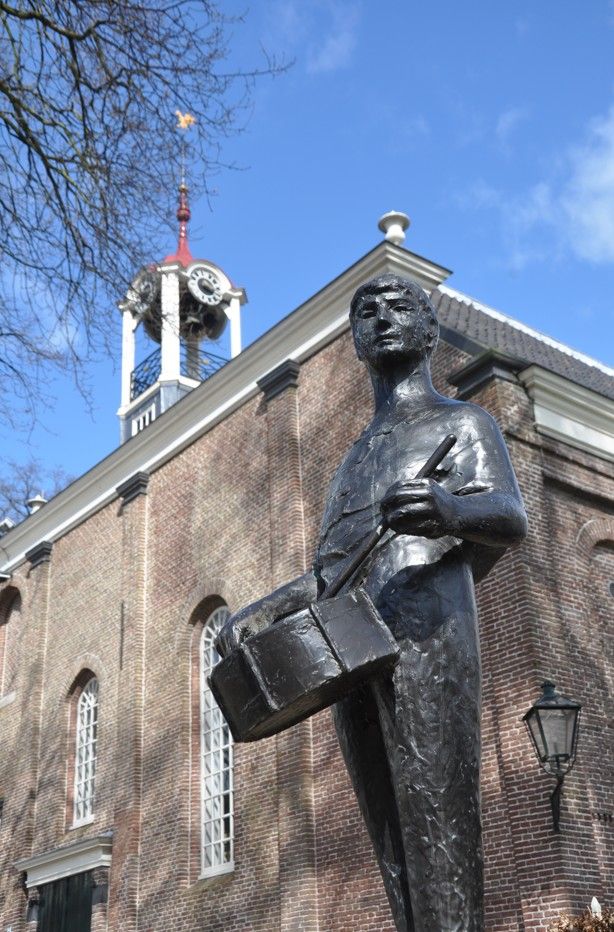
Imagine: it is Sunday morning in Hoogeveen, a few centuries ago. The streets are still quiet. Then suddenly a roll sounds through the village. Ratatata... ratatata...That roll came from the drummer.
-
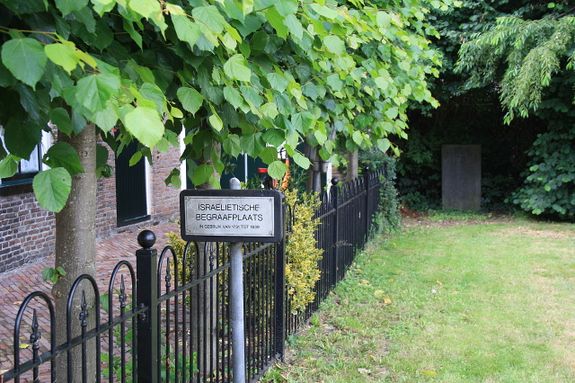
Old Jewish Cemetery | Hoogeveen
Old Jewish Cemetery | Hoogeveen
Next to the former vicarage of the Grote Kerk is a quiet spot in the centre of Hoogeveen: the old cemetery. Burials were first made here as early as around 1700.
-
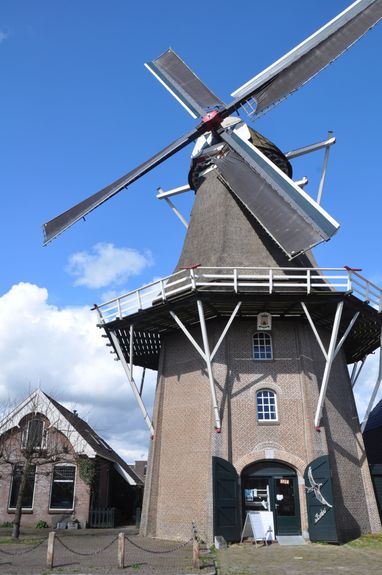
Corn mill "De Zwaluw" | Hoogeveen
Corn mill "De Zwaluw" | Hoogeveen
This mill was built in 1787 by Roelof Steenbergen of Ten Arlo on the Krakeel. A grinding mill with an extensive shop in the centre of Hoogeveen. It is a production mill, which means that the electric motor can be used to grind when there is no wind.
-
Intersection of waterways
Intersection of waterways
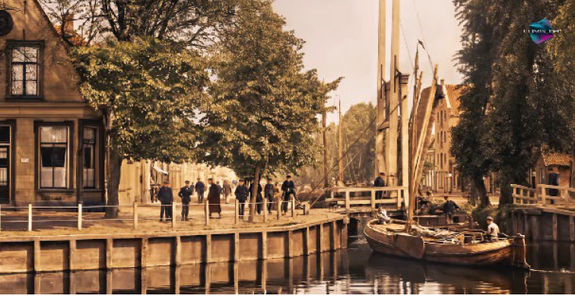
Now you will find mostly roads here, but has this always been the case? How important was water to Hoogeveen?
-
The Cross - the lively heart of Hoogeveen
The Cross - the lively heart of Hoogeveen
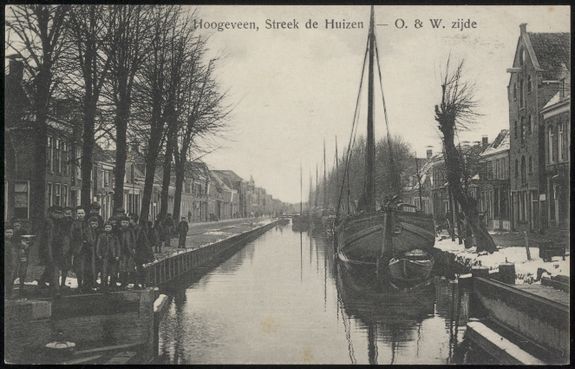
You are here at a place with a long and lively history. This square is called Het Kruis. For centuries, roads, bridges and people have come together here. Once, this was a busy junction of water and trade. There were no fewer than six bridges here, including even two tram bridges.
-
Historic buildings Hoogeveen
Historic buildings Hoogeveen
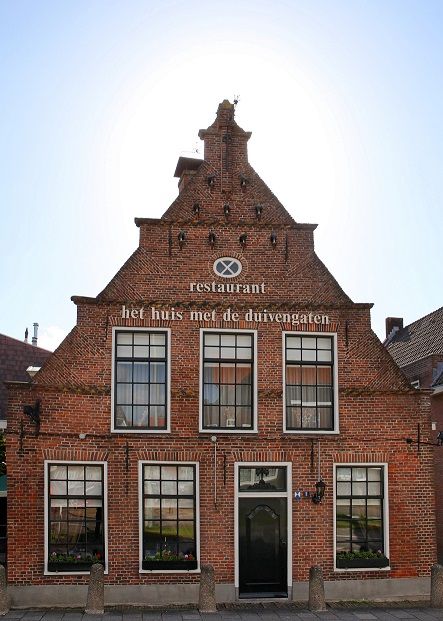
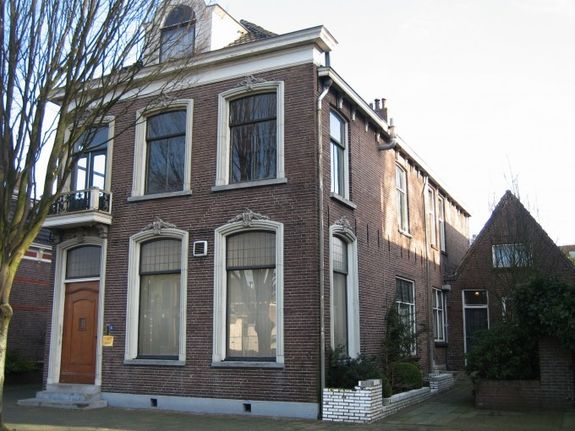
Walking down Hoofdstraat, it is tempting to just look at the shops and shop windows. But also look up at the facades. There you will discover a surprising amount of history.
-
Water artwork "De Cascade"
Water artwork "De Cascade"
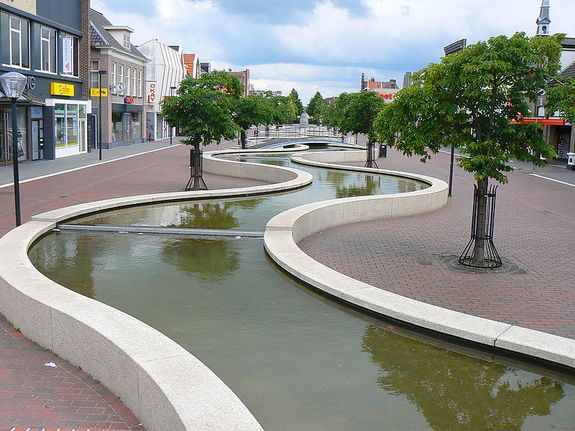
In the middle of the Hoofdstraat runs the Cascade: a long water artwork about 250 metres long and 10 metres wide. The water meanders through the street and forms a striking part of the streetscape.
-
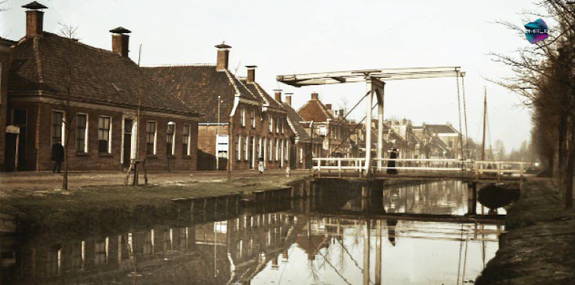
A canal and a tram through the main street?
A canal and a tram through the main street?
Now the main street is a shopping street. In the past, a canal lay here, and a tram even ran here.
-
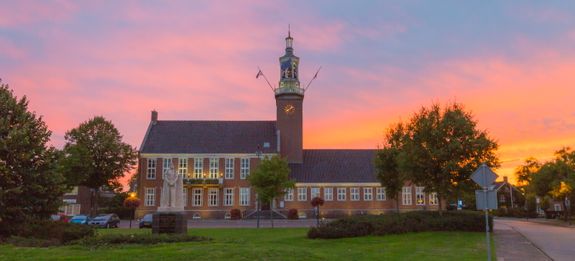
Hoogeveen town hall with carillon tower
Hoogeveen town hall with carillon tower
On the Raadhuisplein is Hoogeveen's town hall, a striking building that has housed the town's administration since 1940. Designed by architect C.J. Blaauw, it was created in the Delft School style.
-
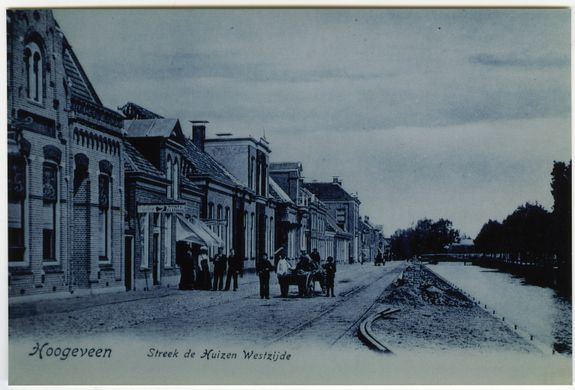
Savings Bank building
Savings Bank building
You can clearly see from this building how proud Hoogeveen was of its own savings bank around 1900. In that year, the board of the Spaarbank Hoogeveen had this building built. It was designed by the municipal architect J. Carmiggelt.
-
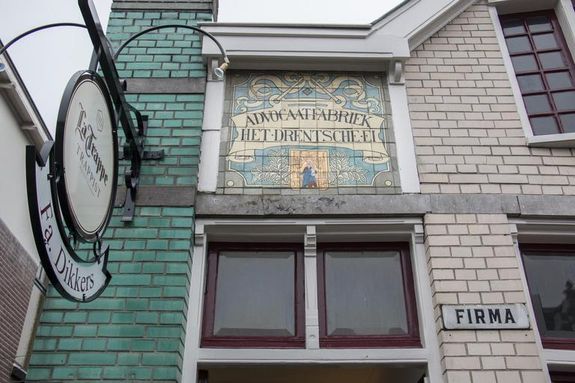
Advocate factory 'The Drentse Egg
Advocate factory 'The Drentse Egg
On this spot once stood a factory with a remarkable product: advocaat. The factory was called Het Drentse Ei and belonged to entrepreneur Albert Dikkers from Hoogeveen.
-
Former monastery
Former monastery
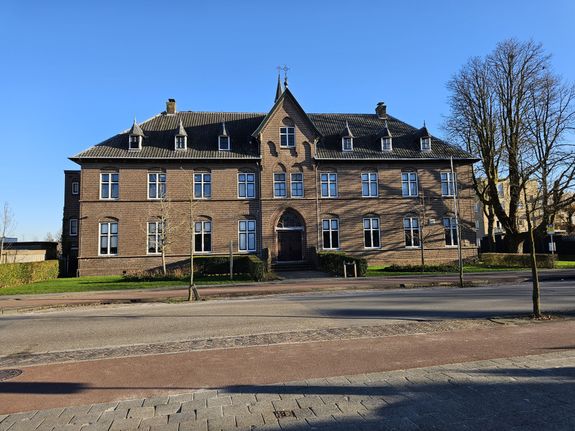
If you walk a little further and cross Brinkstraat, you will see a special building at number 5. This was once the Carmelite monastery, built in 1905, where fathers of the Carmelite order lived.
-
Van Gogh mural | Hoogeveen
Van Gogh mural | Hoogeveen
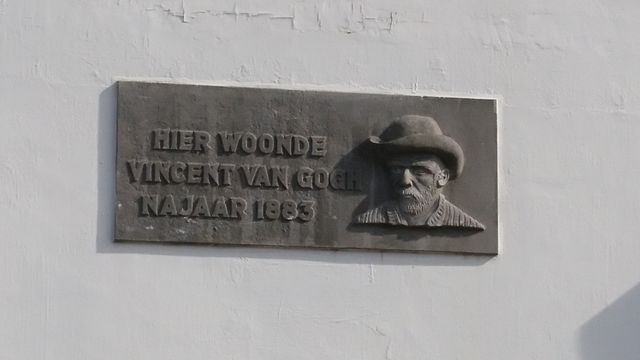
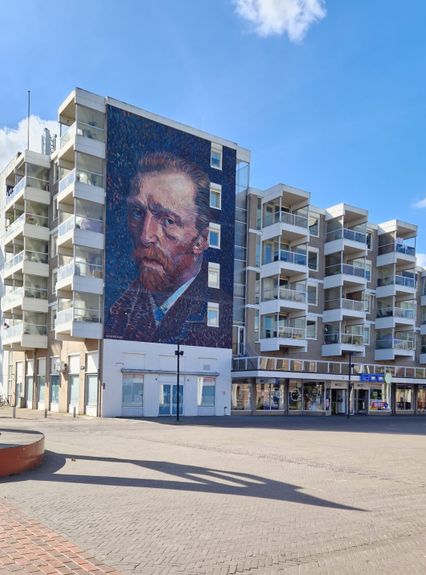
In the centre of Hoogeveen location Dekkerplein you will find a house-high self-portrait of Vincent van Gogh. This street art mural is the work of De Strakke Hand.
-
Cows and Vincent's letters
Cows and Vincent's letters
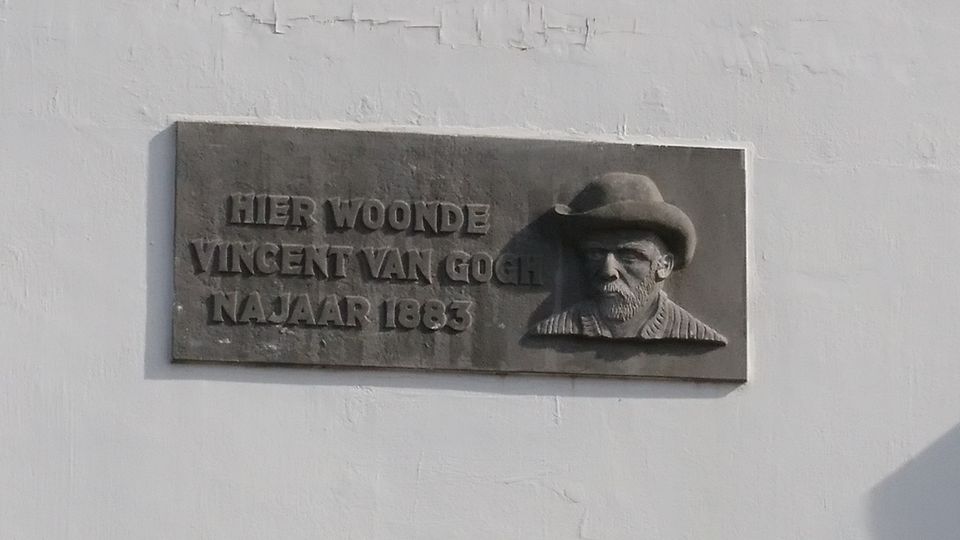
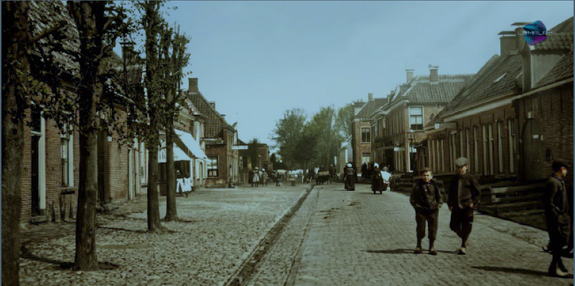
Vincent van Gogh sent letters to his brother from here. It was also the location for the cattle market for many years.
-
Former post office Hoogeveen
Former post office Hoogeveen
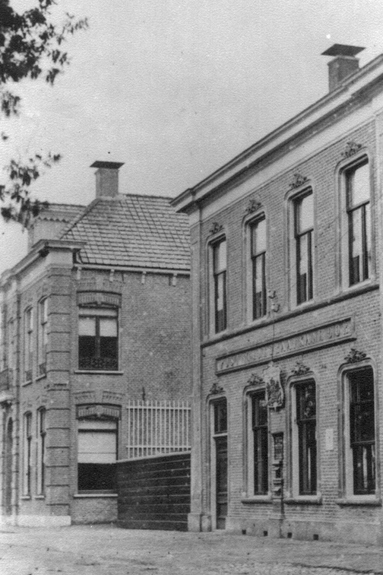
On the spot where eatery De Beurs now stands, Hoogeveen's post office used to stand. This is where Van Gogh regularly came to send his letters.
-
Remonstrant Church
Remonstrant Church
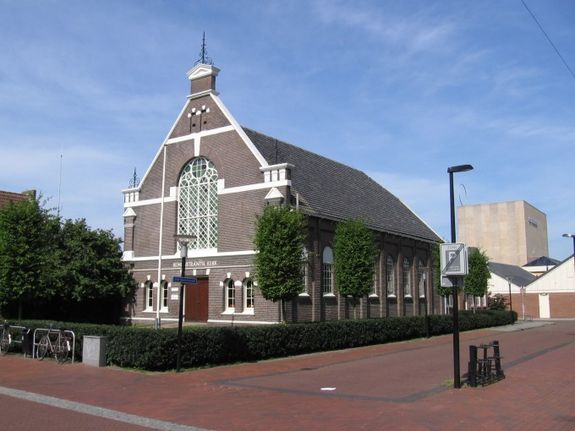
At the corner of Ten Oeverstraat stands a modest but special church: the Remonstrant Church of Hoogeveen. The building was built in 1894 and designed by architect J. Carmiggelt, who designed several buildings in the region.
Description
Extra info - The story of Hoogeveen
Welcome! I am Hoogeveen. Let me tell you something about my history. My story begins in 1551. That's when my peatland was first sold. In 1631, five people from Drenthe and Holland founded the Compagnie van 5000 Morgen. In 1636, two merchants, Pieter Joosten Warmont and Jan van der Meer, initiated the village, the colony of Hoogeveen.
That moorland later grew into today's Hoogeveen. My name says it all: Hoogeveen was created by peat. Peat was dried into peat. For centuries, this was an important fuel for houses and industry. To extract the peat, the peatland owners had a network of canals dug. Via the water, the peat went mainly to the peat market in Zwartsluis and from there to lime kilns, brickworks and cities in the west of the Netherlands.
The Drummer
In the young peat village, everyone was working hard. Yet Sunday was a special day. Because noise had to be made when hunting wolves, every village had to appoint a drummer in 1647. The church also allowed the drummer to go through the village when there were church services.
A new era
Peat remained important until around 1900. After that, everything changed. Coal became a new and more efficient fuel. My inhabitants then had to look for new ways to earn a living. They had always been involved in agriculture, cattle breeding and trade, but also turned to horticulture and industry. That turned out to be a good choice. In the 1960s, Hoogeveen even briefly grew into the fastest-growing municipality in the Netherlands.