
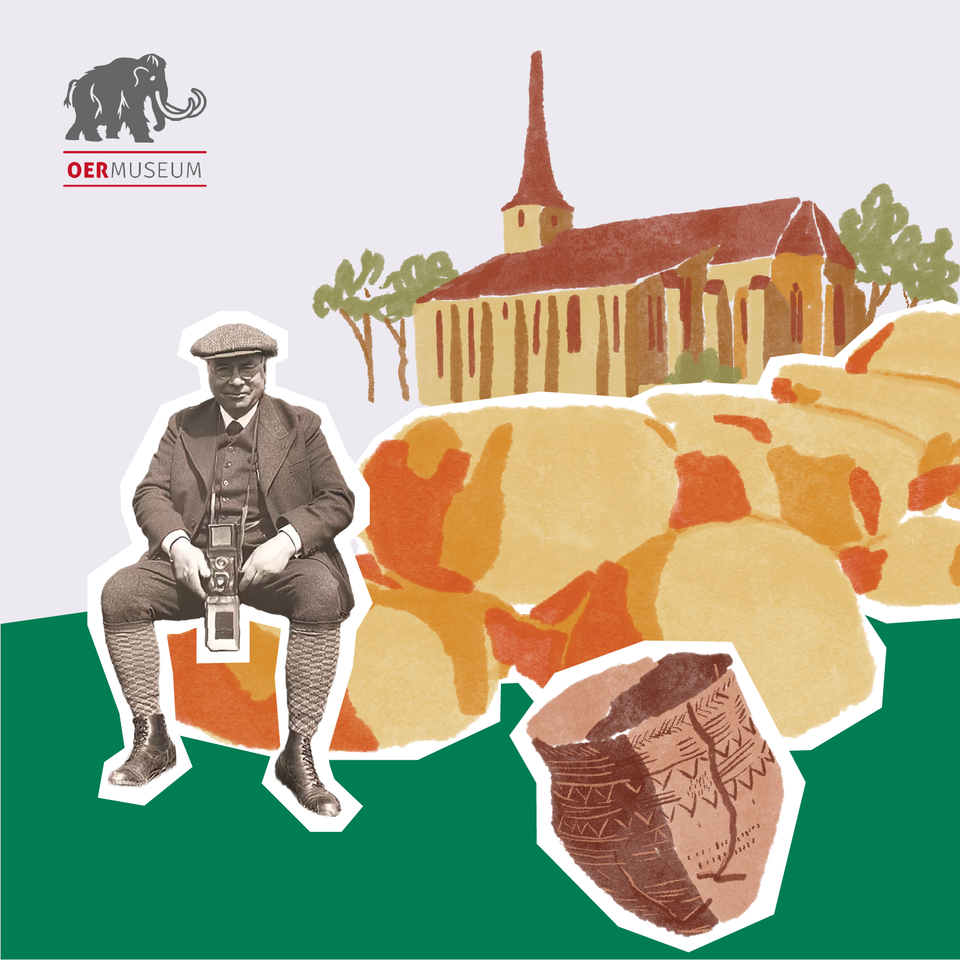
Following in the footsteps of the father of the hunebeds
New
1 hour 30 minutes
(4.5 km)
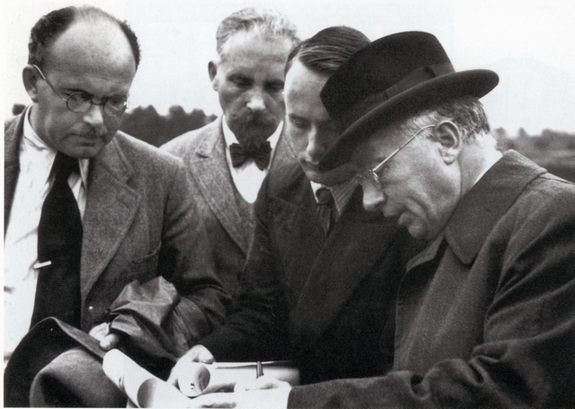
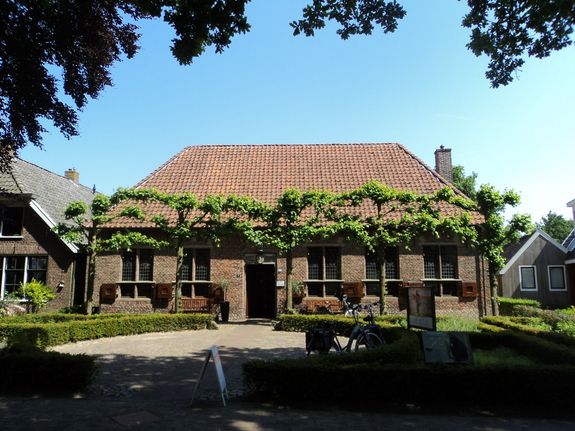
Diever’s past is still tangibly present. Play, walk and discover the traces of the past as you set off with a world-famous archaeologist. In the DrentheRoutes app, he tells you more about the area and why he particularly enjoyed exploring this very spot. The route starts and ends at the OERmuseum. There are plenty more fun things to do here after your walk!
Listen to Albert Van Giffen’s historical stories as you go.
Use your phone to follow the route and listen to the stories.
- Download the DrentheRoutes app onto your phone. Allow the app to use your location.
- Find the walk ‘Following in the footsteps of the father of the hunebeds’ and download the route.
- You’re all set! The audio plays automatically when you get close to a Point of Interest.
- You…
Diever’s past is still tangibly present. Play, walk and discover the traces of the past as you set off with a world-famous archaeologist. In the DrentheRoutes app, he tells you more about the area and why he particularly enjoyed exploring this very spot. The route starts and ends at the OERmuseum. There are plenty more fun things to do here after your walk!
Listen to Albert Van Giffen’s historical stories as you go.
Use your phone to follow the route and listen to the stories.
- Download the DrentheRoutes app onto your phone. Allow the app to use your location.
- Find the walk ‘Following in the footsteps of the father of the hunebeds’ and download the route.
- You’re all set! The audio plays automatically when you get close to a Point of Interest.
- You’ll end up at the OERmuseum, where you can see and read more about Albert van Giffen’s legacy.
This is what makes this route special
- Archaeological discovery trail
You are going to see this
-
-
De Brink Diever
De Brink Diever
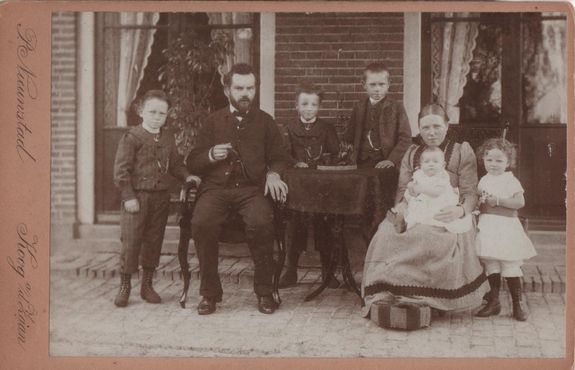
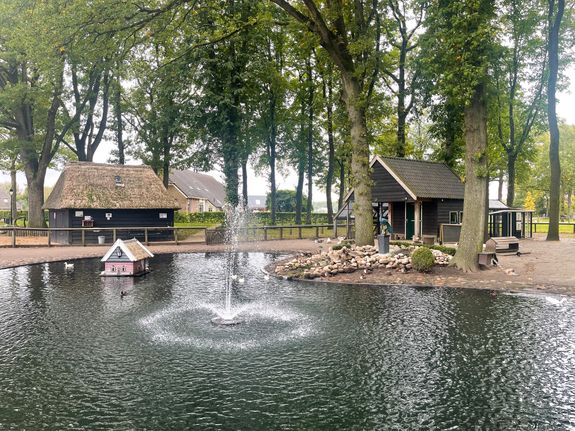
This is the Brink van Diever. Now a peaceful spot, but it used to be very busy here. In the mornings, the shepherd would gather his flock here to head out to the heath. Later, the Brink became more of a village square where people would gather.
-
St Pancratius church
St Pancratius church
This Gothic church is dedicated to St Pancras with eight altars. Alongside the Romanesque with Gothic choir of Anloo and Vries, it is one of the cleanest churches in Drenthe.

-
Achterstraat
Achterstraat
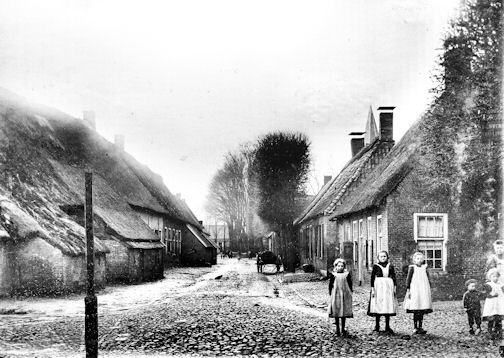
This street gives a lovely glimpse of what the village of Diever used to look like. Here you can see the Saxon-style farm: a mixed-use property where people and their livestock lived under one roof. This style of building dates back to the time of the hunebeds.
-
-
Hunebed D52
Hunebed D52
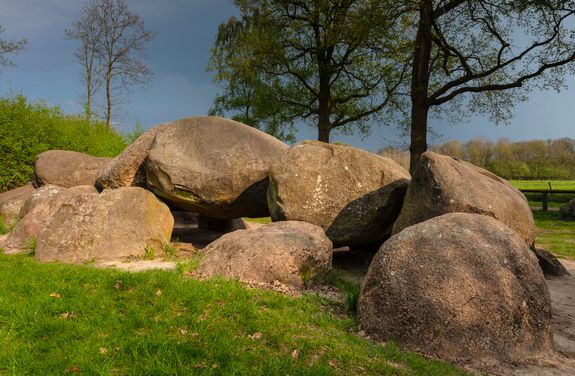
Diever possesses a medium-sized hunebed that has undergone much restoration. It now lies almost complete and well cared for again.
-
De Steenkist
De Steenkist
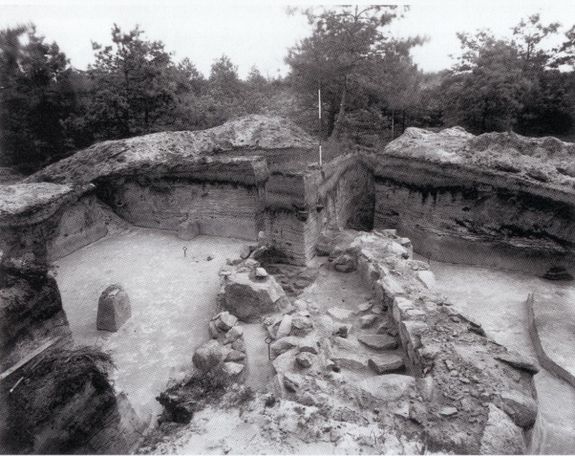
The stone coffin of Diever. A stone coffin resembles a hunebed, but is simpler in construction. Instead of huge boulders above ground, a small stone burial chamber was partially buried here and covered with earth. Scan the QR code on the sign to see what the stone coffin looks like.
-
Heezeberg
Heezeberg
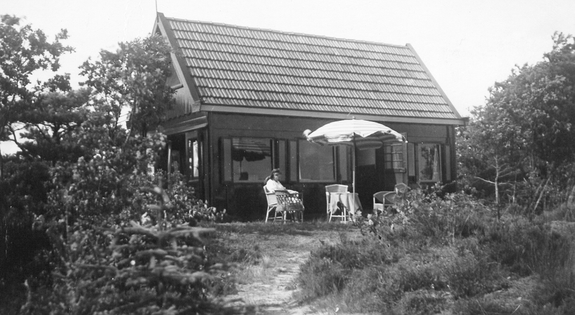
Albert van Giffen’s former estate. The high moraines at this site were formed during the Ice Age and are still clearly visible.
-
Hezenes
Hezenes
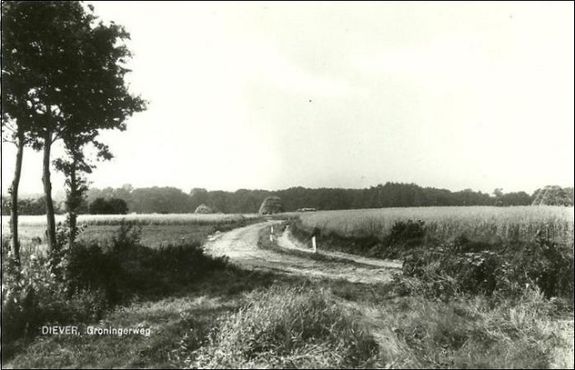
This is one of the highest points of the Hezenes. This landscape was partly formed during the Ice Age. This is also an ‘Es van Diever’, a place where farmers practise agriculture. Essen are an essential part of Drenthe’s culture and can be found throughout the province.
-
De Schoeberg (Paasberg)
De Schoeberg (Paasberg)
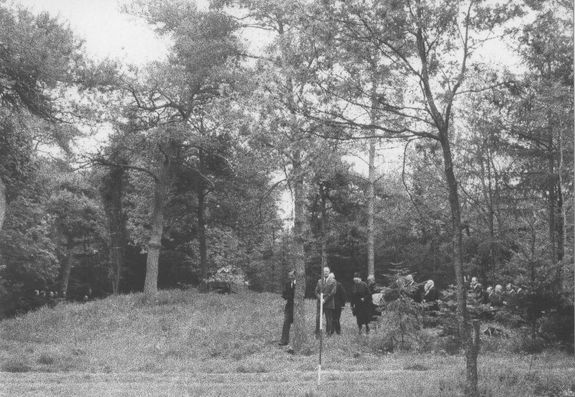
The Paasberg is a prehistoric burial mound. Such mounds were built thousands of years ago to bury the dead. Each new burial was covered with an extra layer of sand, causing the mound to grow slowly. This is how these distinctive monuments came to be part of the landscape.
-
Albert van Giffen’s grave
Albert van Giffen’s grave
Albert van Giffen’s grave. It is a simple grave: a granite headstone on a raised mound. No grand monument, no embellishments – perfectly in keeping with a man who was primarily interested in what lay hidden beneath the ground.
-
Description
Use your phone to follow the route and listen to the stories.
- Download the DrentheRoutes app onto your phone. Allow the app to use your location.
- Find the walk ‘Following in the footsteps of the father of the hunebeds’ and download the route.
- You’re all set! The audio plays automatically when you get close to a Point of Interest.
- You’ll end up at the OERmuseum, where you can see and read more about Albert van Giffen’s legacy.