


Havelterbergroute
(55 km)
This bicycle tour (Havelterbergroute), 54 kilometres long, leads you past characteristic villages such as Havelte and Ruinerwold interspersed with quiet natural areas and the historic town of Meppel.
Parking
The route starts at cycle junction 01 in Havelte. Parking is free at Toegangspoort Holtingerveld, Van Helomaweg 18, 7971 PX Havelte. Here you will also find the visitor centre with catering facilities.
Signposting
This route is signposted using white hexagonal signs with green printing. It is also possible to pick up the route using the signposts at other locations.
Food & drink
Would you like to eat or drink something during this cycle tour? You can do so at various catering establishments in Meppel, Darp and Havelte.
-
Example route sign

Example route sign

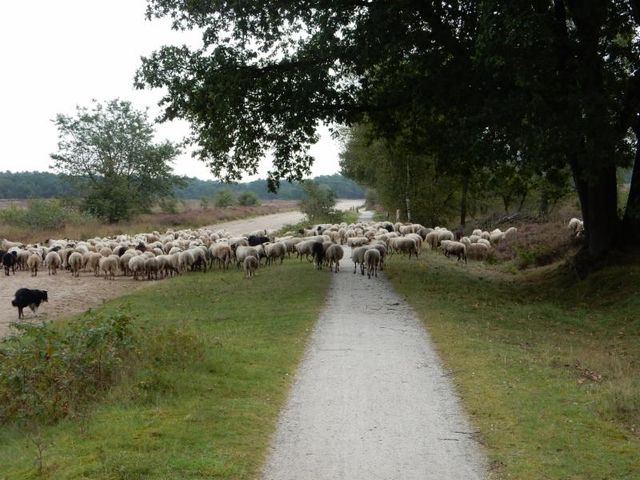
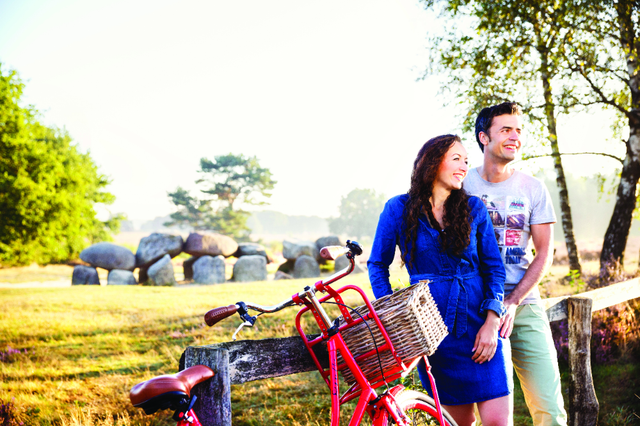
You are going to see this
-
1
Starting point:
Cycle junction 1
Darp
Navigate to starting point -
Butterfly paradise Papiliorama
Butterfly paradise Papiliorama
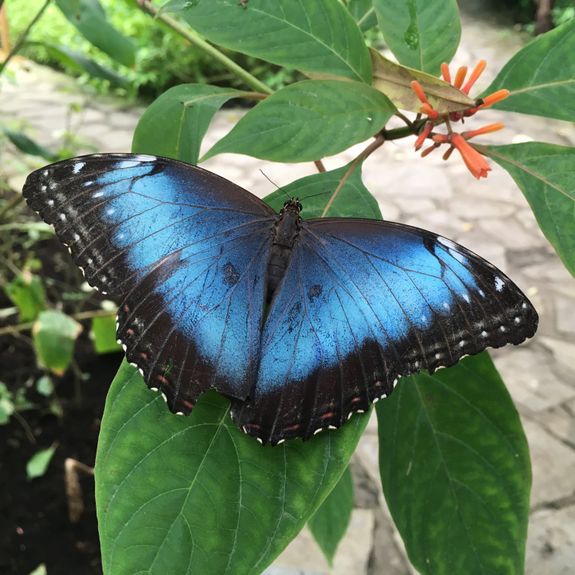
The most colourful day out! Enjoying nature's exotic, colourful flying jewels in a specially created piece of tropical jungle - that is Butterfly Paradise "Papiliorama"
-
Holtinger Sheep flock
Holtinger Sheep flock
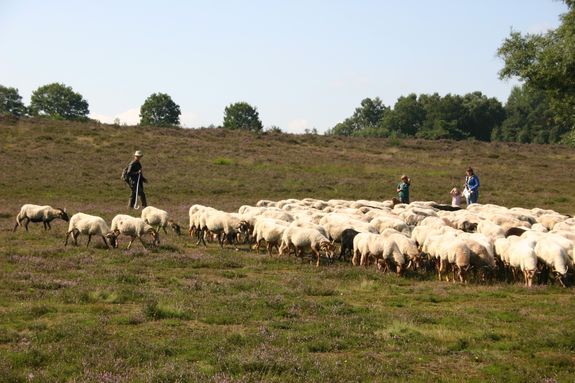
In 2013, the Holtinger flock's sheep pen was officially opened. Although the pen is modern, it still exudes the old Drenthe atmosphere. In summer, the shepherds trek daily, regardless of the we...
-
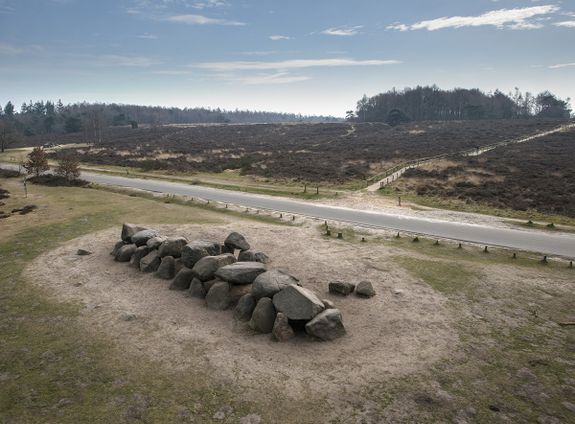
Gateway Holtingerveld
Gateway Holtingerveld
Havelte-Oost is a Natura 2000 area with mainly heathland on the Halvelterberg. The Havelterberg is highly visible and therefore the most striking part of the area.
-
10
-
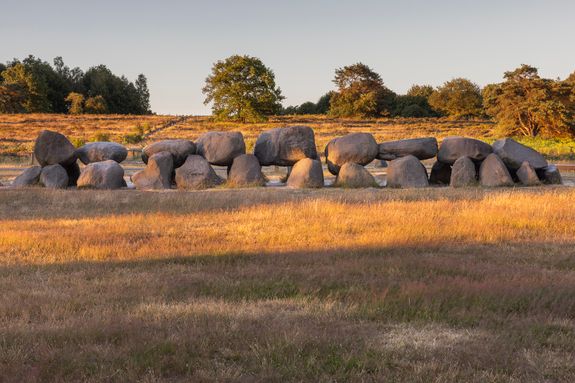
Hunebed D53 and D54
Hunebed D53 and D54
The second largest hunebed in the Netherlands can be found in Havelte. Hunebed D53 is the only hunebed damaged by the war. The German air force wanted to build an airfield on this spot therefore the stones were moved at the time....
-
Johannes Post Barracks
Johannes Post Barracks
The barracks, built in 1952, was named after the resistance fighter Johannes Post. An extension took place in the 1990s
-
29
-
72
-
31
-
41
-
8
-
52
-
51
-
50
-
6
-
9
-
7
-
28
-
26
-
3
-
2
-
4
-
70
-
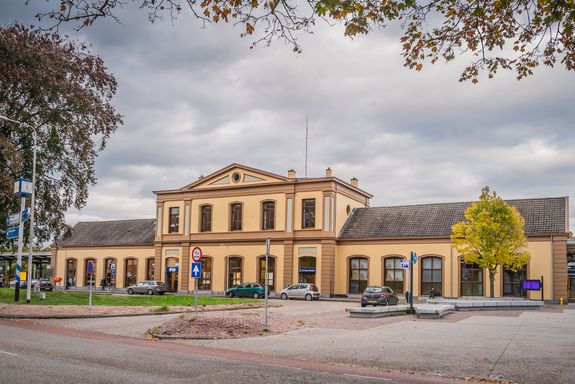
Meppel railway station
Meppel railway station
Meppel station building was built in 1865 and officially opened on 1 October 1867. This happened with the opening of the Zwolle-Meppel railway line. Anyone travelling today from...
-
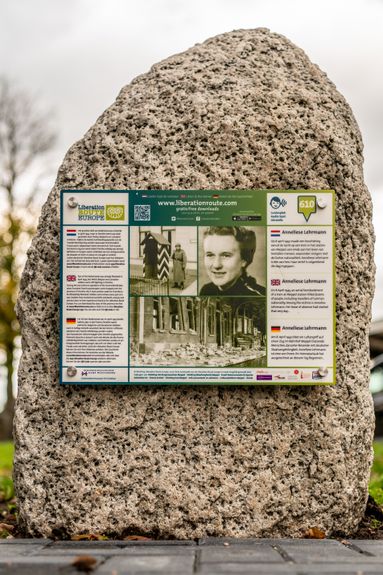
Listening Stone
Listening Stone
The Drentse kei in front of Meppel railway station is a 'Listening Stone' and part of the Liberation Route of which Meppel is part. When you scan the QR code, you can listen to the impressive...
-
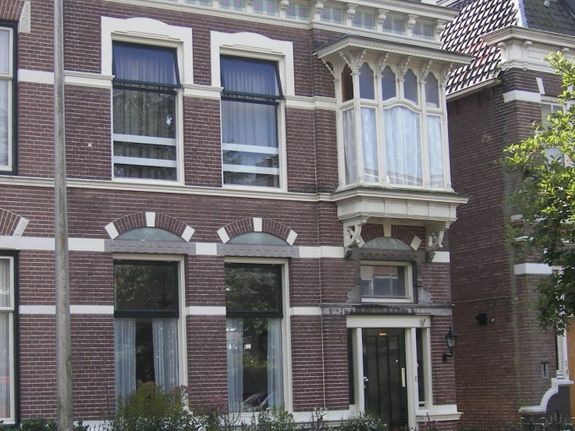
Mansion Meppel 1905
Mansion Meppel 1905
The mansion was built in 1905 in Eclectic style with elements of Neo-Renaissance. The mansion is situated in the building line and forms part of an almost continuous façade wall with verge...
-
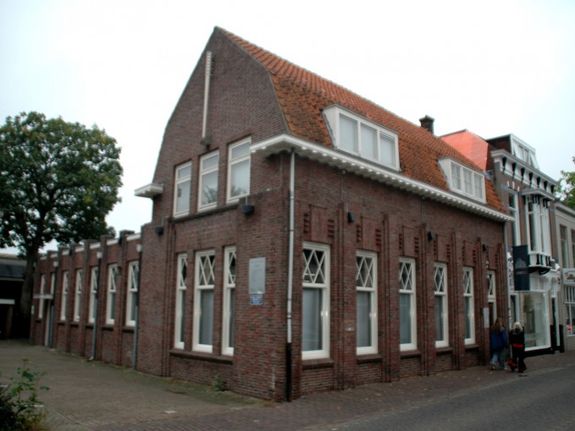
Bank building Meppel 1918
Bank building Meppel 1918
A BANK building commissioned by the National Bank Association and built in 1918. An older building was thereby completely renewed in a Ration...
-
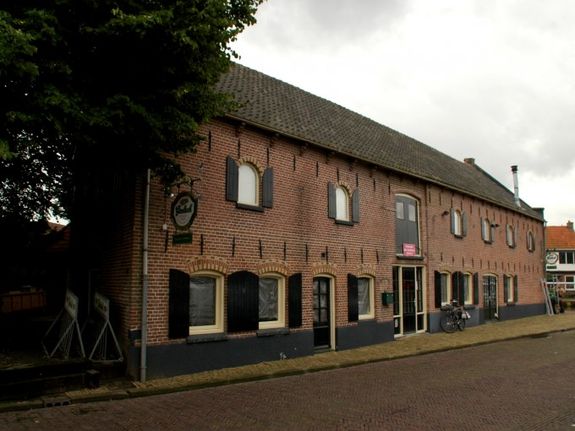
Warehouse Meppel 1860
Warehouse Meppel 1860
A former warehouse built around 1860 in traditional craftsmanship style situated in a very distinctive and historically and functionally characteristic central location on the ring of canals in the centre of the town on the...
-
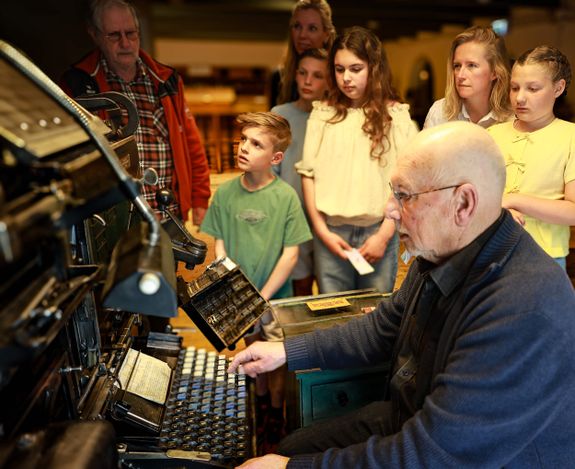
Museum Impression
Museum Impression
Step into the world of print and experience the craft up close. The smell of ink, drawers full of type and large machines that once brought newspapers, books and posters to life. Discover the stories behind the craft, admire historic printing presses and have a go yourself at Museum Indruk!
-
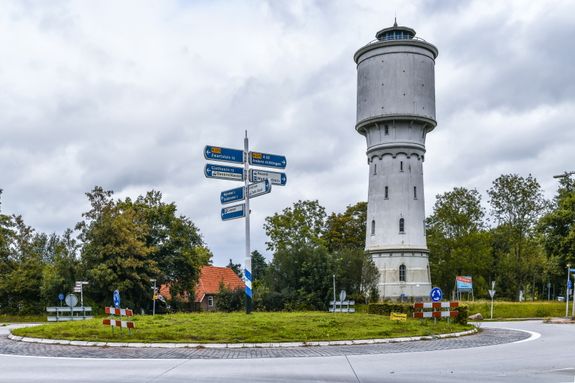
Water tower Meppel 1893
Water tower Meppel 1893
WATERTOREN built in Waterstaatsstijl from 1893. Meppel was the first of the four towns in Drenthe to decide to build a central drinking water supply. The Meppel water tower takes...
-
47
-
25
-
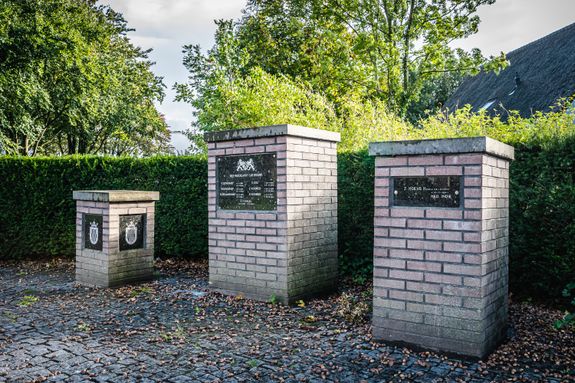
War memorial Dorpsstraat Nijeveen
War memorial Dorpsstraat Nijeveen
The war memorial commemorates seven members of the Nijeveen resistance who died during World War II. Five of them were killed as a result of an ammunition explosion on 9 April 1945....
-
-
48
-
17
-
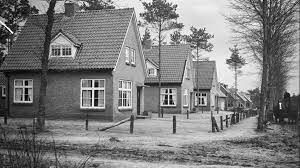
Darp
Darp
Darp is a village in the municipality of Westerveld, in the Dutch province of Drenthe. The village had 605 inhabitants in 2021. The name comes from derp; the Drentse name for 'village'.
-
11
-
1
End point:
Cycle junction 1
Darp
Navigate to end point
Description
1
Starting point:
Cycle junction 1
Darp
Navigate to starting point
Additional Info
The route starts at Havelterberg: a place where many traces of the past are still visible. The area is not known as a nature "kneaded by ice and war" for nothing. Here you will find burial mounds and dolmens, among other things. The area between Havelterberg and Holtinge also has a rich war past.Among other things, the Germans tried to realise a 'grand project', namely an airfield. Fliegerhorst Havelte was ultimately never realised. Thanks to numerous bombings by the Allies, the Germans made the realisation of the airfield impossible. You will also find deep bomb craters in the area, which now contain water and where salamanders and frogs feel completely at home.
- The Johannes Post Barracks is one of the last large barracks still in operation since the end of the Cold War and the abolition of compulsory military service. Johannes Post (1904-1944) was a prominent resistance fighter, in Drenthe, and later in many other places in the Netherlands including The Hague, Breda and Amsterdam. After his arrest in Amsterdam, he was shot.
- Via Wapserveen, you cycle in the direction of Holtinge to Uffelte. Holtinge is located in one of the oldest inhabited areas in Western Europe. Various traces of the period around 50,000 BC have been found here. In the Holtingerveld area (between Holtinge and Havelterberg) there are still around 12 burial mounds.
- Uffelte is an esdorp with many characteristic Saxon farmhouses. The marke of Uffelte is characterised by ash trees, but also by woodland, heathland, moorland and shifting sands. The Ooster- and Westerzand to the north of the village, formed an estate consisting of forest, heathland and peat (Uffelterzand). The Uffelterzand was part of the so-called marke, where many sheep herds grazed. Sheep were so essential for fertilising the ashes that the grazing pressure on the marches became far too great. Plagging also helped expose the soil and cause the sand to drift. Back then, in the 19th century, this was a disaster. Today, conservationists actually like it for biodiversity and the appearance of the landscape.
- A flock of about 350 sheep graze in this beautiful nature reserve. Brinkdorp Havelte is also called the "pearl of Drenthe". The village lies along the Drentse Hoofdvaart canal. Because of its strategic location, the Germans built a large military airfield here during World War II. The airfield only served for a very short time, as it was soon bombed by the Allies.
- Via Eursinge and Haveltermade, you continue the cycle route to Ruinerwold. This village has no fewer than 29 national monuments, including 14 provincial monuments. Two monumental farmhouses have been set up as museum farms: De Karstenhoeve (from the seventeenth century). The other museum is called 'Van Bovendijk', a classic farm still in use. The reformed church, which stands outside the village, dates from the 15th century. When you cycle the 'Havelterbergroute' in April, the Dokter de Larijweg offers a special sight. Here there are about 1,400 flowering pear trees along the old route then.
- The route continues towards Blijdenstein to the beautiful town of Meppel. Meppel definitely deserves a stop; Meppel is a historic town where the rich trading past is still visible. Marvel at the houses with their special details. There is plenty of cultural history to experience here. And what many people don't know is that Meppel is a port town. The name Meppel comes from Möppel, Old Dutch for estuary. Here, a few small streams joined together in the Meppelerdiep, which flowed into the Zuiderzee near Genemuiden. When peat extraction started in southeast Drenthe at the end of the 19th century, Meppel quickly grew as a storage and transhipment point. Meppel is now a collection of unusual monuments. The lovely town is definitely worth a short stop. Marvel at the many national monuments and houses with special details and settle down at one of the many cosy catering establishments in the heart of the town.
- The Reest valley, a stream valley on the border with Overijssel, is home to unusual plants and animals. Thanks to the transitions between high and low lands, between dry and wet, you will find, among other things, big sedge species, stiff ostrich reed and large burnet here. The grasslands often consist of meadowgrass and ryegrass. The moist, open grassland areas are, for instance, pleasant for meadow birds. These therefore like to nest in a stream valley. The area is also known for the many storks that visit the Reest valley in hundreds in summer.
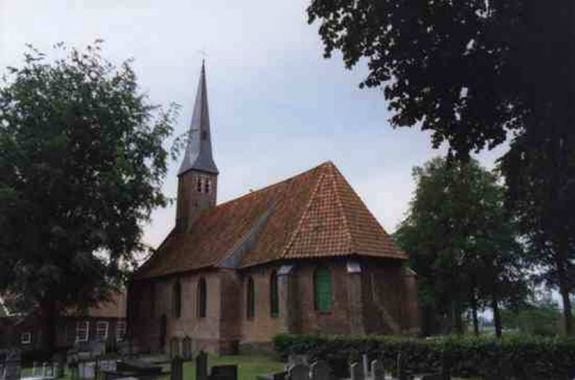
- Nijenveen is first mentioned in 1310, however, not as Nijenveen but as Hesselerveen. The peat belonging to Hesselte near Havelte. The Gothic church stands outside the village and is still in almost original condition with an offering table from 1477.
- At first glance, Darp does not seem like a village where you would expect storage of nuclear weapons. Yet this was the case in the period from 1961-1992. They were located in the forest, in a comlex guarded by an inner ring and a concentric outer ring. Inside walked US soldiers, outside Dutch conscripts. A watchtower (The Site) recalls the storage. Incidentally, it has never been officially confirmed that nuclear weapons were stored there.
1
End point:
Cycle junction 1
Darp
Navigate to end point
- 1
- 10
- 29
- 72
- 31
- 41
- 8
- 52
- 51
- 50
- 6
- 9
- 7
- 28
- 26
- 3
- 2
- 4
- 70
- 47
- 25
- 48
- 17
- 11
- 1