


Estates de Wijk
2 hours 13 minutes
(10 km)
Walking route 'Landgoederen De Wijk' is a signposted 10 km route around the village of De Wijk, on the border of Drenthe and Overijssel. You will see beautiful vistas over the Reest valley and walk past beautiful estates, such as former manor house De Havixhorst, Dickninge the stork outpost 'De Lokkerij' Reestdal. The route is not paved everywhere.
Parking and public transport
Sufficient parking is available at the Havixhorst, the starting point of the route. Coming by public transport? The bus stop 'Havixhorst' is the nearest stop from the starting point of the route. From here it is a 1-minute walk to the starting point. Plan your public transport journey here.
Signposting
The route is signposted with white hexagonal signs with brown print.
Dogs
Dogs are allowed along if leashed.
Food & drink
Want something to eat or drink during this walk? You can do so at the starting and finishing point The Havixhorst and along the way in the district.
-
Estates de Wijk route sign

Estates de Wijk route sign

You are going to see this
-
The Havixhorst estate
The Havixhorst estate
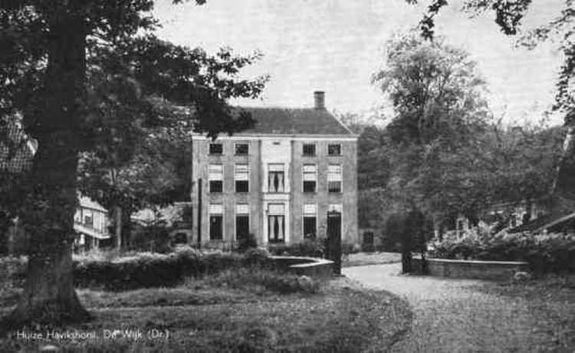
At its core, The Havixhorst estate consists of the manor house with outbuildings, garden, moat and surrounding forest. In total, the estate covers about 100 hectares. The estate is beautifully located in h...
-
Sculpture park the Havixhorst
Sculpture park the Havixhorst
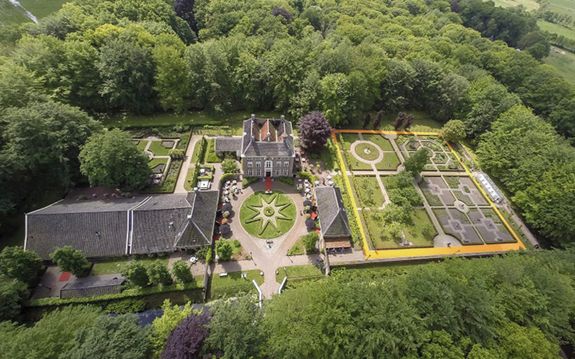
In the idyllic Reest valley lies the country estate De Havixhorst with its Havezate, 18th-century gardens and Sculpture Park De Havixhorst. A unique combination of art and nature. In the sculpture garden of De Havixhorst,...
-
Tramway Meppel-Balkbrug
Tramway Meppel-Balkbrug
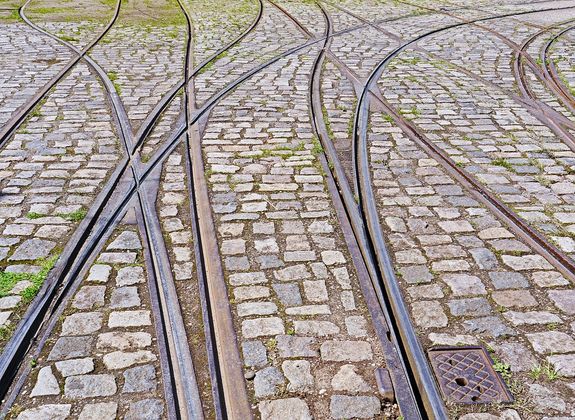
A tramway went from Balkbrug towards De Wijk/Meppel from 1905. The line was 21 km long and contained 70 curves. Due to the rise of (freight) cars, the D.S.M. (Dedemsvaartsche S...
-
Huize Voorwijk
Huize Voorwijk
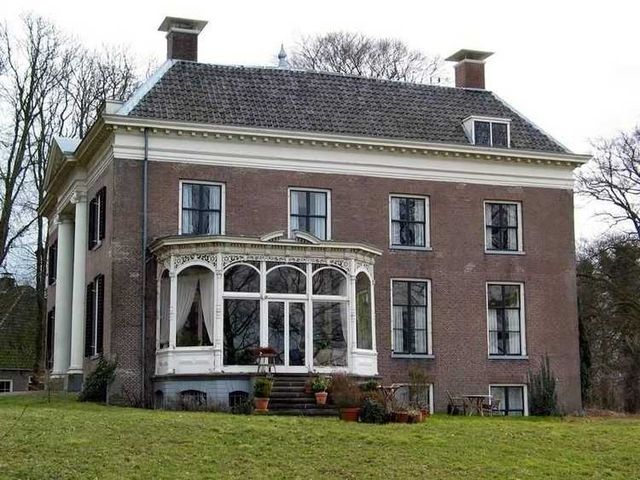
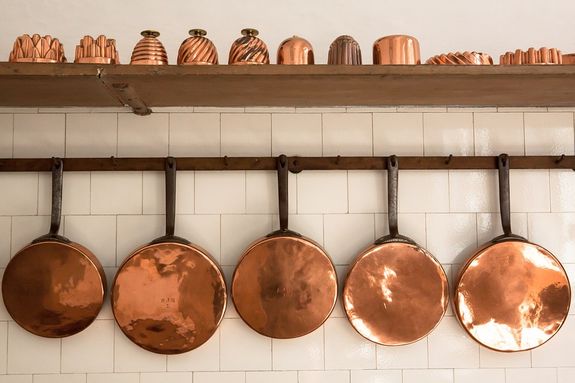
Huize Voorwijk is a distinguished mansion with outbuildings (building houses) on both sides that are connected to the house with a small circular wall. This gives the house a particularly beautiful...
-
The Wieker Meule
The Wieker Meule
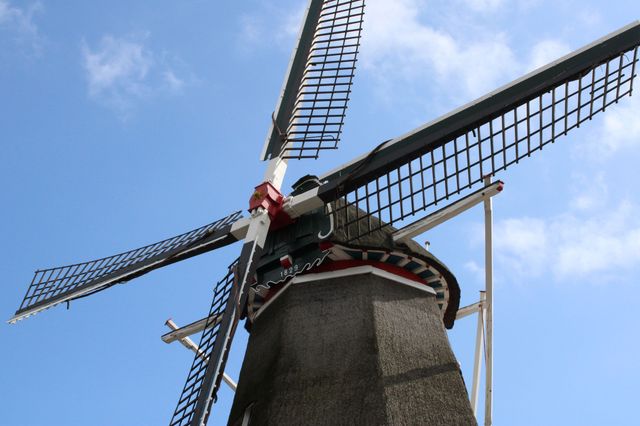
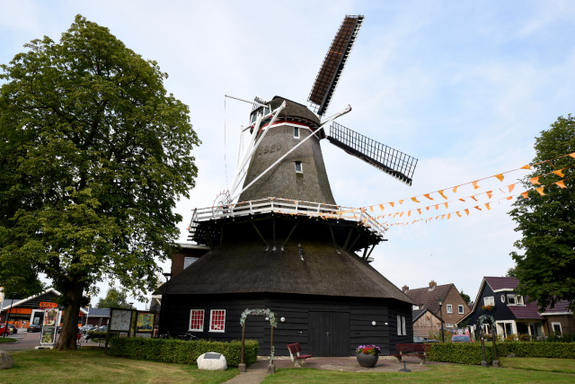
A popular spot for a photo shoot, this mill. It is also the hub of many activities in the village of De Wijk. The Wieker Meule has its origins in the 18th century. The 250th anniversary...
-
Dunninger Es
Dunninger Es
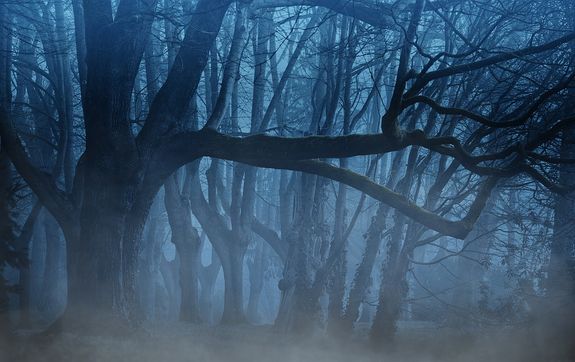
The havezate Dunningen is one of the most mysterious in Drenthe. Special to the history of Dunningen are the numerous relocations of the homestead. About the age of the associated ...
-
Church IJhorst
Church IJhorst
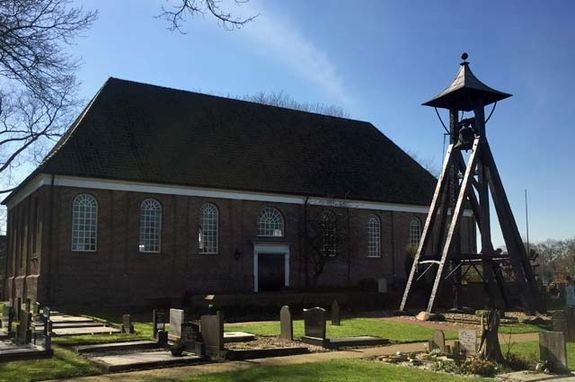
IJhorst's church was probably founded by the Zwarte Water monastery before 1292. The church is located in the old core, close to the Reest river. The church never had a tower, but it did have e...
-
Reest
Reest
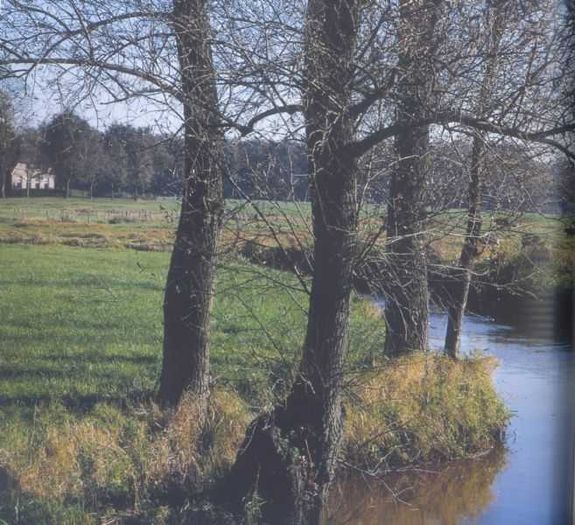
The Reest is a border river about 30 km long and meanders between the provinces of Drenthe and Overijssel. Slowly flowing and meandering, the Reest carries its water from Drogteropslagen near Dedems...
-
Dickninge estate
Dickninge estate
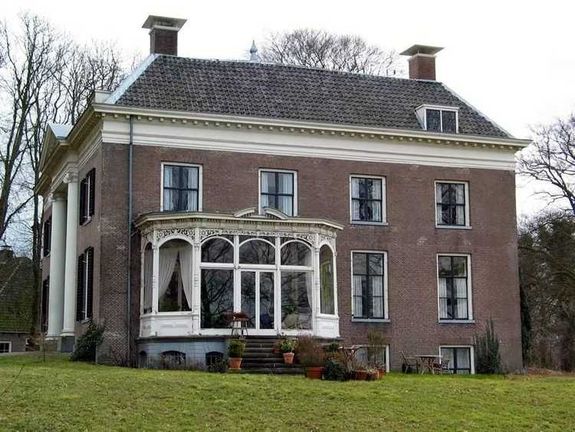
The 175-hectare English landscape-style Dickninge estate has an eventful history. In 1325, the monastery of Ruinen was moved to this site. From here, the churches i...
-
Tollhouse with toll gate cum keuterij
Tollhouse with toll gate cum keuterij
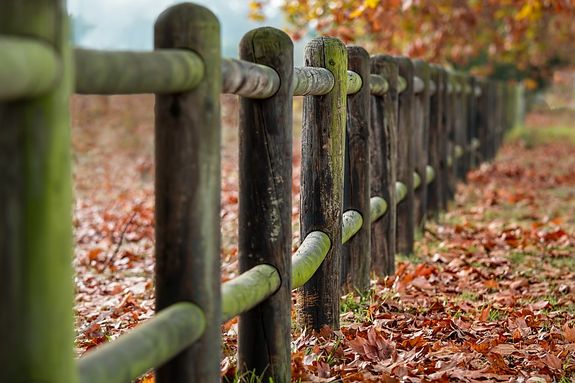
The Toll House is a national monument. In the past, the main road from Staphorst to De Wijk ran across the Dickninge estate. To supplement their income, the barons of the Vos van S...
-
Stork Outstation The Lure Station
Stork Outstation The Lure Station
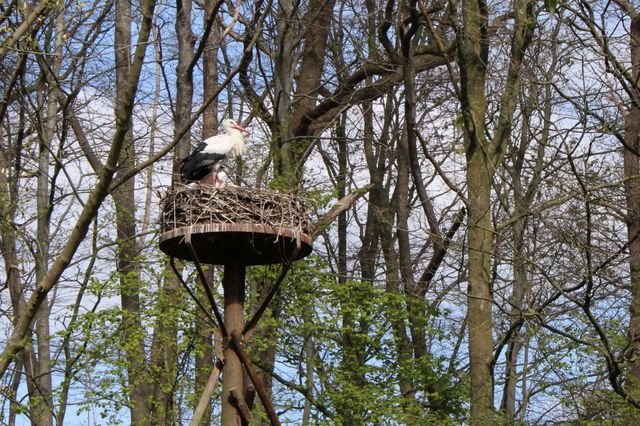
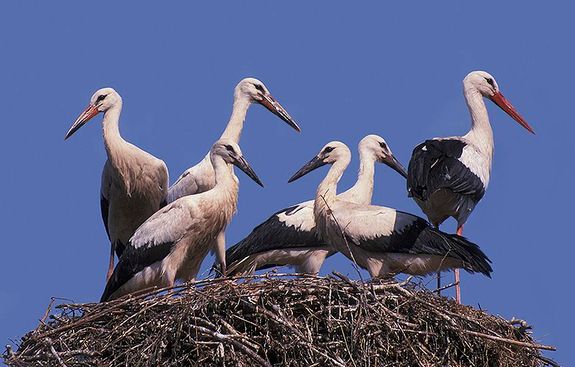
The stork is a characteristic bird that naturally belongs in the Netherlands. Yet it has all but disappeared. The Lokkerij near De Schiphorst (Dr.) has ensured that the stork has...
Description
Additional info
- The village of De Wijk is first mentioned in 1383. De Wijk is closely linked to the havezates De Havixhorst, Dikninge, Dunnigen and Voorwijk and to the village of IJhorst in Overijssel, located across the small river Reest. People used to say of De Wijk that it was a village without a church and of IJhorst that it was a church without a village.
- The walk starts at château hotel and restaurant De Havixhorst. The Havixhorst is a havezathe located on a country estate in the municipality of Meppel. The estate lies on the beautiful little river Reest. Farmers from Drenthe used to settle on the sand hills along this small river. The old farms soon surpassed each other in power and prestige. The richer in appearance and decoration, the more prestige. The Havixhorst is first mentioned in 1409 in the archives of Dickninge Abbey. The current country house dates from 1753 and was occupied by the noble De Vos van Steenwijk family until 1939. After that, it has had many changing, temporary uses. Restoration work began in 1979, after which it was put into use as a château hotel and restaurant in 1982. In 1982, the estate was bought by the Stichting Het Drentse Landschap, and many restorations and additions were made afterwards. The accompanying garden was redesigned in Baroque style. The garden of the manor is used as a herb garden for the restaurant and can be visited freely. At the Lutteke Havixhorst or 'De kleine Havixhorst' site on the edge of the estate is the information centre 'De Lokkerij' about storks.
- You leave The Havixhorst behind and walk towards De Wijk. On the way, you pass the former Meppel-Balkbrug tram line. The Spoorweg-Maatschappij Meppel-Balkbrug maintained the 21-kilometre-long steam tram line. Over a length of 14 kilometres, the line ran through Drenthe and the remaining seven kilometres were in Overijssel. The Spoorweg-Maatschappij Meppel-Balkbrug N.V. was founded on 28 September 1905. Passenger transport on the line ceased in 1934. On 10 May 1939, freight transport on the line was also terminated, marking the end. By September 1939, the railway had been completely dismantled.
- You pass Huize Voorwijk, which was built in the late 18th century by W. Tonckens. Around 1900, the house came into the possession of the De Vos van Steenwijk family. Both the house and garden cannot be visited.
- De Wijk is home to windmill the Wieker Meule. It is an octagonal tower mill dating from 1829. The mill is almost entirely thatched. For a long time (from 1926), the mill was owned by the Coöperatieve Landbouwbank and part of the ground floor served as a bank building at the time. From 1962, it was no longer used and fell into disrepair. In 1980, the mill underwent a thorough restoration and has been owned by the Wieker Meule Foundation since 1996. A room on the ground floor houses Tourist Info Het Reestdal.
- You leave De Wijk behind and continue walking in the outlying areas. Between De Wijk and IJhorst, there was another manor house called Dunningen. Unfortunately, not much is known of this manor house. Presumably it was no more than a fortified farm. This farm was demolished around 1650. The last house was demolished around 1800.
- The walking route takes you along the strongly meandering little river Reest as a borderline meanders between Drenthe and Overijssel and runs from Dedemsvaart to Meppel. The Reest has a fall of only 5 metres over a distance of more than 30 kilometres and the width of the Reest valley averages 100 metres. The peat river originates in the former peat bogs near Lutten. Around De Wijk, we see a number of fine manor houses and old farms on both sides of the Reest. At Dickninge, the Reest is the border of the estate. The Reest valley still has many special plant species. The kingcup flower, as well as rarities such as large burnet, northern sedge and marshartleaf are present.
- In the distance lies IJhorst, first mentioned in 1176 as a village with five farms along the Reest, two of which are probably on the Overijssel side. IJhorst's church is mentioned in 1292 and was dedicated to Sint Nicolaas. The present building dates from 1823. Under the choir is the burial vault of the Lords of Munster and dates from 1658. Buried in the crypt are the lords of De Havixhorst and the abbots of Dickninge monastery. Next to the church is a belfry on a foundation of boulders. Due to the construction of the monastery with church in Dickninge around 1325, there were close ties with the church in IJhorst. The story goes that there was a subterranean passage connecting the two churches. This corridor has not been found to date.
- The next estate presents itself during the walk: Dickninge estate. The 75-hectare English landscape-style Dickninge estate has an eventful history. In 1325, the monastery of Ruinen was moved to this spot and from here the churches in Beilen, Blijdenstein Ruinen and Westerbork were served. After 1580, probably due to the 80-year war, the monks had disappeared and in 1603 the monastery was dissolved. In 1795, Baron R.H. de Vos van Steenwijk became the new owner. He demolished all the old buildings and erected the current building, which was completed in 1813. The estate is home to several rare plants including cave root, wood anemone, spotted arum, snowdrop and muskwort.
- On the border of the estate is a small rustic house in the greenery, whose original purpose is quickly apparent. This is a toll house. The toll gate blocks the road. Walkers and cyclists can pass easily.
- Along the way, you will pass the stork outstation 'De Lokkerij Reestdal.' The name is misleading as no storks are 'lured' here. The name 'Lokkerij' is related to the Lokken family who ran a farm in the farmhouse for generations. Lokkerij therefore simply means 'Lokken's farm'. Walking back towards De Havixhorst, the 'Landgoederen De Wijk' walk is over. Settle down in De Havixhorst and enjoy this beautiful walk for a while.