
10 Village route Veenkoloniën
3 hours 21 minutes
(67 km)
Get on your bike in Hoogeveen and discover the traces of the peat-colonial past around Hoogeveen. To do so, follow the signposted route through 10 villages: Fluitenberg, Pesse, Stuifzand, Tiendeveen, Nieuweroord, Noordscheschut, Hollandscheveld, Nieuwlande, Elim and Nieuw Moscou.
Parking/public transport
Free parking is available at Hoogeveen Station. Address for navigation: Stationsplein 1, 7901 AA Hoogeveen. Would you like to get to the starting point of the route by public transport? From Hoogeveen station it is about 1 minute by bike to the starting point of the route. Plan your public transport journey here.
Signposting
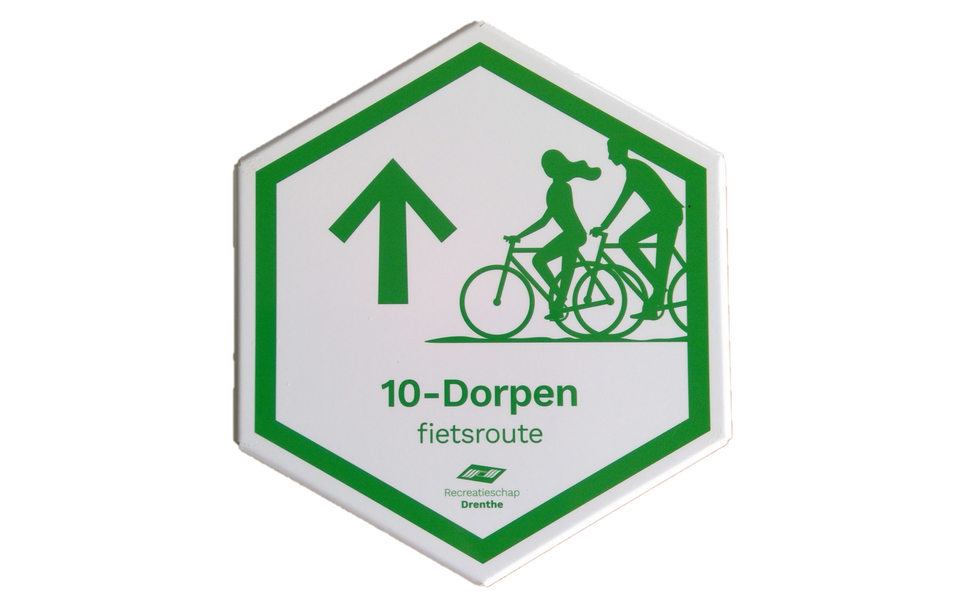
This route is signposted using white hexagonal signs with green printing. It is also possible to pick up the route using the signposts at other locations.
Food & drink
Would you like something to eat or drink during this cycle tour? There are plenty of catering establishments along the way, including in Hoogeveen and Hollandscheveld.
-
Example route sign
Example route sign
You are going to see this
-
31
-
34
-
71
-
8
-
9
-
20
-
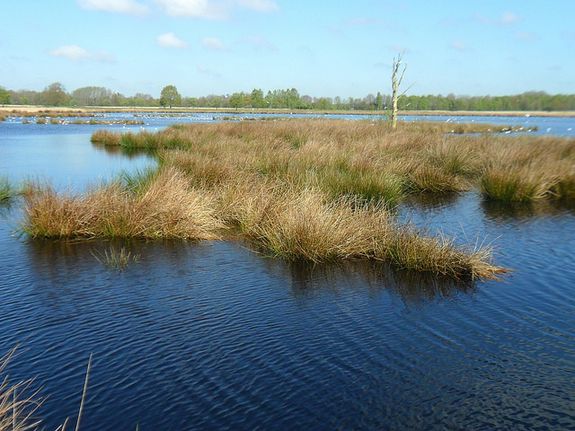
Boerenveen lakes
Boerenveen lakes
The wet heathland area, located north of Hoogeveen, covers 147 hectares and is characterised by numerous wet, peaty lowlands, fen complexes and peat pits. In it, rare species thrive...
-
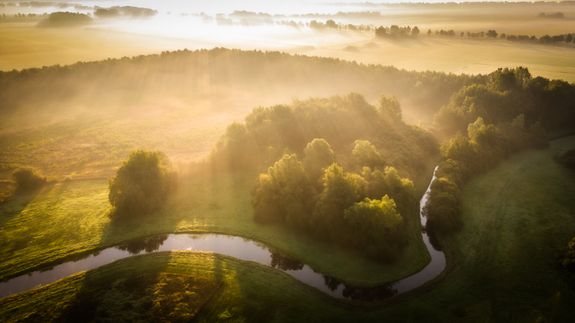
The Old Deep
The Old Deep
In nature reserve Oude Diep, you walk along a meandering stream surrounded by hay meadows, wooded banks and stream valley forest. The water finds its way from Mantinge towards Hoogeveen. By restoring nature and landscape, this stream valley has become a peaceful and varied walking area.
-
39
-
36
-
23
-
24
-
38
-
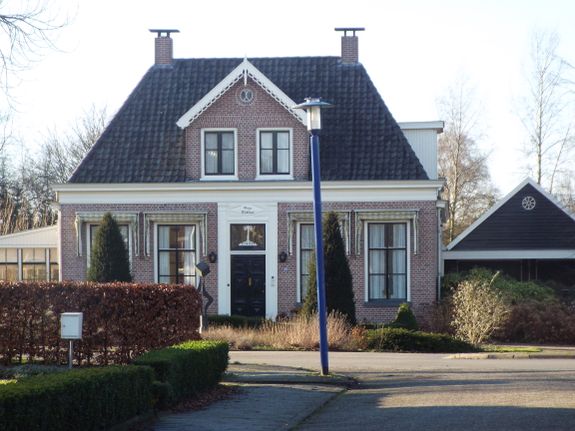
Huize Blokland
Huize Blokland
The family of Jan Coenraad Rahder later moved into the house near the lock: Huize Blokland. Year built: approx. 1860
-
37
-
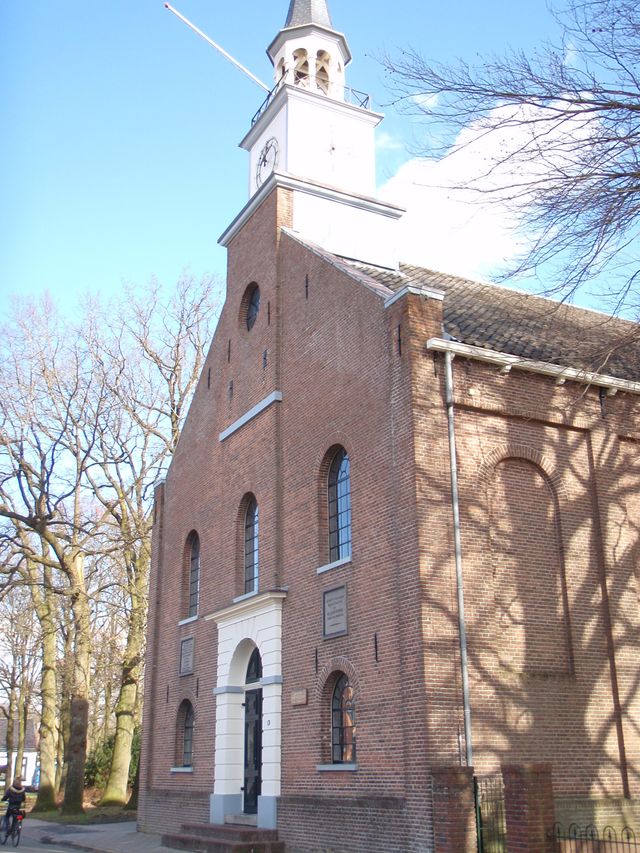
Reformed church Hollandscheveld
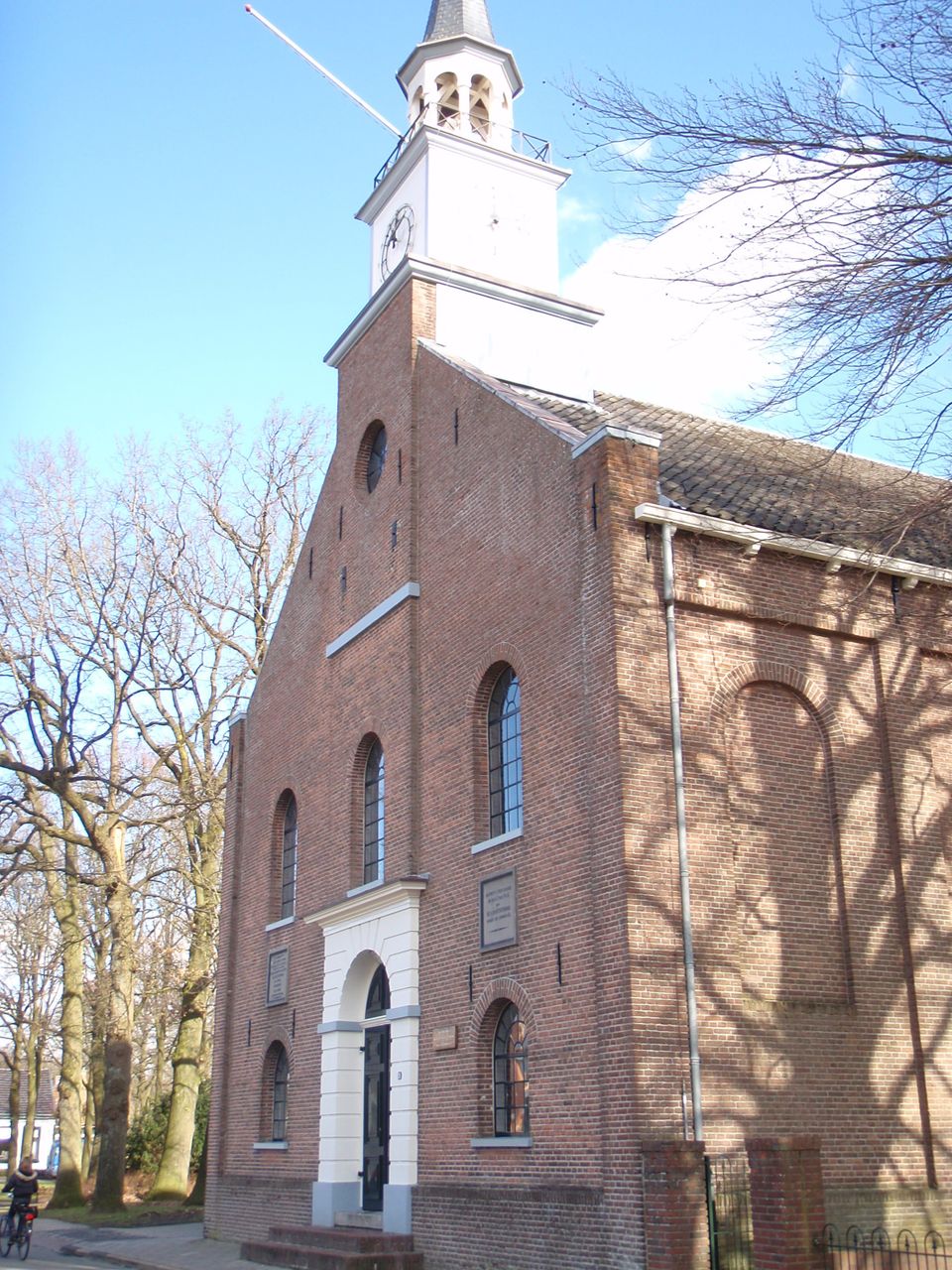
Reformed church Hollandscheveld
The Reformed Church is a neo-classical hall church with a façade tower from 1851 in the Drenthe village of Hollandscheveld. The church was designated a national monument in 1965.The hall church of zeve...
-
16
-
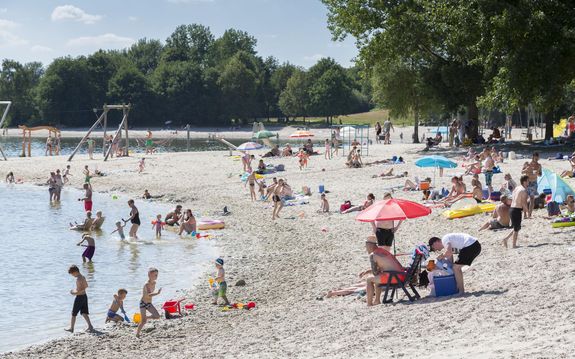
Schoonhoven swimming lake
Schoonhoven swimming lake
Zwemplas Schoonhoven is located between Elim and Hollandscheveld in a small nature reserve. The recreational lake has a beautiful sandy beach and sunbathing area with various sports and playing facilities, surrounded by a...
-
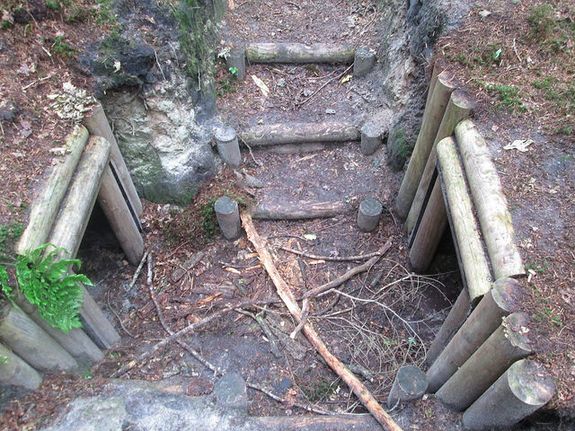
Hiding place Nieuwlande
Hiding place Nieuwlande
In the hiding den, where Johannes Post, among others, was held, most of the people in hiding were only temporarily hiding in the den until a hiding address was found. ...
-
14
-
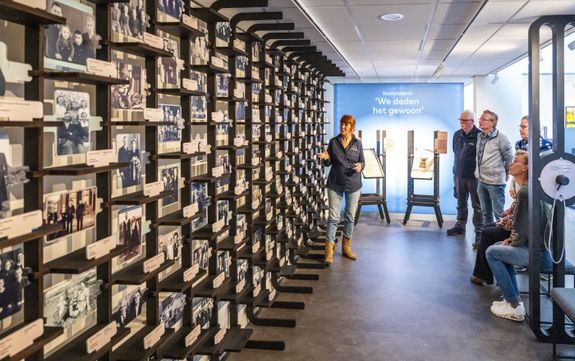
Hiding Museum de Duikelaar
Hiding Museum de Duikelaar
Nieuwlande is known for the many Jews who found a hiding place there during World War II. The village and its surroundings were presented with a collective Yad Vashem award.
-
50
-
52
-
Resistance Monument | Nieuwlande
Resistance Monument | Nieuwlande
A sculpture designed by artist Paul Hulskamp. There were three points of interest: The monumental form, it should express an intransigence and it had to reflect da...
-
-
19
-
91
-
15
-
13
-
12
-
33
Description
Additional Info
- Roelof van Echten was the founder of Hoogeveen. In 1625, he bought a large peat area near Zuidwolde. For the reclamation, the Compagnie van de 5000 Morgen (acreage) was founded and a canal with side canals was dug to open up this area. This is where Hoogeveen's origins lie. In the shopping heart of Hoogeveen (Hoofdstraat), the work of art 'De Cascade' meanders as a reminder of the canal.
- The first village you cycle to is Fluitenberg, which has probably been inhabited for a very long time. Indeed, 7 prehistoric burial mounds have been found nearby. The village was built on a mound of imperial sand created in the last Ice Age. Originally, the village was called Vleutenberg located on the little river Vleute, now called Oude Diep.
- Cycling northwards, you arrive in Pesse. A real Drents esdorp and already mentioned in 1141 as Petthe. The name comes from Peltha, meaning swamp area. During construction of the A28 motorway near Pesse, a hollowed-out tree trunk was found in the central reservation in 1955. A unique find as this turned out to be the oldest boat in the world. C14 dating showed that this tree trunk canoe dates from between 8200 and 7600 B.C. The canoe was preserved for so long because it had sunk into a riverbed in a peaty soil. It is on display at the Drents Museum in Assen.
- Leaving Pesse behind, you soon cycle through the reserve Boerenveensche Plassen. This reserve consists of a vast heathland area with large ponds and fens. It is an area that always looks different. Soaking wet and bone-dry alternate here. After this, you cycle through the stream valley of the Oude Diep with beautiful views and cross the Oude Diep. See how the stream meanders its way from the high middle of Drenthe to the edge of the province.
- Via Fluitenberg and Pesse, you then cycle through the stream valley of the Oude Diep with beautiful views. East of Hoogeveen, the peat-colonial, rectangular landscape becomes visible. From the 17th century, reclamation was started here. In the marshy peatlands, dead plants had formed a metre-thick layer of peat after hundreds of years. Thrown away and dried, the peat was called peat and used as fuel. For the benefit of the peat extraction, dykes and canals were built and this is where the settlements of the peat laborers arose, which later developed into today's villages.
- Stuifzand is the next village. The name says it all, well before the village's arrival, there was sand in this area. The first sand and heath reclamations took place in the 18th century and from around 1850 the first residents settled here.
- Towards Tiendeveen, the peat-colonial past begins to become visible in the landscape through the rectangular parcelling of land. Tiendeveen is a vast peat village that arose at the junction of the Linthorst Homanaal canal and the Drijberse Hoofdvaart. From 1830, excavation of the peat began and the first inhabitants settled there. After the digging, forests were planted on the reclaimed land. Some remnants of these still remain, including the forest 'Kremboong'. The present-day Tiendeveen dates from around 1926.
- Now for some mileage to arrive in Nieuweroord. In 1849, several gentlemen from Amsterdam and Utrecht bought the Westerborker Broekvenen and the Mekelermeersche Veen, together 1400 hectares in size. They founded the Maatschappij tot Exploitatie der Westerborker Broekvenen. They had a house built here, which was named 'Nieuweroord' and was occupied by one of the investors: Jan Coenraad Rahder, wine merchant in Amsterdam. The village of Nieuweroord developed around this house. The house was demolished in 1919.
- A little further away is Noordscheschut. The village is bisected by the Verlengde Hoogeveensche Vaart and is named after a lock built in 1766 between the Noordsche Opgaande and the Hoogeveensche Vaart. Noordscheschut owes its origins in the middle of the last century to the peat-cutting activities of the peat-cutter Jan Coenraad Rahder. His family later moved into the house near the lock: Huize Blokland. This house from 1861 still stands. You can listen to the history of the village at the storytelling pole located over the lock, directly on the right.
- Cycling south, you will arrive at the largest village on the route: Hollandscheveld. Take advantage of one of the catering establishments here to take a short break. This village owes its name to the wealthy Dutchmen who started mining the peat in this area from the 17th century. In the 1960s, Hollandscheveld gained national fame because of Hendrik Koekoek. He was leader of the Peasant Party in the Lower House of Parliament, which was experiencing great growth at the time. This growth was mainly due to the 1963 peasant uprising in Hollandscheveld. At the intersection 't Hoekje-Zuideropgaande you will also find a storytelling pole. Opposite, you will see the Reformed Church, a neo-classical hall church with a façade tower from 1851.
- Between Hollandscheveld and Nieuwlande, you cycle past recreation area Schoonhoven. Stop here to enjoy an ice cream while paddling or sit on the small beach by the water. In the early 19th century, forests were planted here on the reclaimed land, which are now among the oldest in Drenthe.
- Now back on the bike to Nieuwlande. Nieuwlande came into existence in the late 19th century due to peat extraction at a junction of canals. During World War II, the village had many people in hiding. Johannes Post was the driving force behind the resistance. Nieuwlande is 1 of 2 villages in Europe to have received the State of Israel's Yad Vashem award in thanks and recognition for their help to those in hiding. The monument with the award is a brick wall with an arch in the middle and is located on Brugstraat. Next to this memorial is also the resistance memorial. Hiding Museum 'De Duikelaar' shows, among other things, the private collection of Jo Schonewille. In the woods on Johannes Poststraat, opposite Johannes Post's former farm at number 17, is the hiding place.
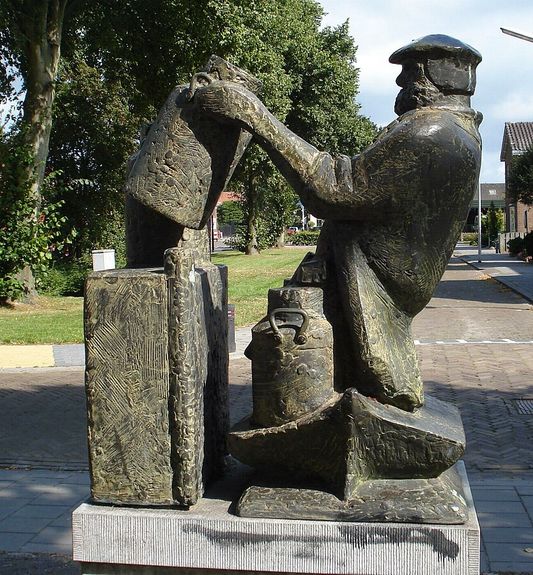
- On the way to Elim, you look far across the vast farmlands. Elim got its current name in 1915 and is derived from the Old Testament. Elim was the oasis where the Israelites stayed after their journey through the Red Sea. On the Brink is the statue of the Pullevaarder. He collected the pullen (milk cans) from farmers every day and brought them to the dairy factory in Hoogeveen. On Pulling Day, the first Thursday of the month, farmers went to the factory to collect the pulp money. After this, they did their shopping in Hoogeveen. In the summer months, Hoogeveen holds Pull Day, a market with various activities, on Thursdays in the city centre as a tradition.
- The last and most remote village is now coming into sight: New Moscou. This village was founded in the 19th century and, due to its remote location, named after the Russian capital.
- Finally, there is a long bike ride back to Hoogeveen, where you can reminisce about this special bike ride on one of the many terraces.
- 31
- 34
- 71
- 8
- 9
- 20
- 39
- 36
- 23
- 24
- 38
- 37
- 16
- 14
- 50
- 52
- 19
- 91
- 15
- 13
- 12
- 33