
National Park Dwingelderveld
National Park Dwingelderveld - The largest quiet wet moorland in Western Europe
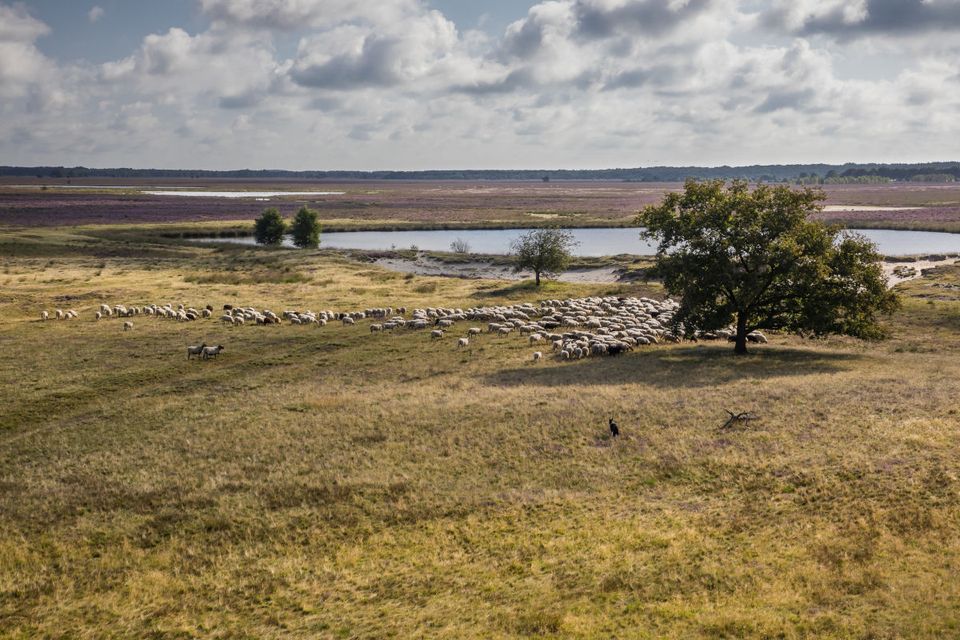
Drentse heath sheep graze left and right. A pine marten cub gets climbing lessons from its parents. You watch it, sitting with your back against an old tree. You get down on your knees - it doesn't matter that you get wet and dirty - to marvel at a viper or orchid hidden among the heather. From the bird-watching hut at the Davidsplassen you can see the Netherlands' rarest breeding birds. And you might even hear the unique call of a crane flying overhead.

Silence, vastness, heathland to the horizon, varied woods, shifting sands and dozens of beautiful fens. Time seems to have stood still here. You imagine yourself in another world in the Dwingelderveld, Western Europe's largest quiet wet heathland area. No wonder it is home to many special plants and animals.
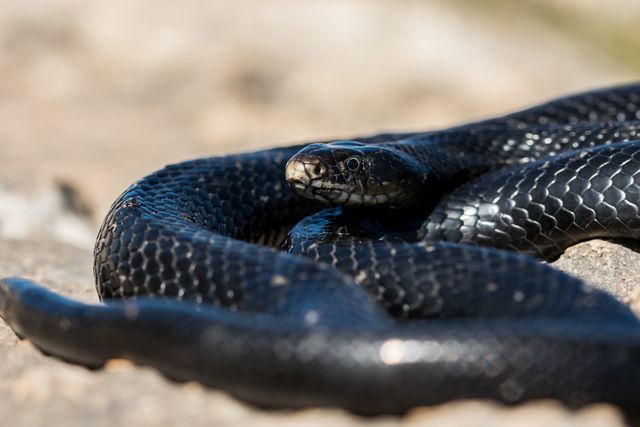
For instance, the area is a paradise for butterflies and reptiles. Those who are very quiet may see a grass snake or viper slithering away or hear the unique call of the crane.
Visitor centre Dwingelderveld
The visitor centre at de Benderse in Ruinen is the ideal starting point to discover this authentic Drenthe landscape. As soon as you enter, you immediately notice the large map made from the wool of the Drentse heath sheep; a real eye-catcher that shows how vast and special this area is.
Here you can ask all your questions about hiking, cycling or bird watching. The team is happy to provide tips and itineraries to make your visit optimal.
Activities are regularly organised for young and old, from bird excursions and theme walks to winter snert walks. There are also special programmes for groups, schools or children's parties.
Read more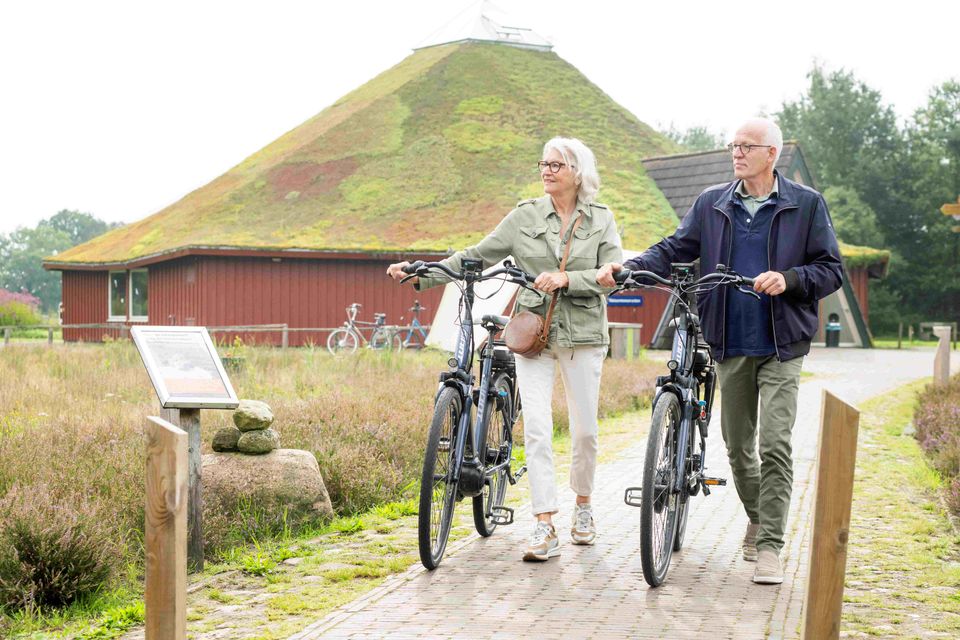
The most beautiful routes in the Dwingelderveld
What you really should not miss!
-
Sheep herds
Sheep herds
There are no fewer than two sheep herds with shepherds who keep the heath in condition. At the sheepfolds in Ruinen and Lhee, you can watch a shepherd take his sheep out onto the heath every day in the summer months. It is a beautiful sight to see and hear the hundreds of sheep, accompanied by some fanatical border collies and of course the shepherd.
Read more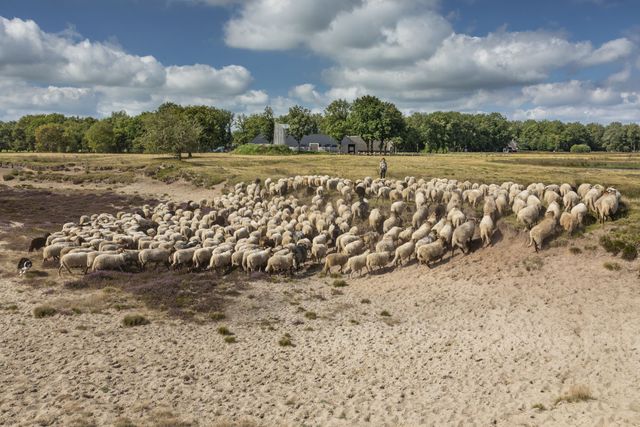
-
Dwingelderveldroute
Dwingelderveldroute
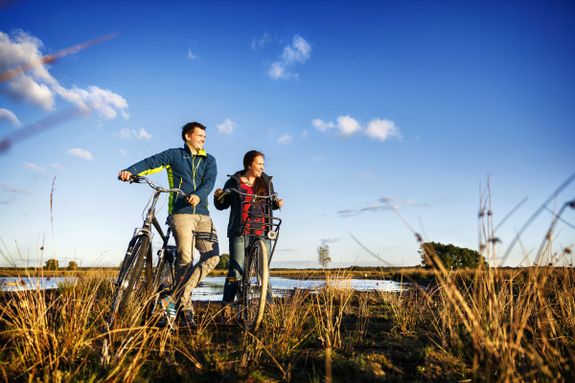
The Dwingelderveldroute was voted the most beautiful cycling route in the Netherlands in 2024 and 2025 by Fietsnetwerk. 46 km straight through the Dwingelderveld National Park, past heathland, forests and picturesque village greens.
View route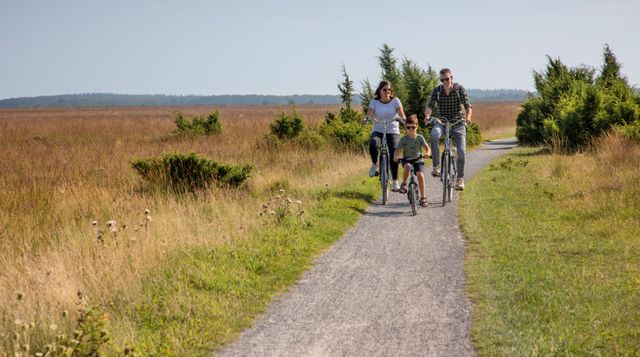
-
Davidsplassen
Davidsplassen
At the Davidsplassen you will find a bird-watching hut with a beautiful view over the water. Here you can spot terns, ducks, swallows, roe deer and foxes, among others.
More information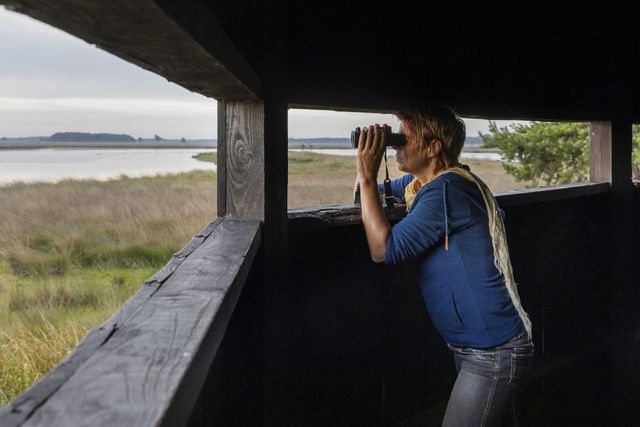
-
Watch tower Dwingelderveld
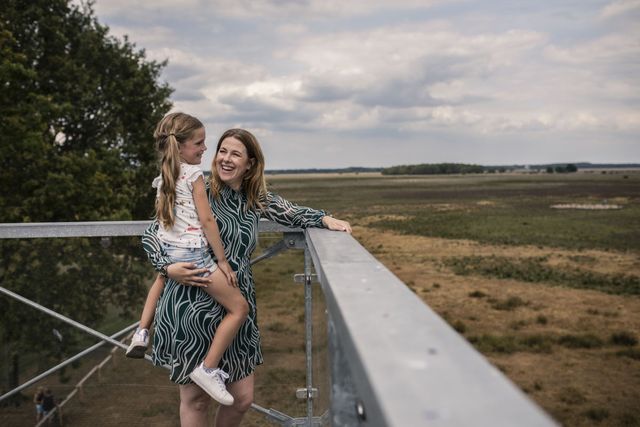
This watchtower is right next to the sheepfold in Ruinen. The tower stands on a hill and rises nine metres above ground level. Those who climb the tower are rewarded with stunning views of the heaths and fens of National Park Dwingelderveld.
Spot the Big Five of Drenthe! - of the Dwingelderveld
-
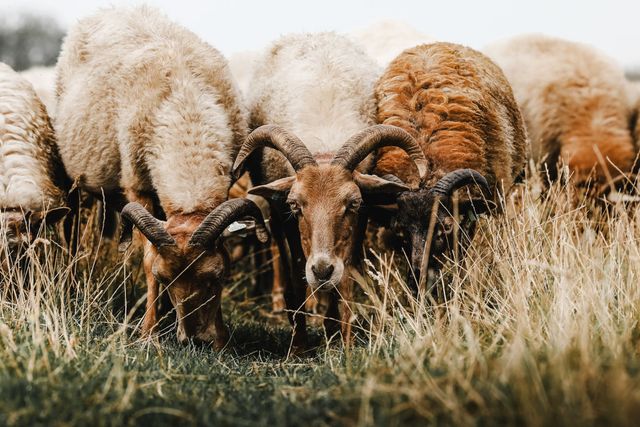
1. Drents Heideschaap
-
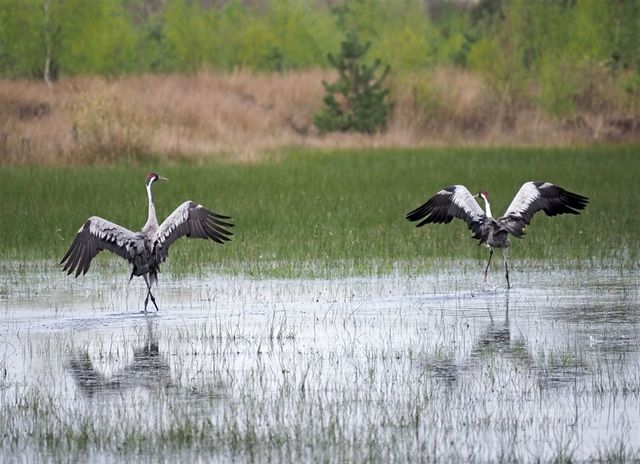
2. Crane
-
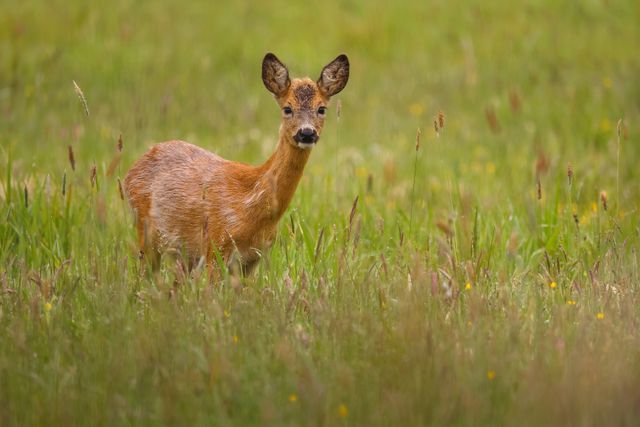
3. Ree
-
4. Adder
-
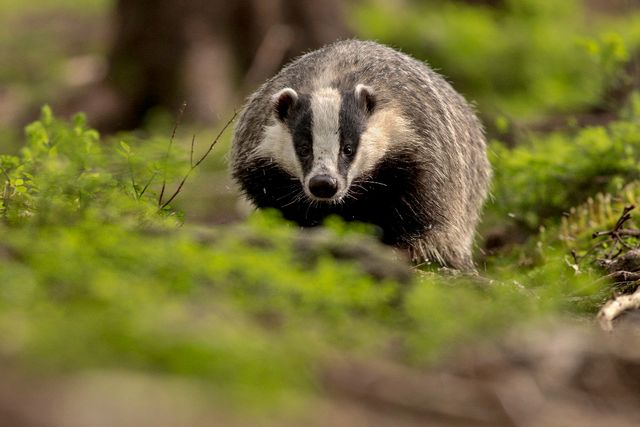
5. Das
National Park Dwingelderveld on the map
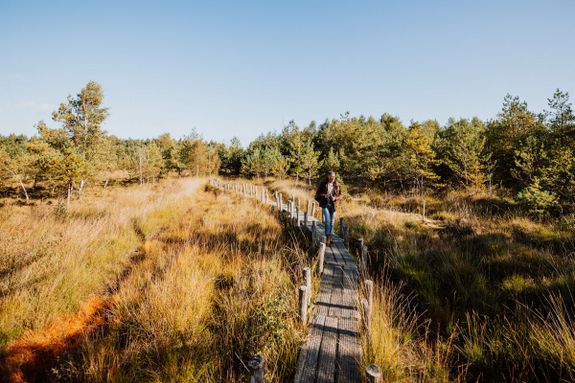
For many visitors, the Plankenpad near Spier is the most beautiful and unique walking route in Dwingelderveld National Park. This route is known for its varied landscape and the section of boardwalk that takes you right through the wet heathland.
The Plankenpad is popular because it allows you to see a wide variety of landscapes in a short space of time. You walk through woodland, along sandy paths and then across wooden walkways through a wetland nature reserve. This contrast sets the route apart from many other walks in the park. The section along the wooden walkways in particular is often cited as a highlight.
The route starts at Spier, close to the A28 motorway and the Boslounge. From there, you follow a signposted route of around 5 to 7 kilometres, depending on the variant you choose. It is an accessible walk that takes you into the heart of nature relatively quickly.
For cyclists, there is another crowd favourite: the Dwingelderveldroute. This is one of the best-known cycle routes in the Netherlands and runs past the most beautiful parts of the national park and the surrounding villages. The route is popular for its variety of heathland, woodland and open countryside, and is often cited as one of the country’s most beautiful cycle routes.
For those who want more choice from a variety of routes, there are many more walking and cycling options in the Dwingelderveld. On the routes overview page, you’ll find all the signposted walks and cycle routes in the area.
At Dwingelderveld National Park, there are several places to park, depending on where you wish to enter the area. The best-known car park is at the Dwingelderveld Visitor Centre in Ruinen, which is often used as the main entrance.
In Spier, you can park at the Boslounge Information Centre (Natuurpoort Spier). This is one of the main entry points to the area. Several walking routes start from here, including the well-known family trail and routes towards the Holtveen and the vast heathland. Thanks to its location right next to the A28, this is one of the most popular starting points for visitors exploring the Dwingelderveld for the first time.
At Lhee/Achter ’t Zaand, there is a car park near the sheepfold and the family trail. This is a quieter starting point on the eastern side of the area. From here, you walk straight onto the heathland and pass flocks of sheep and ponds. This starting point is particularly popular with walkers looking for a more peaceful and open route.
Most car parks are free and are situated right next to walking and cycling routes. From all starting points, you’ll find yourself in the heart of nature within minutes.
There are several holiday parks and accommodation options around Dwingelderveld National Park, particularly in the areas around Ruinen, Dwingeloo and Spier. Here, you’re never far from nature and often even within walking or cycling distance.
The region is home to larger holiday parks, as well as small-scale bungalow parks, nature campsites and many private holiday homes and B&Bs. Locations on the edge of the woods or heathland are particularly popular.
The advantage of staying in this area is that you have direct access to walking and cycling routes. Many accommodation providers also cater to this, offering routes starting right on your doorstep or bike hire.
This makes it an ideal area for a peaceful nature holiday, where you don’t have to travel far between activities.
The heather in Dwingelderveld National Park is usually in bloom from mid-August to mid-September. It is often at its peak around late August and early September, when the landscape turns its deepest shade of purple.
As the Dwingelderveld is a large, wet heathland area, the intensity of the flowering can vary from place to place. Some parts come into colour earlier or slightly later, depending on the soil and the microclimate.
The exact timing also varies from year to year. Warm summers often result in slightly earlier flowering, whilst cooler periods can delay it.
For the best experience, it’s advisable to visit early or late in the day. The light is softer then, and you’re more likely to spot animals such as roe deer or flocks of sheep in the fields.
Dogs are allowed in Dwingelderveld National Park, but must be kept on a lead in most areas. This is important to protect the natural environment and other visitors.
The area is also home to flocks of sheep and wildlife. It is particularly important that dogs are kept on a lead near the sheep, as this can cause disturbance.
There are a few off-leash areas where dogs are allowed to run freely, but these are clearly marked with signs and are mainly located on the edges of the park.
For dog owners, the forest edges and quiet paths are particularly suitable, provided that the lead rules are followed.
The best-known cycle route in and around Dwingelderveld National Park is the 46-kilometre Dwingelderveldroute. This route starts in Dwingeloo and takes you through one of the most beautiful natural landscapes in the Netherlands. Along the way, you’ll cycle past vast heathlands, fens, woods and characteristic Drenthe villages. The Dwingelderveldroute was voted the most popular cycle route in the Netherlands in a national poll and remains a favourite among recreational cyclists.
As well as this route, there are plenty of other lovely cycling options in and around the Dwingelderveld:
- Dwingeloo – VAM-berg cycle route – a varied route featuring nature, villages and the climb up the VAM-berg.
- Dwingelderveld – Drents-Friese Wold (approx. 84 km) – a long route passing through several nature reserves, including Dwingelderveld National Park, the Drents-Friese Wold and Lake Canada.
- Dwingelderveld Cycle Route (audio tour) – a route where you can listen to stories about the landscape, nature and history of the area as you go.
All routes can be followed via cycle junctions and/or signposted route markers. Dwingeloo and Ruinen are popular starting points, with ample parking and places to eat and drink nearby.
Dwingelderveld National Park is actively grazed by Drenthe heath sheep from two different flocks. These sheep play an important role in the management of the heathland. By grazing, they prevent the area from becoming overgrown with grass, trees and shrubs, thereby preserving the characteristic heathland landscape.
- Ruinen Sheep Flock – This flock consists of more than 700 Drenthe heath sheep and sets off daily at 09:30 from the sheepfold in Ruinen to the heath. Next to the sheepfold, you’ll also find a watchtower offering views across the Dwingelderveld.
- Achter 't Zaand sheep flock – This flock grazes on the eastern side of the Dwingelderveld. Every day, the sheep set off from the sheepfold near Lhee with the shepherd into the nature reserve. Would you like to see the flock off and watch them return? Then check the chalkboard by the sheepfold. The shepherds write on it what time they’re leaving and returning.
Both sheepfolds are easily accessible and are popular starting points for a walk through Dwingelderveld National Park. You’re particularly likely to come across the shepherd and his flock in the morning and late afternoon.
The Dwingelderveld is home to many remarkable animals. You may come across Scottish Highland cattle, Drenthe heath sheep, roe deer and foxes. The nature reserve is also a favourite spot for birdwatchers. The Dwingelderveld is known as one of the best areas in Drenthe for spotting cranes. These impressive birds have been breeding in the area for years and attract many nature lovers to south-west Drenthe every year. In addition, there are countless other bird species that you can discover whilst on a walk or cycle ride through the national park.