


Route of Happiness
2 hours 58 minutes
(54 km)
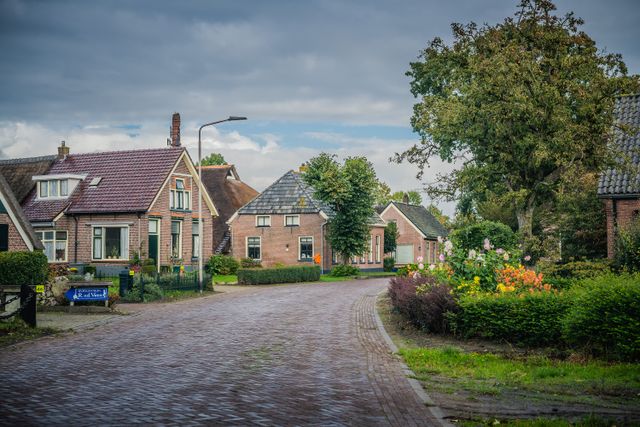
Remarkable and inviting is the happiness that Meppel residents know how to find here. In Meppel, life is good and that happiness is only too happy to be shared with you. Get on your bike and ride the 'Route of Happiness'. On the way, you will pass more than 50 characteristic, hospitable, green and special places. Explore and experience the happiness of Meppel for yourself. Have fun cycling and discover the happiness of Meppel!
Parking/OV
Parking is available at Meppel Station, where you can also travel by public transport.
Signposting
The route is not signposted. You can download it via the 'Download' button at the top. Please note that the route is not very detailed. You can shorten the route yourself.
Food & drink
Would you like to have something to eat or drink during this cycle tour? You can do so at various catering establishments in Meppel, Nijeveen and Rogat.
You are going to see this
-
Meppel railway station
Meppel railway station
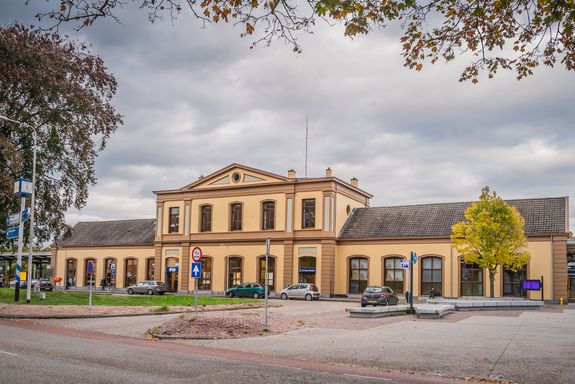
Meppel station building was built in 1865 and officially opened on 1 October 1867. This happened with the opening of the Zwolle-Meppel railway line. Anyone travelling today from...
-
Listening Stone
Listening Stone
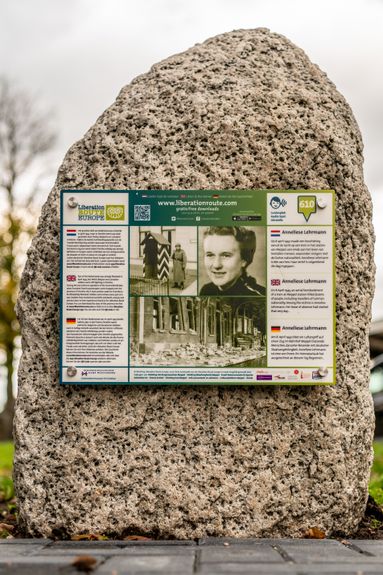
The Drentse kei in front of Meppel railway station is a 'Listening Stone' and part of the Liberation Route of which Meppel is part. When you scan the QR code, you can listen to the impressive...
-
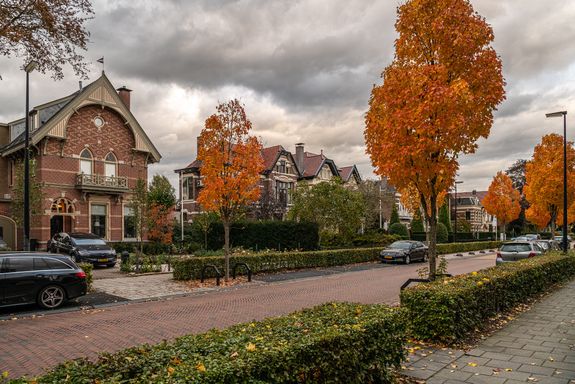
Art Nouveau buildings
Art Nouveau buildings
A feast for the eyes! Meppel has numerous Jugendstil buildings. This architectural style, also known as Art Nouveau, pays particular attention to stylised and decorative elements. The main k...
-
Wilhelmina Park
Wilhelmina Park
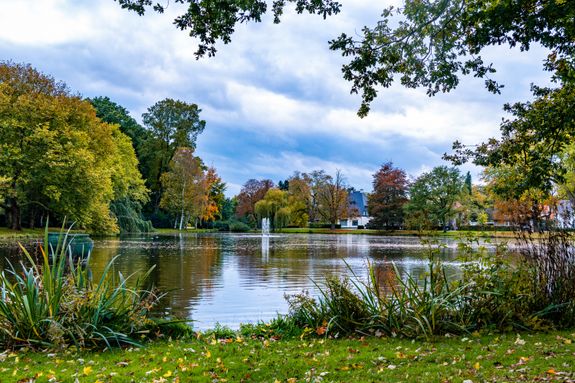
Wilhelminapark brings together nature, art and history. The design of the park, created between 1915 and 1922, is by renowned garden architect Leonard Springer. It is fantastically beautiful here.
-
Tea Dome
Tea Dome
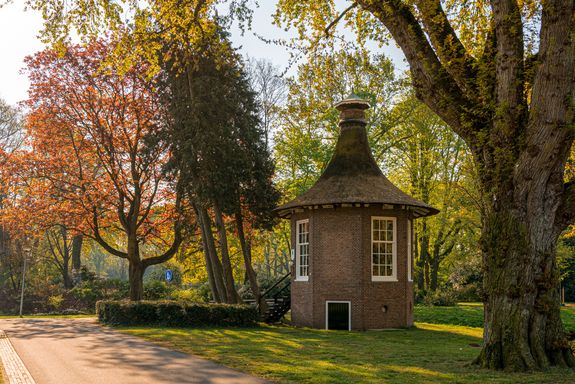
The characteristic tea dome in Wilhelmina Park is octagonal and has a thatched roof. Built around 1840, it was intended at the time as a resting place, to drink tea or play billiards. He...
-
Ogterop theatre
Ogterop theatre
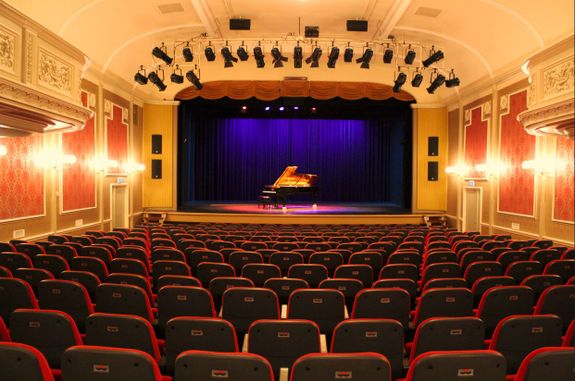
At Schouwburg Ogterop, no day is the same. From cabaret to theatre, youth and family shows to classical music, musicals and pop concerts, every year there are over a hundred different...
-
Wevershoek | Keizersgracht/Heerengracht
Wevershoek | Keizersgracht/Heerengracht
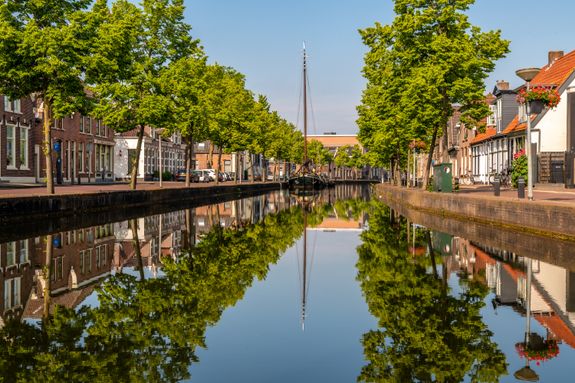
Keizersgracht is also known as Weavershoek. At the peak of the weaving industry, some 700 looms stood here and Meppel had a large number of weavers.
-
Steamboat Quay
Steamboat Quay
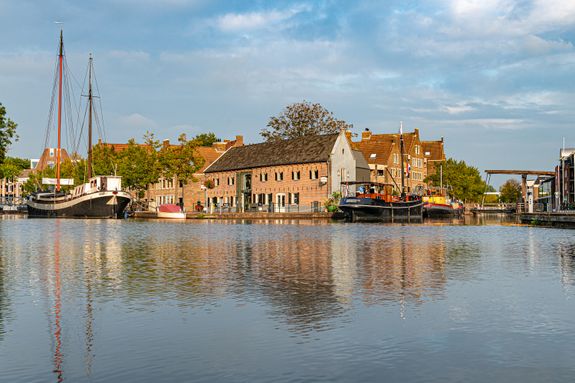
One of the best preserved pieces of Meppel's sailing past in the Stoombootkade. From the beginning, shipping has been important. Those who travelled by ship entered Drenthe via Meppel. Here...
-
Mill De Vlijt
Mill De Vlijt
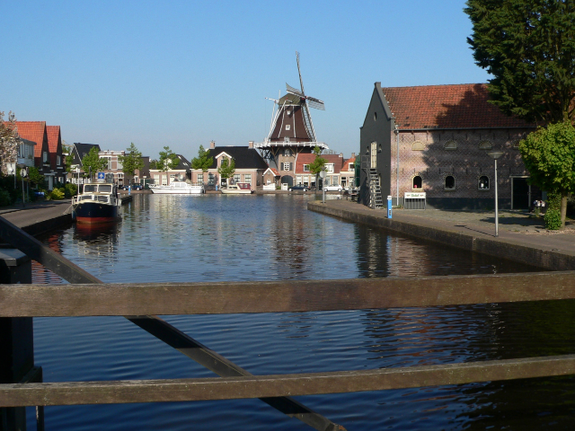
By the canal, you can see it from afar: mill De Vlijt. A real eye-catcher rising above the houses - and a popular spot for photos, especially from across the water.
-
Westeinde Marina
Westeinde Marina
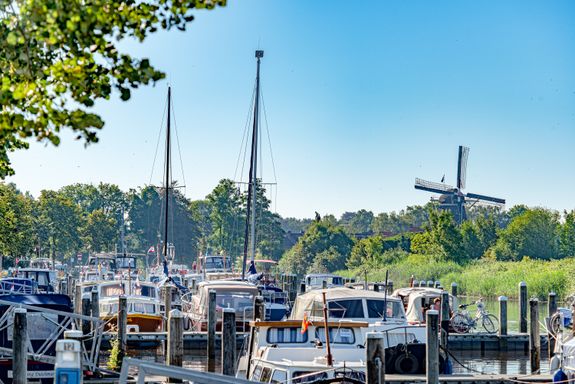
In the middle of the historic town centre is Jachthaven Westeinde. The perfect place for water sports enthusiasts who want to go out into the Overijssel lake district or via the Meppeler Diep and the Dre...
-
Cape Bridges
Cape Bridges
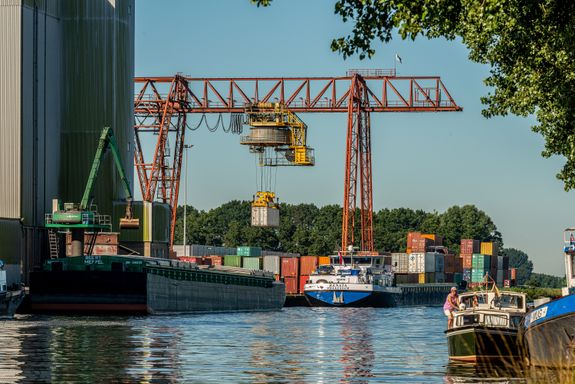
The Cape Bridges are two distinctive bicycle bridges. One connects the Meppeler Diep with the Drentse Hoofdvaart and the other the Meppelerdiep with the harbour. They take their name from De Kaap. Ee...
-
Former Farmers' Bank
Former Farmers' Bank
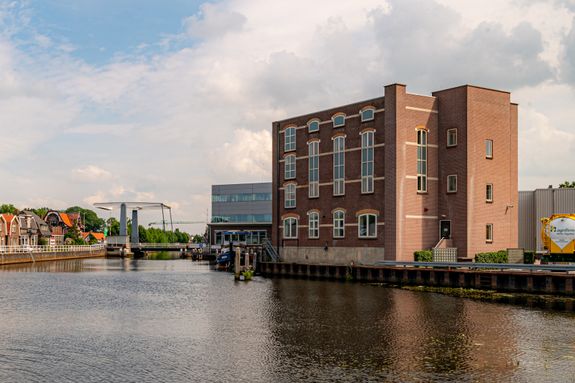
The historic Landbouwersbank building is part of Meppel's industrial heritage and the grain silo is a real eye-catcher. The 'Coöperatieve Landbouwersbank en Handelsvereeniging' was...
-
Water tower Meppel 1893
Water tower Meppel 1893
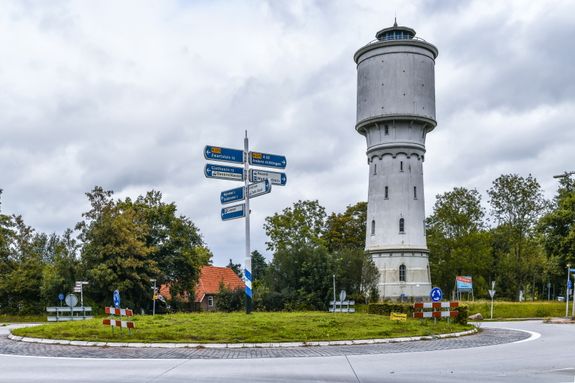
WATERTOREN built in Waterstaatsstijl from 1893. Meppel was the first of the four towns in Drenthe to decide to build a central drinking water supply. The Meppel water tower takes...
-
Lock Nijeveense Grift
Lock Nijeveense Grift
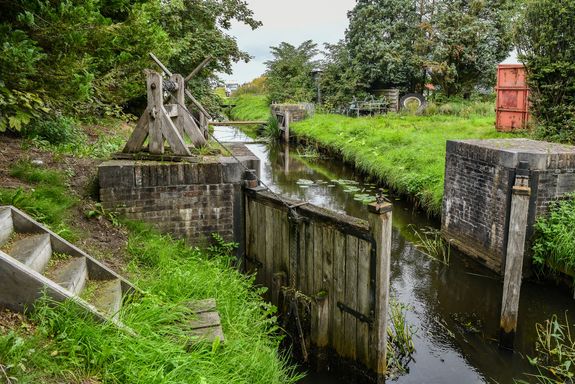
The Nijeveense Grift is the very oldest, dug waterway in Drenthe and runs right through the village of Nijeveen. Many a boat carrying peat sailed over De Grift to Meppel. Until the mid-19th century, it functioned as a...
-
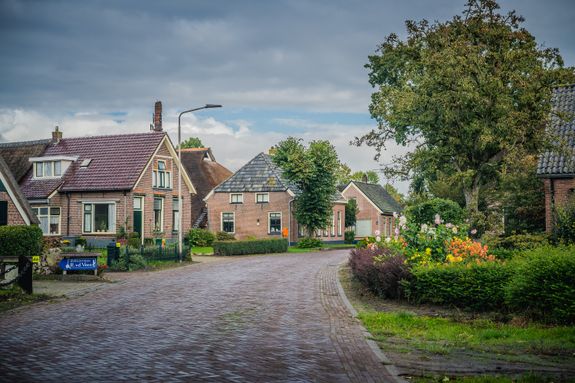
Nijeveen/Kolderveen
Nijeveen/Kolderveen
Welcome to Nijeveen. The village that originated on a sand ridge at the edge of the moor in the Middle Ages and became independent in 1477. The first inhabitants of Nijeveen settled on either side of...
-
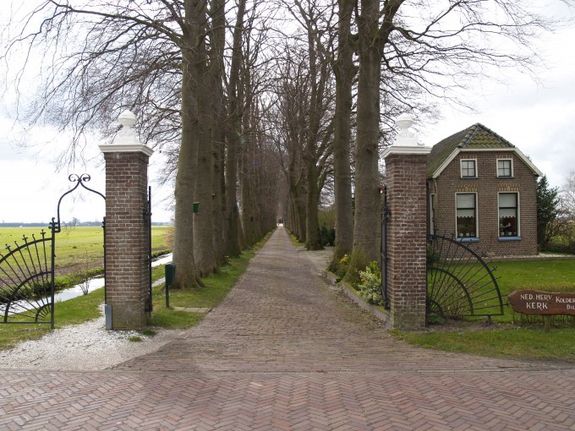
Kosterswoning Nederlandse Hervormde Kerk Nijeveen
Kosterswoning Nederlandse Hervormde Kerk Nijeveen
The driveway with entrance gate and the adjacent sexton's house, built around 1925, form a valuable ecclesiastical ensemble with the Dutch Reformed church built at the end of the driveway...
-
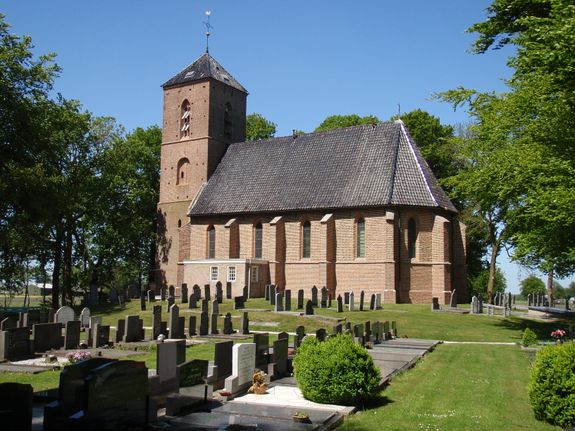
Dutch Reformed Church Kolderveen
Dutch Reformed Church Kolderveen
The church dates back to 1471, and in 1697 it received a bell. This was replaced by a new one in 1993. An organ was built for the church in 1869.
-
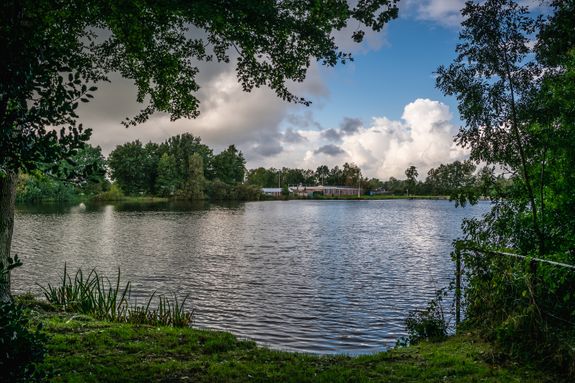
Tussenboerslanden | Nijeveense Plas
Tussenboerslanden | Nijeveense Plas
Recreational lake Tussenboerslanden, popularly known as Nijeveense Plas, is located northwest of the rural village of Nijeveen. Here, in fine weather, you can enjoy water and za...
-
Reformed Church Nijeveen
Reformed Church Nijeveen
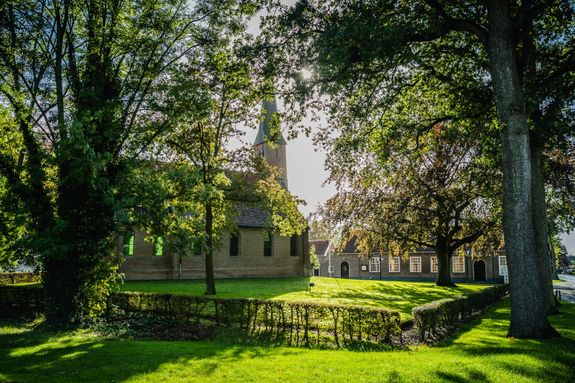
The Gothic church on Dorpsstraat was built around 1477 and has a half-built narrow tower.
-
War memorial Dorpsstraat Nijeveen
War memorial Dorpsstraat Nijeveen
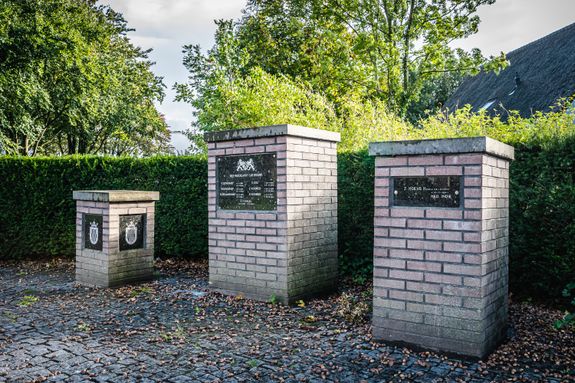
The war memorial commemorates seven members of the Nijeveen resistance who died during World War II. Five of them were killed as a result of an ammunition explosion on 9 April 1945....
-
Villa Kalkoven
Villa Kalkoven
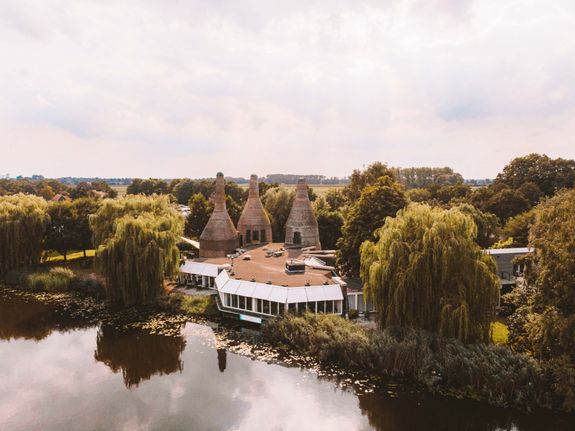
On the outskirts of Meppel along the Drentse Hoofdvaart canal is Villa Kalkoven. You are welcome here for parties, meetings, lunch, dinner and drinks.
-
Engelgaarde
Engelgaarde
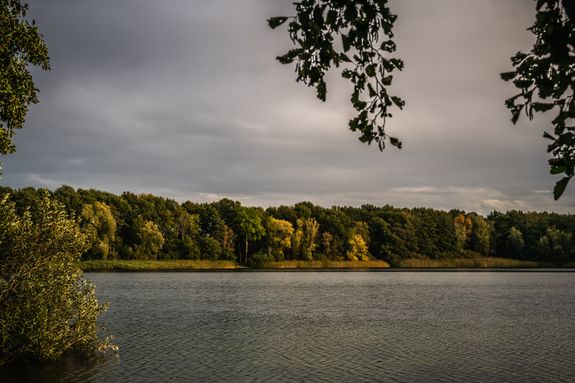
Engelgaarde is a beautiful area to cycle or walk through. Here you can enjoy rich flora and fauna. Find a nice spot and experience the peace and space. There are plenty of b...
-
Broekhuizen
Broekhuizen
The hamlet Broekhuizen has about 100 inhabitants and has been part of Meppel since the 1998 municipal redivision. The name Broekhuizen refers to brooks (lower and wet grounds with a...
-
Rogat lock
Rogat lock
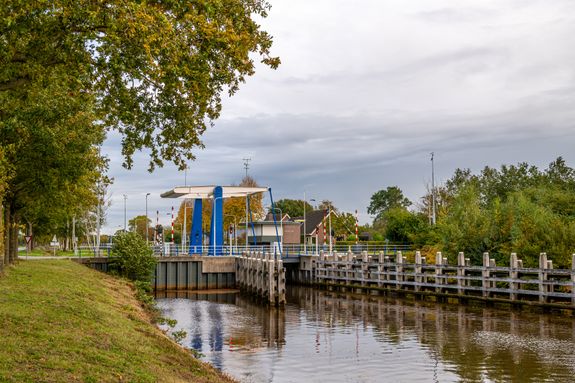
The Rogat Lock is one of three locks in the Hoogeveen Vaart. In the early 17th century, the Hoogeveense Vaart was built to connect Hoogeveen with Meppel by water. Between 1964 e...
-
Sculpture park the Havixhorst
Sculpture park the Havixhorst
In the idyllic Reest valley lies the country estate De Havixhorst with its Havezate, 18th-century gardens and Sculpture Park De Havixhorst. A unique combination of art and nature. In the sculpture garden of De Havixhorst,...
-
Stork Outstation The Lure Station
Stork Outstation The Lure Station
The stork is a characteristic bird that naturally belongs in the Netherlands. Yet it has all but disappeared. The Lokkerij near De Schiphorst (Dr.) has ensured that the stork has...
-
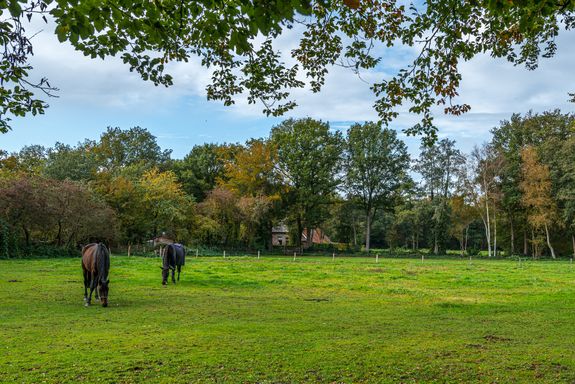
The Schiphorst
The Schiphorst
Neighbourhood De Schiphorst is known for its manor house De Havixhorst and on Schiphorsterweg is the stork station 'De Lokkerij'. It is located between the Reest valley and the village of De Wijk and has been in use since the...
-
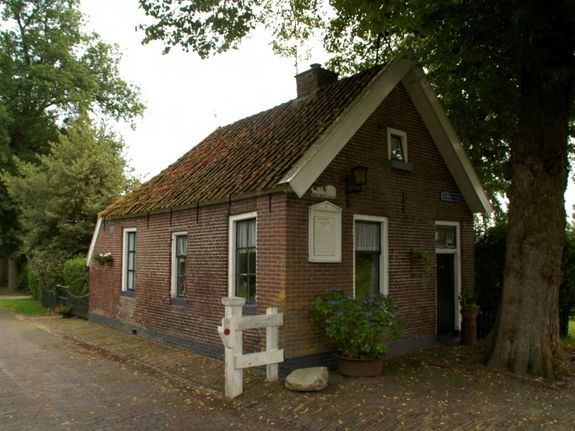
Tollhouse De Knijpe
Tollhouse De Knijpe
A TOLHUIS built around 1870 in a Craftsman-traditional style called 'De Knijpe'. The small house was built on De Wetering, an old thoroughfare along the Hoogeveen Vaart. In...
-
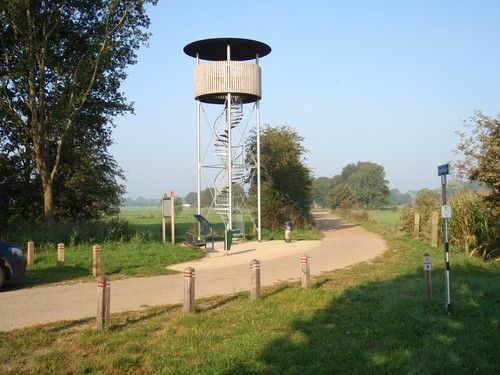
Lookout tower Reestdal (Meppel)
Lookout tower Reestdal (Meppel)
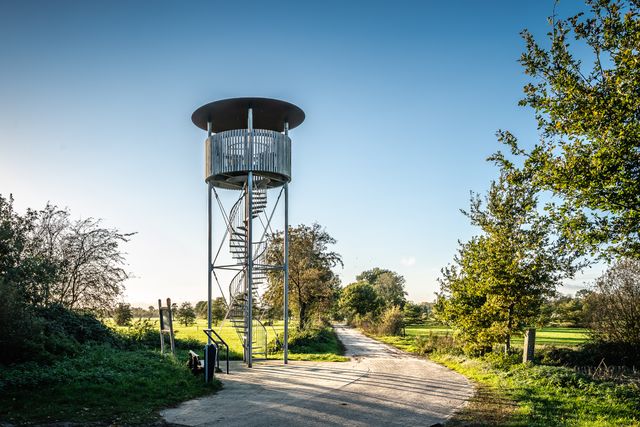
The observation tower gives you a nice view of the meandering Reest. You can see clear differences between the Staphorster agricultural allotment and the natural Reest valley. Meppel is also well...
-
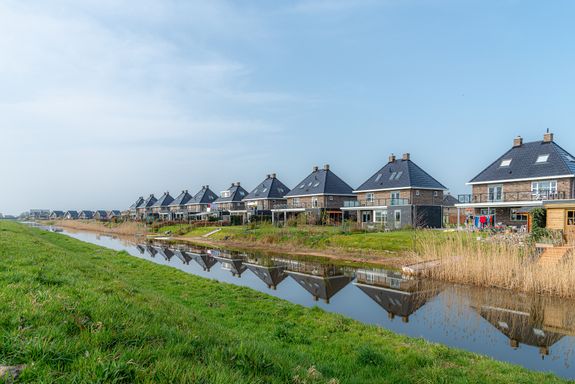
Wetland nature reserve Berggierslanden
Wetland nature reserve Berggierslanden
Green makes you happy! The new housing estate Berggierslanden is located on the south side of Meppel and has a natural and rural character with many water features. A healthy living environment with lots of di...
-
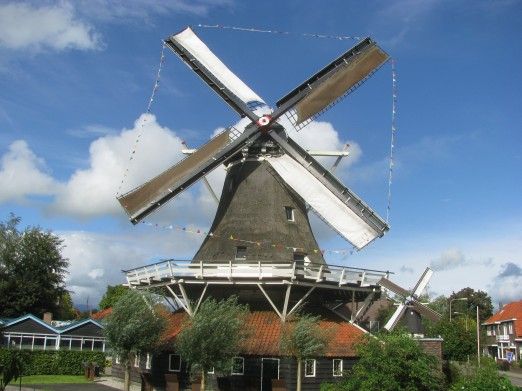
Mill De Weert
Mill De Weert
Molen de Weert in Meppel is a corn mill run by volunteers that can be visited every Saturday afternoon. It is a monument, more than 200 years old and the craft is demonstrated by the millers. You can watch, ru...
-
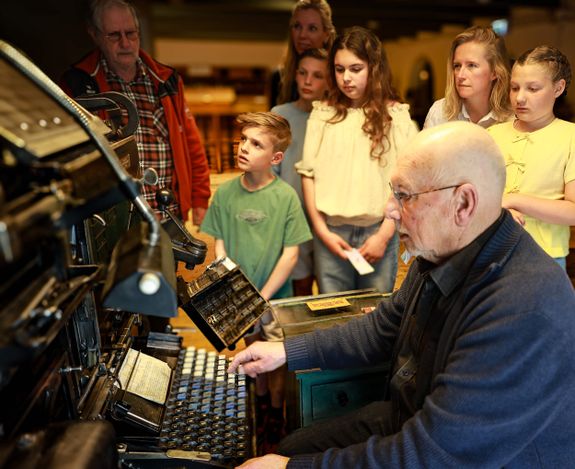
Museum Impression
Museum Impression
Step into the world of print and experience the craft up close. The smell of ink, drawers full of type and large machines that once brought newspapers, books and posters to life. Discover the stories behind the craft, admire historic printing presses and have a go yourself at Museum Indruk!
-
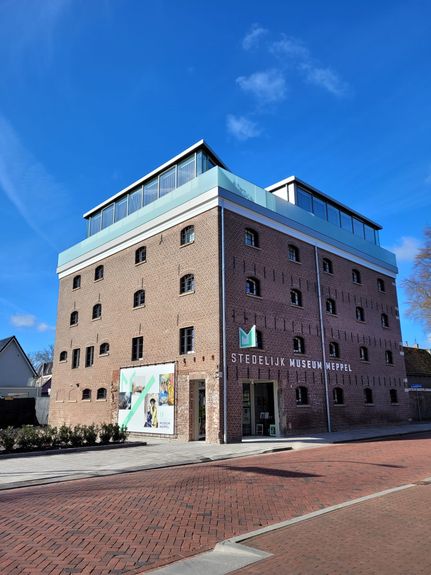
Municipal Museum Meppel
Municipal Museum Meppel
The Stedelijk Museum Meppel's permanent collection includes, historical silver, work by expressionist artist Stien Eelsingh. The permanent exhibition features puppets, hand puppets and masks. Temporary exhibitions feature contemporary art.
-
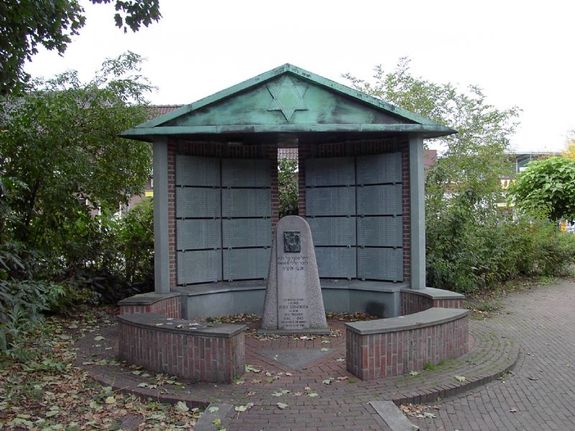
Jewish Monument Meppel
Jewish Monument Meppel
The Slotplantsoen is a quiet, green place - but with a special story. One of the most impressive spots is the Jewish monument. This monument commemorates the Jewish inhabitants of Meppel who were deported and murdered during the Second World War.
-
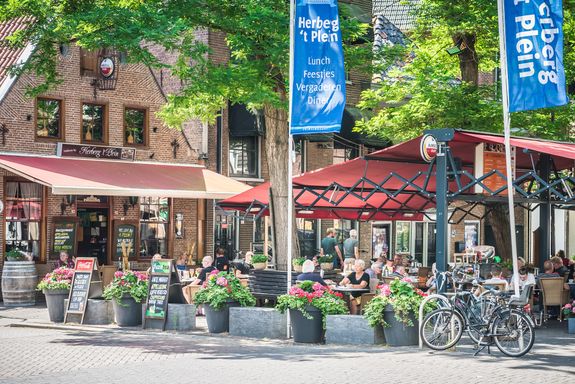
Prinsenplein Meppel
Prinsenplein Meppel
Until about 1910, the main waterway from Hoogeveen to the Meppel lock ran right through the town. At the time, the water was called the Wetering and the Gasgracht and Prinsengracht joined each other here....
-
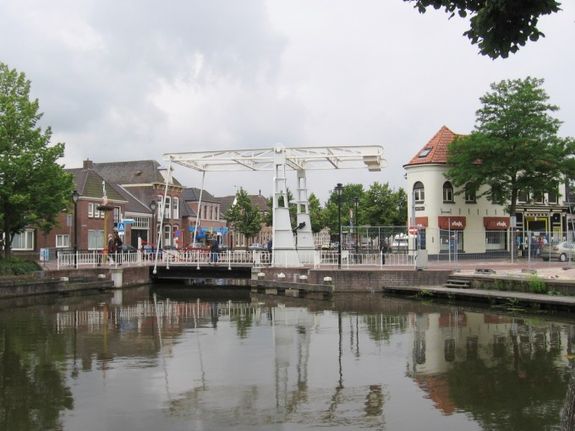
Drawbridge Emmabrug
Drawbridge Emmabrug
This drawbridge is designed for normal traffic with a middle section for cars and a footpath on either side. The bridge consists of a steel structure with rivets. The balance and...
Description
- Meppel railway station
Meppel station building was built in 1865 and officially opened on 1 October 1867. This happened with the opening of the Zwolle-Meppel railway line. Today, everyone travelling north from the west and south passes or makes a stop at Meppel station. A hub for many train travellers. - In the mid-nineteenth century, many station buildings were built according to a standard model. The classification concerned the size of the station. It was linked to the number of inhabitants of the locality. In terms of architectural style, this station building falls under the updated version of the 'third class'. Only two buildings of this design still remain, in Zuidbroek and Meppel.
- Listening Stone
The Drentse kei in front of Meppel railway station is a 'Listening Stone' and part of the Liberation Route of which Meppel is part. When you scan the QR code, you can listen to the impressive story of 8 April 1945. On that day, a train near the station was shot at by two Allied fighter planes. The result: 20 dead, many wounded and huge damage to the station and surrounding streets. The shelling was part of the strategy of the advancing Canadian allied troops that liberated Meppel on 13 April 1945. Listen in! - Art nouveau buildings
A feast for the eyes! Meppel has numerous Jugendstil buildings. This architectural style, also called Art Nouveau, pays particular attention to stylised and decorative elements. The main features are asymmetry, large horseshoe windows and rich decorations often inspired by nature. Especially on Stationsweg and Zuideinde are the most beautiful buildings. - Eye-catchers include Café-Restaurant La Porte with its striking front door. The pretty building at 40-42 Station Road has special fencing and beautiful doors. At number 46, you will find the former money depot of the Dutch Bank and the distinctive stained glass, wrought iron and fine carvings are easy to see at number 36. Perhaps the most beautiful Jugendstil building in Meppel is at number 73 Hoofdstraat. Worth a visit!
- Wilhelmina Park
Wilhelmina Park brings together nature, art and history. The design of the park, laid out between 1915 and 1922, is by renowned garden architect Leonard Springer. It is a great place to walk along the river Reest, the deer park, the park pond with its fountain and the Rozenhof. Around the characteristic Tea Dome you can relax and enjoy the beautiful greenery. - Tea Dome
The characteristic tea dome in Wilhelmina Park is octagonal and has a thatched roof. It was built around 1840 and was intended at the time as a resting place, to drink tea or play billiards. It was a status symbol and has high windows to enjoy the view as much as possible. The tea dome is still regularly used for a cosy high-tea, parties or other atmospheric occasions. Nice to know is that the Dutch Open Air Museum in Arnhem has a life-size duplicate of the Meppel tea dome. - Ogterop theatre
Schouwburg Ogterop has a rich history. In 1868, Gerhardus Bernardus Ogterop opened a coffee house here that grew into an atmospheric theatre. The exterior is modern, inside you will find the historic so-called Bonbonnière hall with a beautiful balcony with gold and plush. The hall is known by many companies for its great acoustics and special atmosphere. Many big names have created a furore here. Wim Sonneveld, Toon Hermans, and Bert Visscher, for instance, have performed on stage. Schouwburg Ogterop is the place where cultural activities take place. The professional cultural stage for Meppel and the surrounding area. For more than 150 years now. - Wevershoek - Keizersgracht/Heerengracht
Keizersgracht is also known as Wevershoek. At the peak of the weaving industry, some 700 looms stood here and Meppel had a large number of weavers. Meppel was best known for Everdoek; a light type of sailcloth that was used for the ships of the VOC, among others. A rich history. - Steamboat Quay
One of the best preserved pieces of Meppel's sailing past in the Stoombootkade. From the beginning, shipping has been important. Those who travelled by ship entered Drenthe via Meppel. Goods were also loaded here that were shipped across the Zuiderzee to cities in Holland. As in Amsterdam, there is a Herengracht, Keizersgracht and Prinsengracht, which are even in the same order as in the capital. From far and wide, merchants flocked to the annual fairs. Meppel soon developed into the economic centre for the whole area. Not for nothing is Meppel still called 'the Mokum of the North'. Discover it for yourself! - Mill De Vlijt
On the Sluisgracht stands Mill De Vlijt. The original peel and run mill was destroyed by fire on 22 May 1858. Rebuilding began the same year and this octagonal, wooden tower mill was given the function of a bark and corn mill that also ground mustard. - Around 1930, the sails stopped doing service and the grinding mill was equipped with electric motive power. Gradually, the mill's function diminished and demolition followed. In 2002, the mill was restored to its former glory and recently the mustard mill has been running again on special occasions. Molen De Vlijt is a characteristic part of Meppel's once twenty-mill townscape.
- Westeinde Marina
Right in the middle of the historic town centre is Jachthaven Westeinde. The perfect place for water sports enthusiasts who want to explore the Overijssel lake district or further explore the Netherlands via the Meppeler Diep and the Drentse Hoofdvaart. - Over the centuries, water has fulfilled an important function for Meppel. At the time, it was an important transit port of peat. Nowadays, this junction of water offers countless opportunities for recreational boating and is home to the camper van site. A bustling spot in the heart of Meppel.
- Cape Bridges
The Cape Bridges are two characteristic bicycle bridges. One connects the Meppeler Diep with the Drentse Hoofdvaart and the other the Meppelerdiep with the harbour. They take their name from De Kaap. A headland where several waterways and other waters converge. On the peninsula between the two bridges you can see the bridge keeper's house. From here, the bridge keeper has a wide overview and several bridges are operated remotely from here. This uses cameras and intercom to properly regulate all water and road traffic around the unmanned bridges. - Former Farmers' Bank
The historic Landbouwersbank building is part of Meppel's industrial heritage and the grain silo is a real eye-catcher. The 'Coöperatieve Landbouwersbank en Handelsvereeniging' was founded on 13 April 1909 with the aim of promoting the joint purchase of agricultural supplies and the sale of agricultural products. With its location on the Meppelerdiep, it was the perfect place to trade. Later, an animal feed factory was added. They also operated a banking business here and there was a station for artificial insemination. Over the years they went through all kinds of mergers until the present-day Agrifirm was created in 2001. - Water tower
In 1893, Meppel was one of the first of the four towns in Drenthe to decide to build a central drinking water supply. The Meppel water tower occupies a special place as the oldest water tower in Drenthe. The round brick tower, 40 metres high, is iconic for the town. In 1955, the water tower underwent a major renovation in which the brick shell of the old reservoir was completely replaced by a modern concrete shell. The original iron riveted water reservoir is still present and the old spiral staircase is also intact. - Lock Nijeveense Grift
The Nijeveense Grift is the oldest dug waterway in Drenthe and runs straight through the village of Nijeveen. Many a boat carrying peat used to sail over De Grift to Meppel. Until the mid-19th century, the sluice in the Nijeveen Grift served as a retaining sluice. The lock was raised at the time to allow ships to pass through from Meppel and into Nijeveen. Shore fees had to be paid for peat, wood and corn. Manure and hay were exempt from this. It is said that during peat extraction 'gold money' was earned here on
the peat. - Nijeveen/Kolderveen
Welcome to Nijeveen. The village that arose on a sand ridge on the edge of the moor in the Middle Ages and became independent in 1477. The first inhabitants of Nijeveen went to live on either side of today's Dorpsstraat and on Kolderveen. And then development was rapid and since 1998 the village has belonged to Meppel municipality. By now, some 3,400 Nijeveeners live there, who are mostly single-minded, enterprising and sporty. The korfball club DOS'46 has been Dutch champion four times. Where a small village can be big! - The bronze statue 'Farmer with milk cans' near village hall 'De Schalle' recalls Nijeveen's dairy history and mill 'De Sterrenberg' is the proud centrepiece of the village. Here you can experience space, the cows still moo happily in the meadow and you can enjoy a fresh glass of (carne) milk on tap along the way.
- Kolderveen-Dinxterveen Reformed Church
Amid the meadows and on a small rise stands the characteristic, reformed church of Kolderveen. Construction of the church was completed in 1471 and the tower dates from the 14th century. On the north side, you can see a wooden portal also known as the 'clog loft'. The church can only be reached via the long, rustic avenue of beech trees. An impressive experience. This avenue is named after Thijs van Urk who died in 1890 and has a memorial stone in the church. From his estate, the beech avenue, the entrance gate and the verger's house were paid for. The church and fence are listed as Monuments. - Korfball club DOS'46
On 22 May 1946, the korfball club D.O.S. (Door Oefening Sterk) was founded. With now over 400 members and great supporters, DOS '46 Nijeveen is a vibrant sports club that has even won the national championship several times in recent years. Both in the hall and on the field. The European Cup has also been brought to the village four times. What a small village can be big at. Home ports are sports hall 'De Eendracht' and the korfball complex at sports park Tussenboerslanden. Since 2019, the Airdome Nijeveen has sprung up here in the winter period. - Industry Nijeveen/Spijkerserve
Nijeveen is an enterprising village. Many local entrepreneurs live and work in the Spijkerserve industrial estate. Various sectors are represented here. Among others, you will find a construction company, agricultural mechanisation company, the petrol station but also an insurance adviser and a motorbike company. - Albert Vink Animal Meadow Nijeveen
The animal meadow is the place to take a break and enjoy the antics of the goats, the beautiful feathers of the peacocks and there are even some wallabies running around. A favourite spot for kids who love coming here to feed the animals. - Burg. Van der Woudepark Nijeveen
Playing outdoors is cool! The children of Nijeveen can romp and play outside with the cable car, water pump, tree trunks and step stones in the Van der Woudepark. Making adventures together and enjoying the outdoors, nature and space! - The Burgemeester van der Woudepark is named after the last mayor of the independent municipality of Nijeveen and was laid out in 1998. The park is not only for playing in, it is also a walhalla for frogs who enjoy themselves in the frog pool. You can have a nice walk and relax on the sturdy wooden benches. If you are lucky, the Meppel sheep flock walks through the greenery. A delight to watch.
- Nijeveen lake
Recreational lake Tussenboerslanden, popularly known as Nijeveense Plas, is located northwest of the rural village of Nijeveen. Here you can enjoy water and sand in fine weather. The little ones can play on the sandy beach and there is plenty of room to sunbathe and relax on the extensive sunbathing lawn. The shallow end and the deeper end, for experienced swimmers, are separated by a wooden footbridge. There are toilets, showers and on fine days fresh farmhouse ice cream is for sale. In short: 't Is lovely at the Nijeveense Plas. - Gorthoek Nijeveen
A stone's throw from the Weerribben-Wieden National Park is the Gorthoek. A surprising avenue with plenty of pear trees. It used to be nothing more than a cart track. Can you imagine? In spring you enjoy the pear blossom and in autumn you sneak some of the harvest. If you look north, you can see the Steenwijker tower and discover the Havelterberg to the east. - Dutch Reformed Church Nijeveen
The Gothic church on Dorpsstraat was built around 1477 and has a half-built narrow tower. The nave is built in the manner of a Drenthe farm, a barn. The church still contains the sacrificial table from 1477, the supper table from 1631 and the pulpit from 1744. The annex is popularly called the 'youth building' and was Nijeveen's first primary school. Between the youth building and the church is the sexton's house and behind the church is the cemetery. The church defines Nijeveen's villagescape. - War memorial Dorpsstraat Nijeveen
The war memorial commemorates seven members of the Nijeveen resistance who died during the Second World War. Five of them fell victim to a munitions explosion on 9 April 1945. On 22 October 1944, the village was startled by the arrest of father Jan and son Roelof Kooiker. They were transported to Westerbork where they were executed on 27 October 1944. The monument consists of three columns. The right-hand column is in memory of J. Hoeve Hzn who died in the Dutch East Indies and the municipal coat of arms of Nijeveen is on the left. Since the municipal redivision in 1998, Nijeveen has been part of Meppel municipality. - Mill De Sterrenberg Nijeveen
At the heart of the village of Nijeveen stands corn mill 'De Sterrenberg'. In 1977, the mill was brought to the village in Drenthe from the German town of Weener. Twice a week, the mill grinds grain and when the sails are turning, visitors can visit. The Sterrenberg is special because it is the only mill in the Netherlands that is 'set to the wind' by means of a wind rose. In the stone attic, two impressive pairs of grinding stones grind the grain into flour. A unique mill that you should definitely go and see. - Villa Kalkoven
The three characteristic lime kilns were built in the 19th century and were in use until 1962. They are now listed as national monuments. At the time, the kilns were filled with alternating layers of peat and shells and then lit. The peat and shells were supplied by water. The temperature in the kilns rose to as high as 1,200 degrees. Hence the iron rings to ensure they did not break apart. The 16-metre-high chimney created a strong draught. The lime dust from the burnt shells was sieved and quenched with water (slaked lime) and then sold as a binder for bricklaying. Today, Villa Kalkoven offers a hospitable welcome and delicious food and drinks in the historic kilns. - Industry North
Meppel is located with junction Lankhorst on the A32 and A28 motorways. These motorways take you to Amsterdam or Groningen within an hour. From here, Germany and Scandinavia are easily accessible. The North I and II industrial estates are home to large transporters, distributors, wholesalers and some manufacturing companies. - Engelgaarde
Engelgaarde is a beautiful area to cycle or walk through. Here you can enjoy rich flora and fauna. Find a nice spot and experience the peace and space. There are plenty of benches and picnic spots. - The park-like area with its large pond covers about 25 hectares and is a favourite spot for swimming or fishing and diving. Underwater, among the overhanging vegetation, you will find most (underwater) life. The lake is the habitat of perch, rudd, carp, pike and crayfish. Nature at its best!
- Broekhuizen
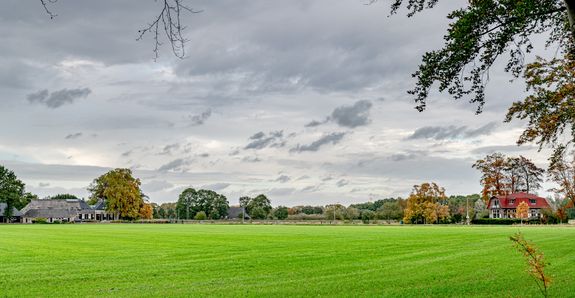
The hamlet Broekhuizen has about 100 inhabitants and has been part of Meppel since the 1998 municipal redivisions. The name Broekhuizen refers to brooks (lower and wet grounds with light forestation). The hamlet is characterised by several, scattered farms, with large-scale plots, on the cover sand ridges between Meppel, Rogat and Koekange. A cover sand ridge is an uplifted height of cover sand. Most of these heights were formed during the last ice age, the Weichselien. Here you go back to prehistoric times, as it were. Of the total of 40 houses in Broekhuizen, four are national monuments. - Rogat lock
The Rogat Lock is one of the three locks in the Hoogeveen Canal. In the early 17th century, the Hoogeveense Vaart was built to connect Hoogeveen with Meppel by water. Between 1964 and 1988, it was transformed into a modern shipping canal and made suitable for ships of at least 300 tonnes. - The lock is located near the village of Rogat, which is part of the municipality of Meppel. Rogat has about 110 inhabitants. At the tip of the peninsula in the small harbour is the sculpture 'Zomergasten'. According to the artist; Cune van Groeningen, the sculpture, as a watchman, should protect the passers-by who spend the night at the lock. A reassuring thought.
- Rogat (industry)
The Rogat mixed industrial estate is located directly on the A28 motorway, at the De Wijk/Rogat exit. Here there are mostly companies that rely heavily on road transport. The site is about 10 minutes' drive from Meppel city centre and has many locally rooted companies. - The Havixhorst The Schiphorst
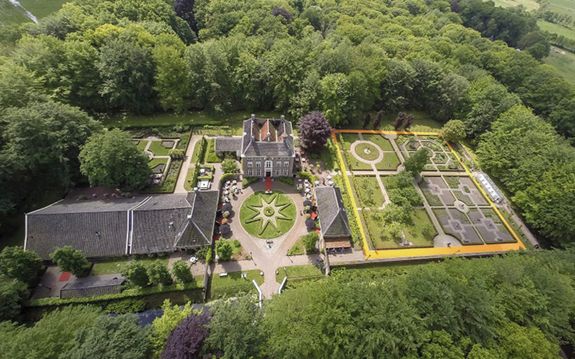
Havezathe de Havixhorst lies on the edge of the Reest in the Reest valley. As early as 1371, De Havixhorst was first mentioned as an inhabited place not far from Meppel. In 1618 it was officially recognised as a 'havezathe', the eastern Dutch name for a knight's manor. The noble De Vos van Steenwijk family lived there from the mid-seventeenth century until 1939. After that, it was given all kinds of functions. Today, it is a 'château hotel' and you can stay here royally and receive a warm welcome to enjoy gastronomy in an atmospheric ambience. - The Havixhorst sculpture garden
In the gardens of the manor of De Havixhorst, an extraordinary collection of sculptures is on display. Besides the permanent collection of artists such as Charlotte van Pallandt, Eric Claus, Pieter d'Hont and Piet Esser, there is a changing exhibition. The garden is freely accessible all year round. It exudes a different atmosphere every season. - Stork Outstation "De Lokkerij" Reestdal
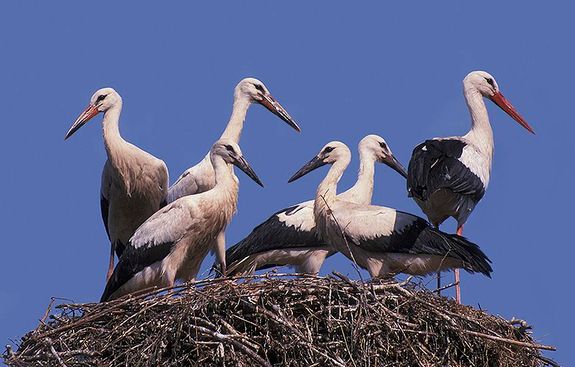
Beautifully located, in the valley of the Reest, you will find the Stork Outstation "De Lokkerij". In the former farm of the Lokken family, sick and injured storks are cared for until they can be released back into the wild. In the information centre, you will learn all about the storks. What do storks eat, how do they live and how do they behave? You will find out all about it. - Today, the Reest valley is home to the most, successful population of storks. You cannot miss the majestic birds. They are numerous in this area and fly off and on. That was different in the 1960s when the stork had almost completely disappeared from our country. Thanks in part to the Bird Protection Society's rescue programme and the founding of 'De Lokkerij' in 1981, the reintroduction of the stork to the Netherlands was a success. The stork is completely back!
- De Schiphorst
Neighbourhood De Schiphorst is known for its manor house De Havixhorst and on Schiphorsterweg is the stork station 'De Lokkerij'. It lies between the Reest valley and the village of De Wijk and has been part of Meppel municipality since the municipal redivision in 1998. In the greenery and on spacious plots are characteristic farmhouses, some of which are national monuments. You probably recognise them! - The nearby Dickninge estate attracts many visitors in early spring who come to see the cave root. Also known as monastery herb, this stint plant ended up at this spot thanks to the monks of the Dickninge monastery, which stood here for many years. They used the plant particularly for the medicinal substances contained in its hollow root. Special!
- Tollhouse De Knijpe
The small house on De Wetering, the old thoroughfare along the Hoogeveense Vaart, was built around 1870 and served as a tollhouse. If you went from De Wijk to Meppel, you passed the hamlet of Schiphorst and had to pay toll at the toll house on De Knijpe (popularly known as De Kniepe). In 1988, the reconstructed wooden toll gates were brought back to restore the old situation. The monumental tree on the west side in front of the frontage knows the story of the time. - Memorial stone Sergeant Anne Willem Swart
At this location, Sergeant Anne Willem Swart was killed on 10 May 1940 when the German army invaded the Netherlands. Swart defended his homeland with his comrades-in-arms, in an earthen bunker. The German supremacy was great but the sergeant would not budge. Only after many opponents had been eliminated, the makeshift bunker was hit by a German grenade and the direct hit killed Swart. Anne Willem Swart was born on 30 August 1907 in Zaandam and has been buried on the Grebbeberg military field of honour since 1985. - The Toll House
Lucas Reggers, who lived on the Drenthe side of the river Reest, bought a so-called 'four and part road' from Staphorst to Meppel in 1771 and built this characteristic farm with a tollhouse. After he had improved and refurbished the footpath, he was given the right to collect toll on the Reggersweg. Especially in winter and when it rained, the other roads in the area were impassable. The toll sign with the 'Tariff of Tolls' written on it tells the special history. - Lookout tower Reestdal
On the border between Overijssel and Drenthe, the Reest meanders through the ancient stream valley. A fantastic and varied landscape with its very own character of hay meadows, fields, heaths, country estates and monumental farms. Every year, colourful carpets of flowers unfurl in the Reest valley. A feast for the eyes. Special plants and animals live here, including the cave root and the badger. It is teeming with storks that welcome you loudly clapping. - Berggierslanden wetland nature reserve
Green makes you happy! The new housing estate Berggierslanden is located on the south side of Meppel and has a natural and rural character with many water features. A healthy living environment with many animals and plants. Here you can hear the rustling of the trees and birds singing their highest song. At the edge of the neighbourhood, you can look straight into the vast polder and see the hamlet of Hamingen. Enjoy and relax naturally. - Bad & Klimpark Hesselingen
Bad & Klimpark Hesselingen offers sports and adventure fun for young and old. On the outdoor area of swimming pool Hesselingen you will find four fantastic and adventurous courses. Go down the zip line, climb atop the climbing tower or take a confidence jump. Complete your adventure outing with a visit to Bad Hesselingen a versatile, colourful and welcoming, subtropical swimming paradise. - Mill De Weert
At the mouth of the small river Reest lies mill De Weert. According to the gable stone, the mill was built in 1807 and was at the time the most important eek or runner mill for the tanning industry in Meppel. Around the mill were three wooden sheds that originally served to store eek (oak bark). In the late 1990s, the mill was completely restored and has been grinding every Saturday since. In the mill shop, you can buy freshly ground flour for the most delicious pancakes, bread, cakes and doughnuts. - Restaurant Sukade
There is no arguing about taste. In the warehouse on the Stoombootkade you will find Sukade; a quirky and welcoming restaurant with sophisticated cuisine. The monumental building has been the destination for tasty products from all over the world since 1860. Southern fruits and spices, including sukade, were shipped here to embellish the Dutch pot with their special flavours. Nowadays, the chef prepares the most delicious dishes with as many honest, natural and local products as possible. All with a nod to the past and faraway places. - Printing Museum
The Printing Museum reflects Meppel's history as a printing town. It is housed in three monumental warehouses in the town's pretty centre. The museum has a broad scope. It starts with the first forms of communication: signs of the primeval humans and shows the development of writing until machine typesetting in the 1950s. Everything that has been important for printing over the centuries is on display here. There are regular demonstrations of manual typesetting, printing, paper scooping and bookbinding. There is also plenty to do for children. - Grote or Mariakerk Meppel
After Meppel became church independent in 1422, the construction of the Grote- or Mariakerk began. The 45-metre-high tower is still Meppel's proud centrepiece. The characteristic tower used to attract traders and craftsmen. From far and wide, they moved to Meppel to live and work, preferably in the centre, near the Meppel Tower. There is a market here every Thursday and you regularly have the opportunity to climb the 147 steps and enjoy a fantastic view. - Church Square
Church Square is the beating heart of the city. Already at the end of the 15th century, merchants came from far and wide to Meppel's annual markets. There is still a market on Thursday mornings near the Grote- or Mariakerk. Around Kerkplein, you will find the cosy terraces of various, hospitable restaurants and cafés. There is always something going on and activities are regularly organised. In summer, Kerkplein is the base for the Thursday Meppel Days with plenty of music, entertainment and street theatre. - The Wheem
De Wheem (formerly De Groote Markt) used to host the Thursday cattle market. Sheep, sows and piglets were traded in abundance here. At the end of the nineteenth century, Meppel profited from the rapidly developing livestock farming in south-west Drenthe. The Meppel piglet market was one of the largest in the Netherlands and the butter market was the largest in the country after Leeuwarden and Sneek. There was a large egg hall on De Groote Markt. In 1864, the Stadsherberg was built with stables. Nowadays, it is home to Grandcafé De Wheem where you can enjoy good food and drinks and, when the weather is nice, enjoy the terrace. - Green Market
The Groenmarkt was home to the fish market until the beginning of the last century. This bordered the Kerkhofsdiep, through which water still flowed at the time. Later, the DABO bus station came here and the van Werven brothers built a factory for 'Rijwielen enz' (bicycles, etc.). The Nieuwe Meppeler Courant was printed in the premises of printing firm Ten Brink where restaurant 'De Nachtwacht' is now located. Today, the Groenmarkt is home to many catering establishments and the Protestant Church is one of the eye-catchers. - Main street
Hoofdstraat is the heart of Meppel. Here you can shop extensively and discover old buildings with beautiful facades. Stop for a moment and look up to see the different building styles. Together they form a beautiful whole. Eyecatcher is the Jugendstil building at number 73. Looking down, you will see 80 bronze commemorative tiles (Stolpersteine) bearing the names of Jews deported during the war. A visit to the squares is definitely not to be missed. Church Square, De Wheem, Prinsenplein and Groenmarkt are always lively. - Stedelijk Museum Meppel (formerly Kunsthuis Secretarie)
In the middle of Meppel's lively and busy Hoofdstraat, you can retreat to the quiet of Stedelijk Museum Meppel's beautiful exhibition space. Behind the massive front doors, of the former town hall, you will find changing exhibitions of visual arts in the broadest sense of the word throughout the year. What you should not miss here is the 19th-century wall painting by the Groninger Derk Jacobs Postma, who painted the work in 1831 especially for the Mayor's Room. With four to five exhibitions a year, there is always something interesting to see at Stedelijk Museum. Welcome! - Jewish Quarter - Slotplantsoen - Jewish Monument
The Jewish Monument in Slotplantsoen commemorates 232 Jewish residents of Meppel who were taken from their homes during the occupation years 1940 - 1945 and deported via Camp Westerbork to concentration camps in Eastern Europe and killed there. Meppel had its own synagogue, two Jewish cemeteries and a Jewish school located opposite the synagogue. The synagogue and school were demolished in 1960, as part of urban renewal. On the corner of Synagogestraat and Touwstraat, you can see a painting recalling the Jewish community. - Prinsenplein
Until about 1910, the main waterway from Hoogeveen to the Meppel lock ran right through the town. At the time, the water was called the Wetering and the Gasgracht and Prinsengracht met here. Since the water was filled in in 1919, this area has been called Prinsenplein. Here you will find Herberg 't Plein where hospitality is paramount. Outfitters Jaap and Petra de Boer ensure that a large number of Amsterdammers come to Meppel every year during Thursday Meppel Day 'Mokum in Meppel'. - Emma Bridge
Emmabrug, also known as Tip Bridge, is one of five special bridges in Meppel city centre. In 1929, the then swing bridge was replaced by this drawbridge that crosses the old course of the Hoogeveense Vaart canal. The bridge and the Prinsengracht canal form an important part of the ring of canals around Meppel city centre. The drawbridge is of cultural-historical value and is part of Meppel's waterways. The most important junction of waterways in Drenthe.