Along the borders of Drenthe
(342 km)
This long cycle tour follows the borders of Drenthe and is about 330 kilometres long in total. The route is divided into six stages of about 43 to 63 kilometres. This allows you to discover the tour step by step.
Along the way, you cycle through very different landscapes. You pass areas where high moors used to be excavated, through the old esdorpen landscape with fields and bog villages, and through beautiful brook valleys where water and nature come together. You also pass several historic villages and small towns, each with their own story.
If you want to fully enjoy the route, use the DrentheRoutes app.
Starting point
The route starts at the Castle in Coevorden.
Signposting
This route is signposted using white hexagonal signs with green printing. It is also possible to pick up the route using the signposts at other locations.
Food & drink
Would you like something to eat or drink during this cycle tour? There are several catering establishments along the way .
You are going to see this
-
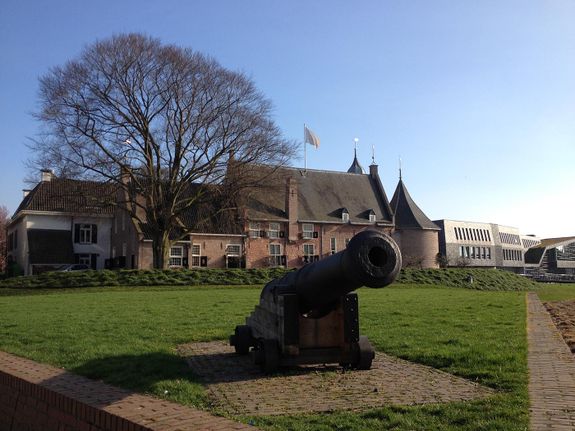
Coevorden Castle
Coevorden Castle
Heavily fought over, but still proudly standing, stands the Castle in the middle of the city of Coevorden. Because of its strategic location in the swamp on the transit route to the north, the fortress was much sought after. The castle was plundered, destroyed and rebuilt several times.
-
Klinkenvlierseplas
Klinkenvlierseplas
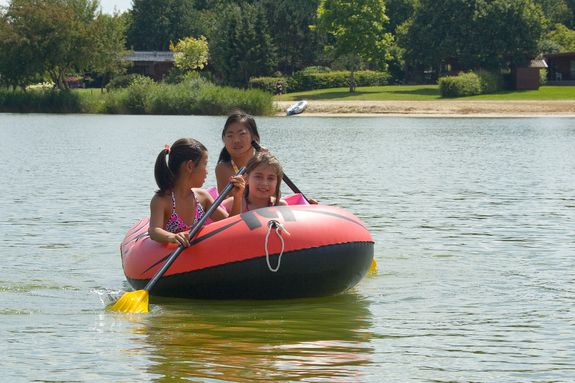
The Klinkenvlierseplas is about 15 hectares in size and has a beach with flotation line on the south-east side. On the south and north sides of the lake, the banks are grassed. In the middle is a peninsula with houses. Toilets are available.
-
Watch tower Laar
Watch tower Laar
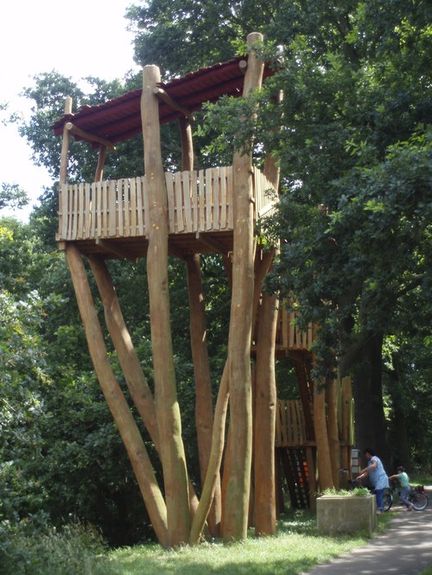
This watchtower is on the border. The stairs are in Germany, but the top in the Netherlands!
-
Old Toll West
Old Toll West
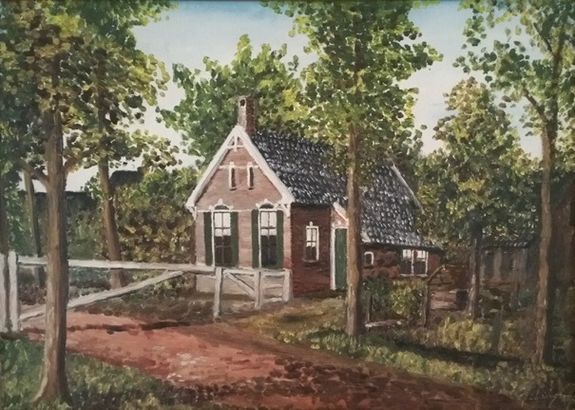
Until the early 19th century, Schoonebeek made a lot of money from cattle grazing. In 1943, oil was found here and from the summer in 1945, the oil industry here grew into the Texas of the Netherlands. On this spot used to be Schoonebeek's common hay meadow, the Blick.
-
New Schoonebeek church tower
New Schoonebeek church tower
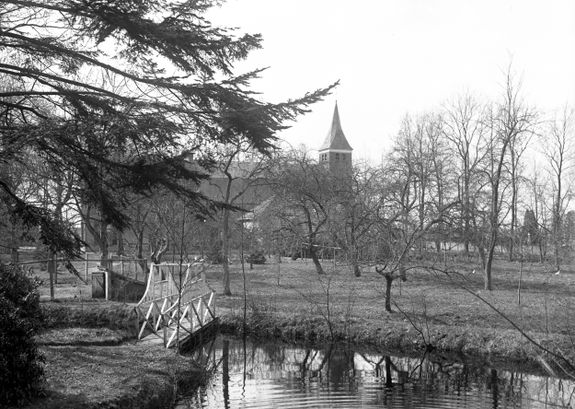
The church tower was built in 1855 in an austere Neo-Romanesque style. The tower is a remnant of a Roman Catholic hall church that was demolished in the late 1960s.
-
Bargerveen and wolf hunting
Bargerveen and wolf hunting
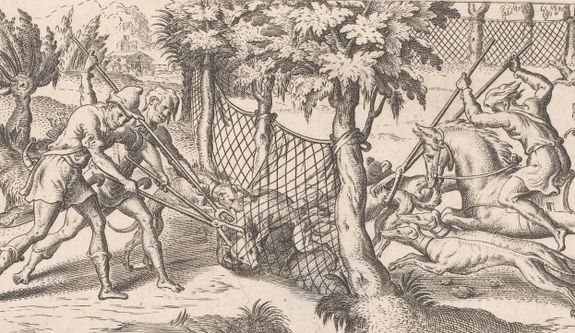
The Bargerveen is the largest raised bog area in north-western Europe. It was formed some 10,000 years ago and was once 3,000 square kilometres in size. When the peat began to grow, the Bourtanger bog developed here. There was habitation as early as 5,000 and 6,500 BC.
-
Former boundary stones
Former boundary stones
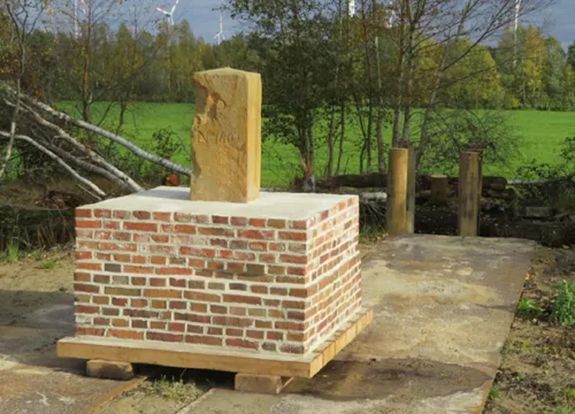
After many centuries of struggle over the border between Hanover and the Netherlands, the final border was established in July 1824. Several border stones made of Bentheimer sandstone were set up. The Schoonebeeker farmers lost six booes in this area.
-
View tower Bargerveen
View tower Bargerveen
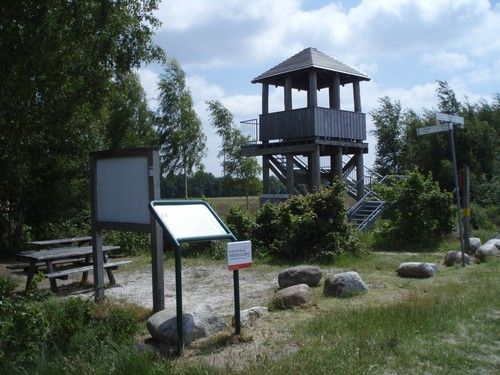
This watchtower stands on the border between the Netherlands and Germany. If you look in the German direction, you will see windmills and meadows. If you look towards the Netherlands, you can enjoy the vastness of the ...
-
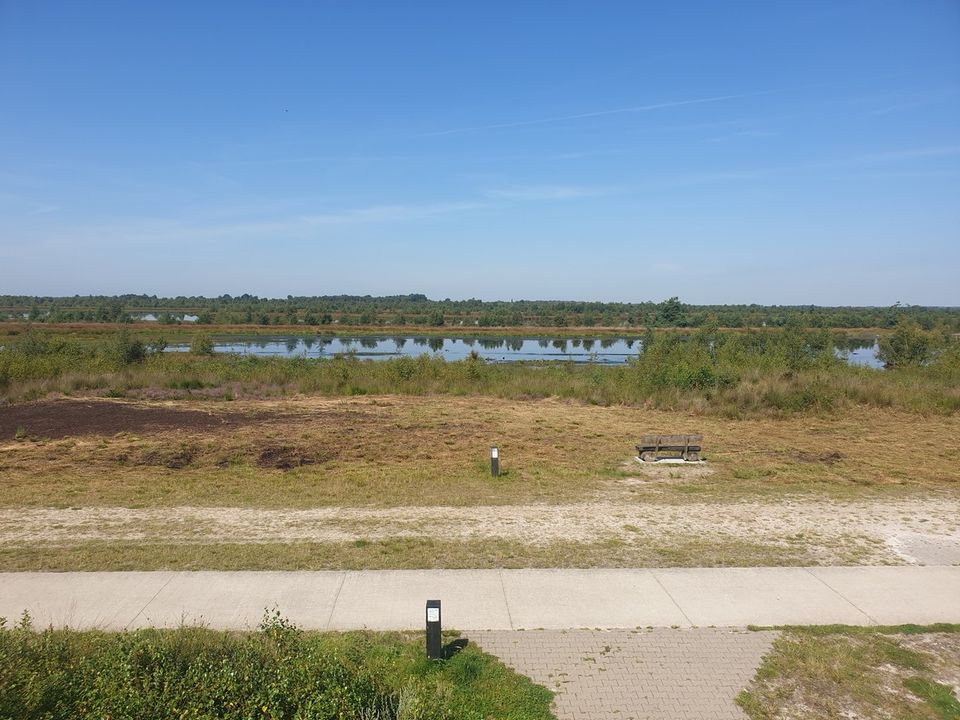
Viewpoint Bargerveen North
Viewpoint Bargerveen North
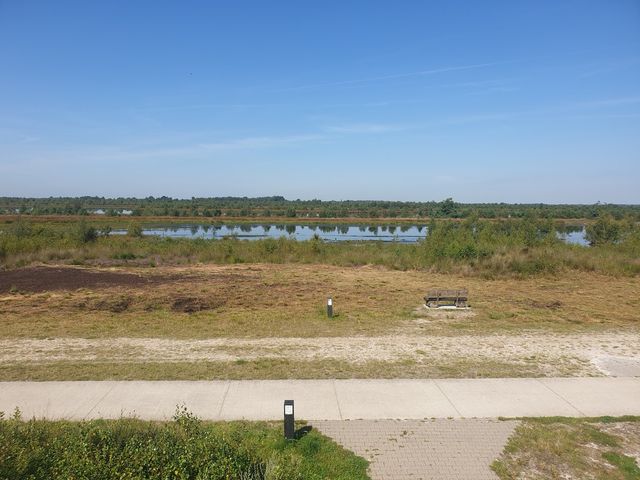
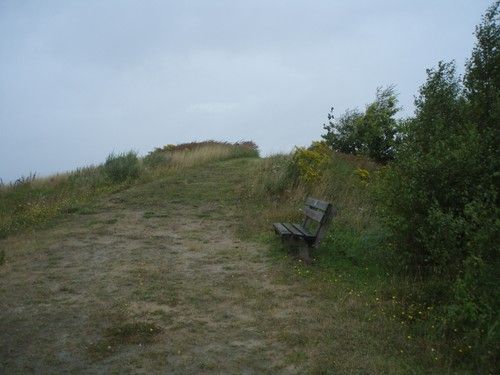
You will find this viewpoint on the north side of the Bargerveen. From here you get a good impression of what the eastern Netherlands used to look like. An area of bog, grassland, heath and water alternate...
-
-
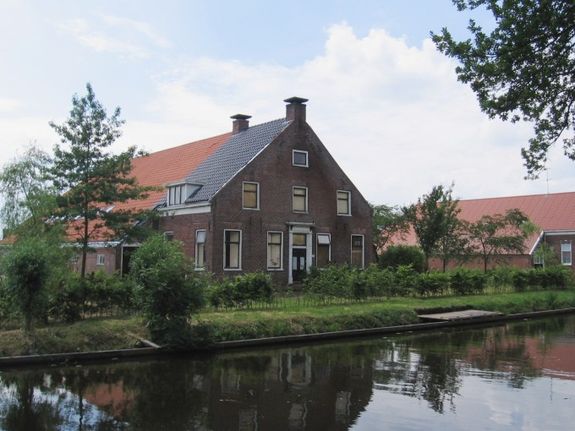
Shrine farm Annerveenschekanaal 1830
Shrine farm Annerveenschekanaal 1830
A shrinking farmhouse, built around 1830. The farm is of the older peat-colonial type, with the front house having a top gable.
-
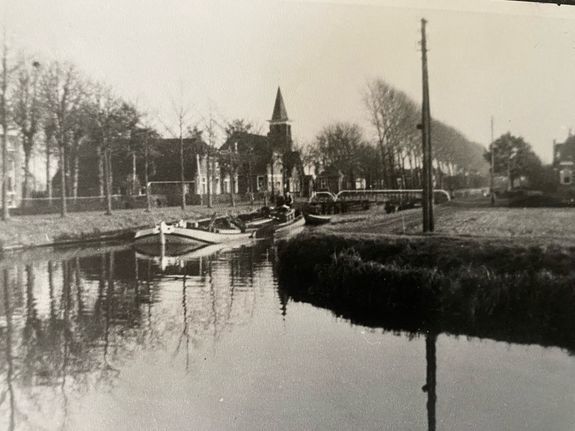
Port Annermond
Port Annermond
This port was opened in September 2017. It was the last part of the project 'From Turfvaart to Toervaart'. The name Annermond comes from the old canal, which used to run from Annen to Annermond. Here, the canal passed the Hunze by means of an aqueduct.
-
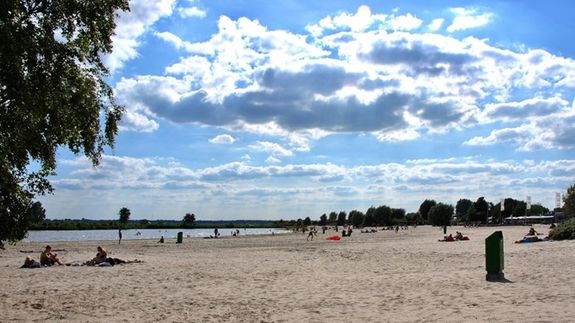
Zuidlaardermeer
Zuidlaardermeer
The Zuidlaardermeer is adjacent to the Meerwijck district (near Hoogezand) and there is plenty to do: sunbathing, swimming, windsurfing, hiking, cycling, bird-watching and boating. Play equipment, catering facilities, toilets and showers are available. Good parking facilities.
-
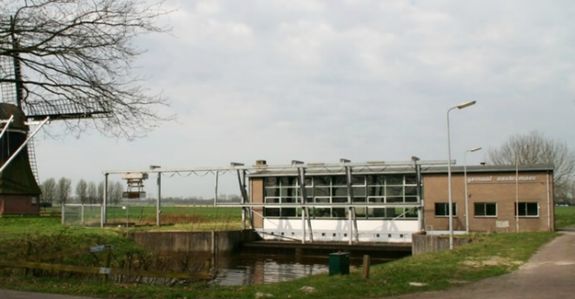
Oostermoer pumping station
Oostermoer pumping station
The Oostermoer pumping station was founded in 1955 by order of the then water board De Oostermoerse Vaart. The current plant consists of three vertical pumping stations, manufactured by the Fa. Pannevis...
-
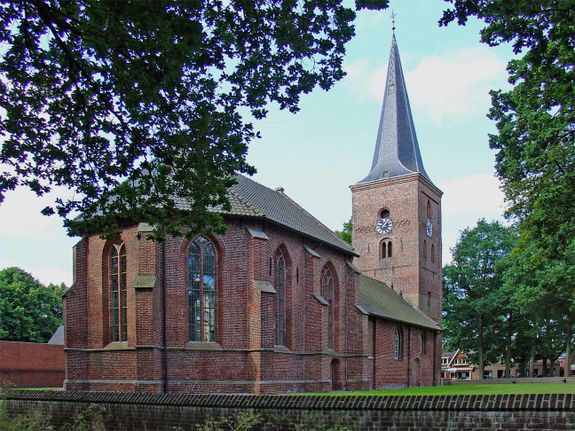
Village church in Zuidlaren
Village church in Zuidlaren
Village church on the kerkbrink. The oldest part of the church, the nave, was built in the 13th century, followed by the tower around 1300. The church contains gentlemen's pews from the prominent Van Selbach, De Drews and Van Heiden families.
-
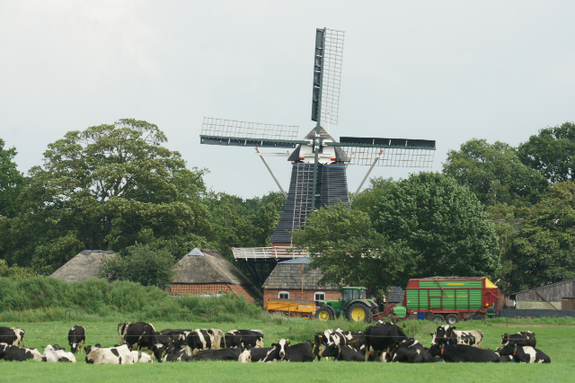
De Korenschoof windmill
De Korenschoof windmill
Korenmolen De Korenschoof, located on Zuidlaarderweg in Noordlaren, was built in 1849. Originally, the mill functioned as a bar mill, grinding oak bark for the tanner...
-
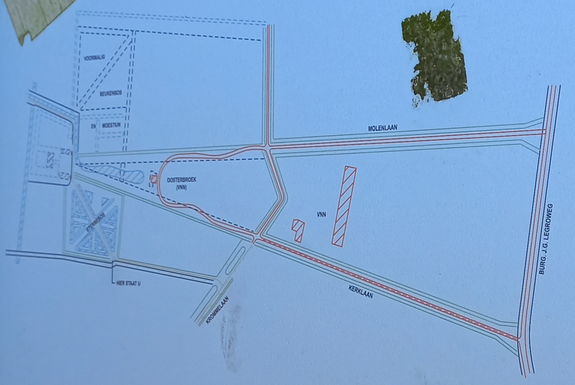
Sterrebos Oosterbroek
Sterrebos Oosterbroek
This star forest was laid out in the 18th century by order of the then owner of Landgoed Oosterbroek.
-
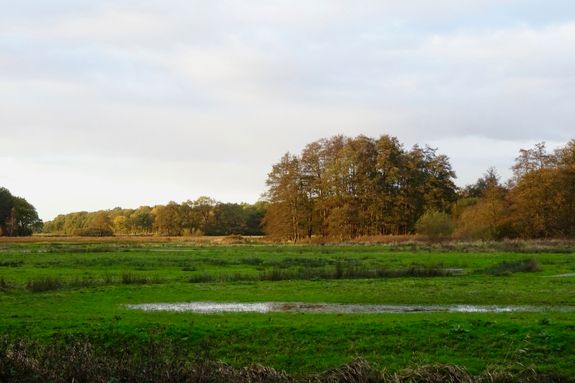
Drentsche Aa river valley
Drentsche Aa river valley
From the cycle path you have a nice view of the remnants of the Drentsche Aa stream valley with the meandering lower reaches of the stream. Turn diagonally right into the pretty Sterrenbos. How many g...
-
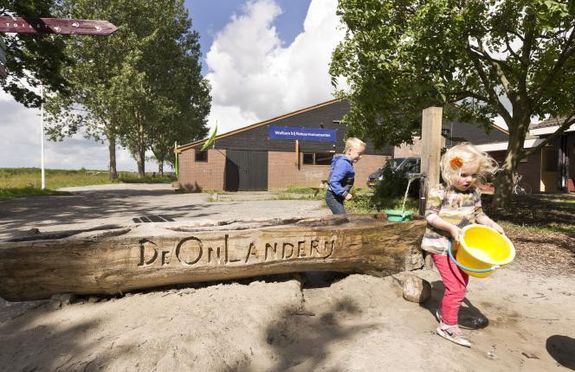
The Onlandery
The Onlandery
Artisanal lunch and coffee location a stone's throw from the city of Groningen in nature reserve De Onlanden.
-
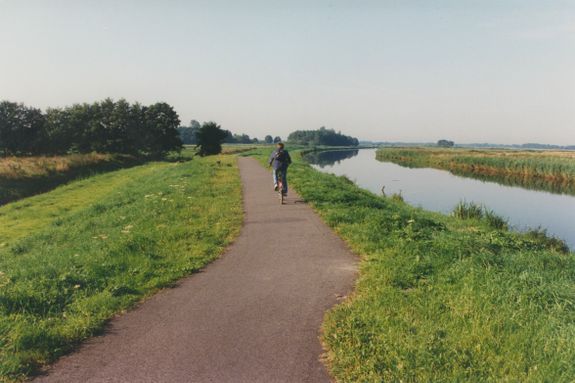
Pump building- transformer house Matsloot
Pump building- transformer house Matsloot
Pump building annex transformer house built around 1935. The pump building was commissioned by the Noordenveld Water Board to regulate the water level between Peizerdiep and Leekstermee...
-
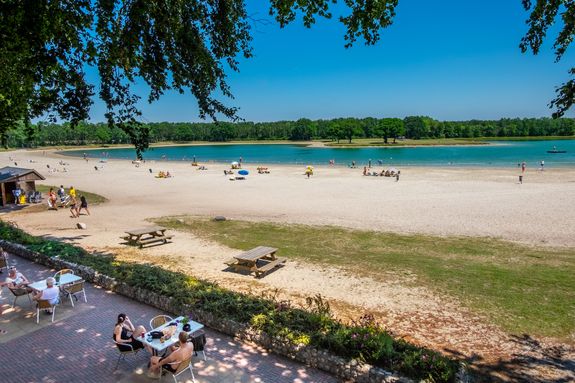
Recreational lake Ronostrand
Recreational lake Ronostrand
Here you will find a large and clean recreational lake with a golden sandy beach.
-
The Zwartendijk tower
The Zwartendijk tower
The Zwartendijksterschans occupies a special place in the history of Een. This entrenchment, named after the old name of the road on which it was situated, the Zwartendijk, was part of the Frisian-Groningen water line in the sixteenth and seventeenth centuries.
-
The Gardens of Weldadigheid
The Gardens of Weldadigheid
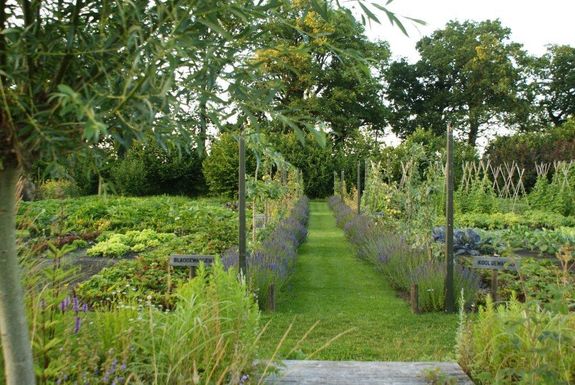
At the Gardens of Weldadigheid around the monumental farm 'Essererf', we grow one of the largest collections of potatoes, garlic, vegetables, herbs and flowers for sowing, planting and seed...
-
National Prison Museum
National Prison Museum
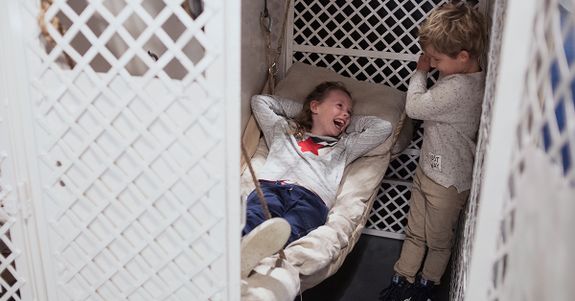
The Prison Museum tells stories about the consequences of norm-defying behaviour. Stories from the past and present about poverty, crime and punishment. Stories that make you look at freedom in a different way, that make you curious and make you think.
-
Klein Soestdijk
Klein Soestdijk
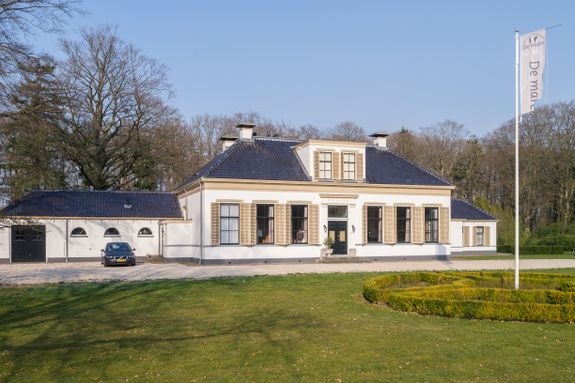
Klein Soestdijk is a former director's house in the Dutch village of Veenhuizen in Drenthe.This white villa was built in 1859 for the chief director of the institutions, the nursing...
-
Association building
Association building
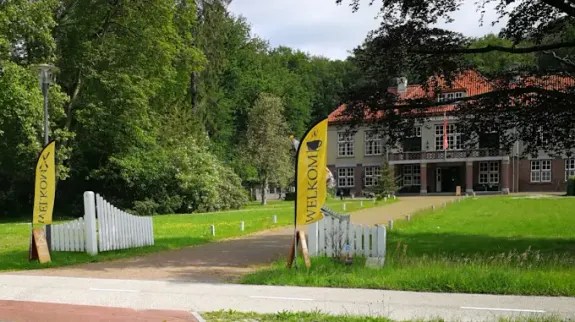
This building was built in 1922 to the design of architect Wijn. It was intended for the staff. It included a library, a large hall for theatre performances and various accommodations for associations and clubs. As a relatively small village, Veenhuizen had a flourishing club life.
-
Forestry Veenhuizen
Forestry Veenhuizen
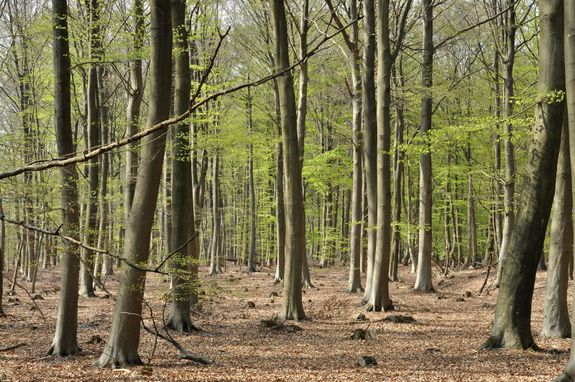
Boswachterij Veenhuizen is located between the nature reserve Fochteloërveen and the former coercive colony Veenhuizen. The area covers 800 hectares and you will find the rare pine marten and unusual ferns.
-
The Fochtel
The Fochtel
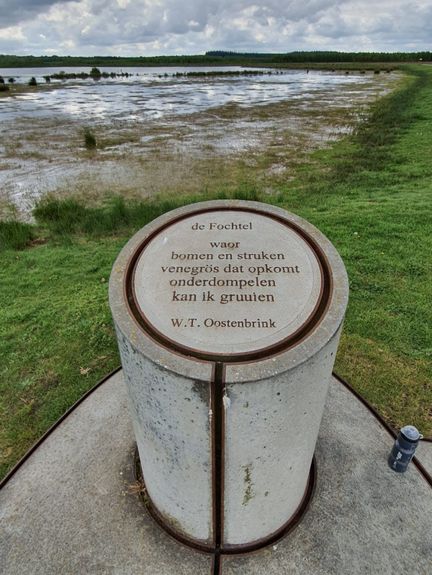
You are on the Compagnonsveld. Since 2010, this stretch has been laid out for nature and part of the Fochtelöerveen. It is an important buffer for the remaining raised bog.
-
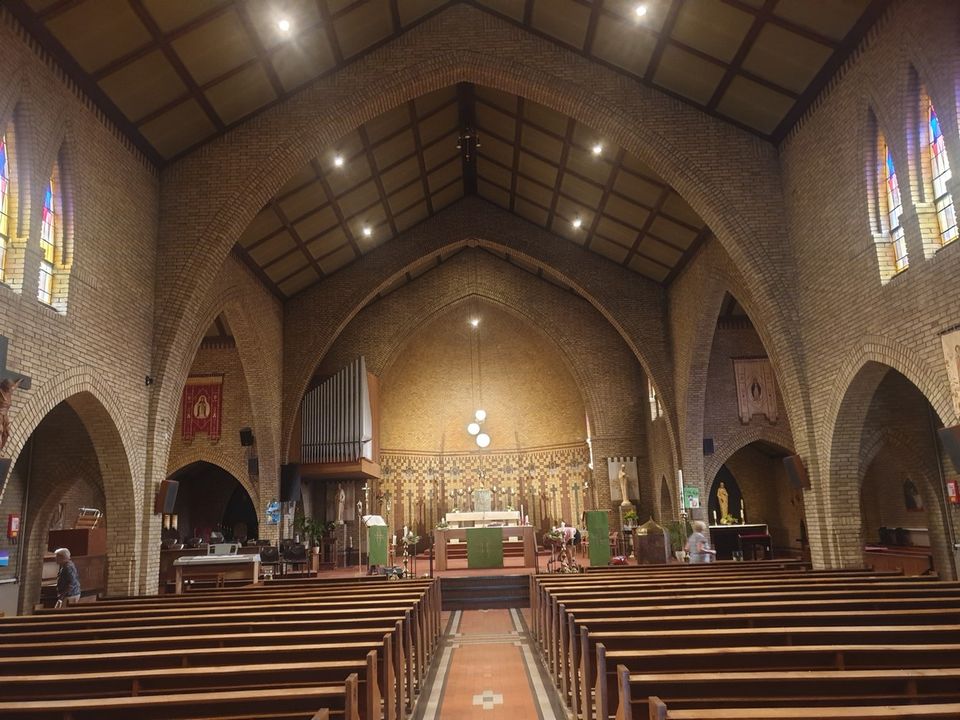
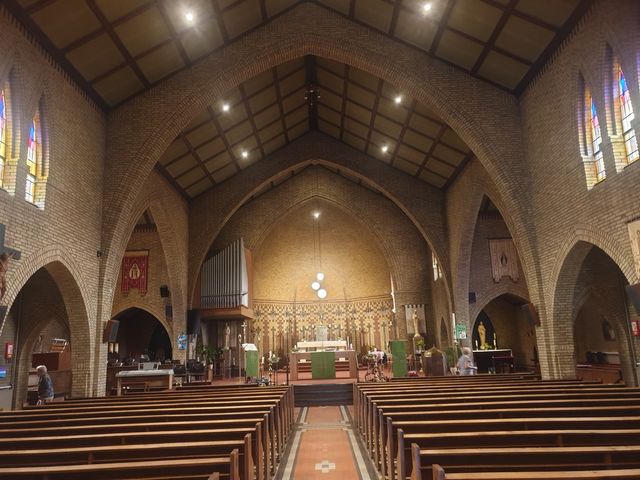
R.K. Sint-Andreas church
R.K. Sint-Andreas church
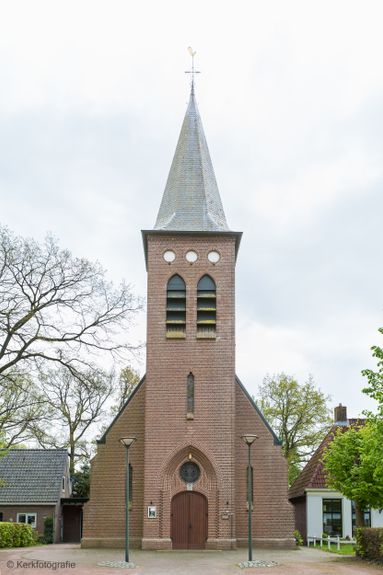
The R.K. Heilige Andreaskerk is a national monument, in which church services are still held almost every week. In the summer months, the church is open for visits several hours a week. Also w...
-
The Local on the Mountain
The Local on the Mountain
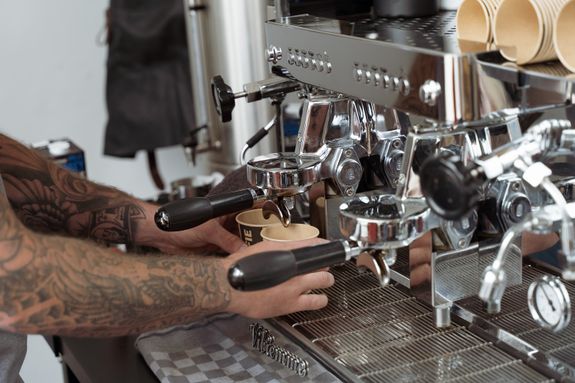
Meet, experience and create in the old school building on Havelterberg in beautiful nature. The Local is a vibrant starting point for activities such as hiking, cycling, scootering and outdoor games.
-
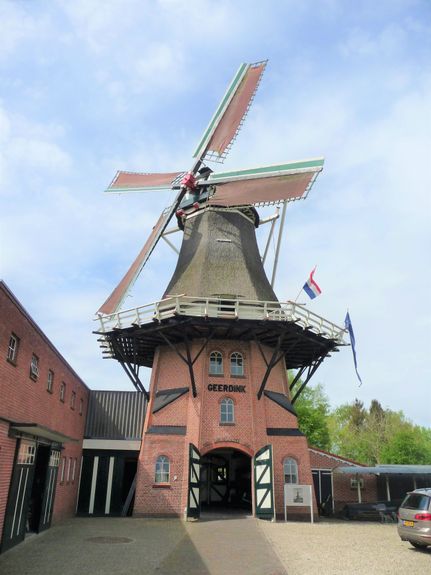
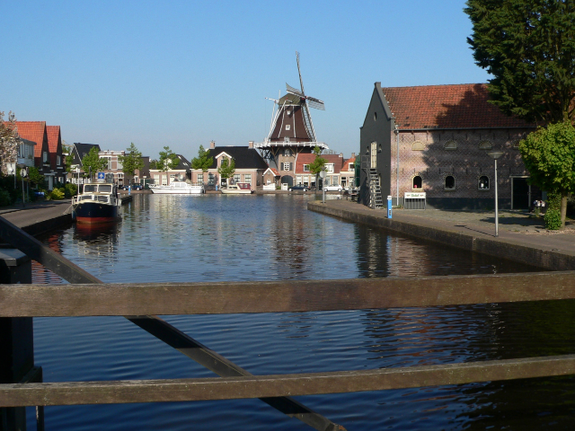
Mill De Vlijt
Mill De Vlijt
By the canal, you can see it from afar: mill De Vlijt. A real eye-catcher rising above the houses - and a popular spot for photos, especially from across the water.
-
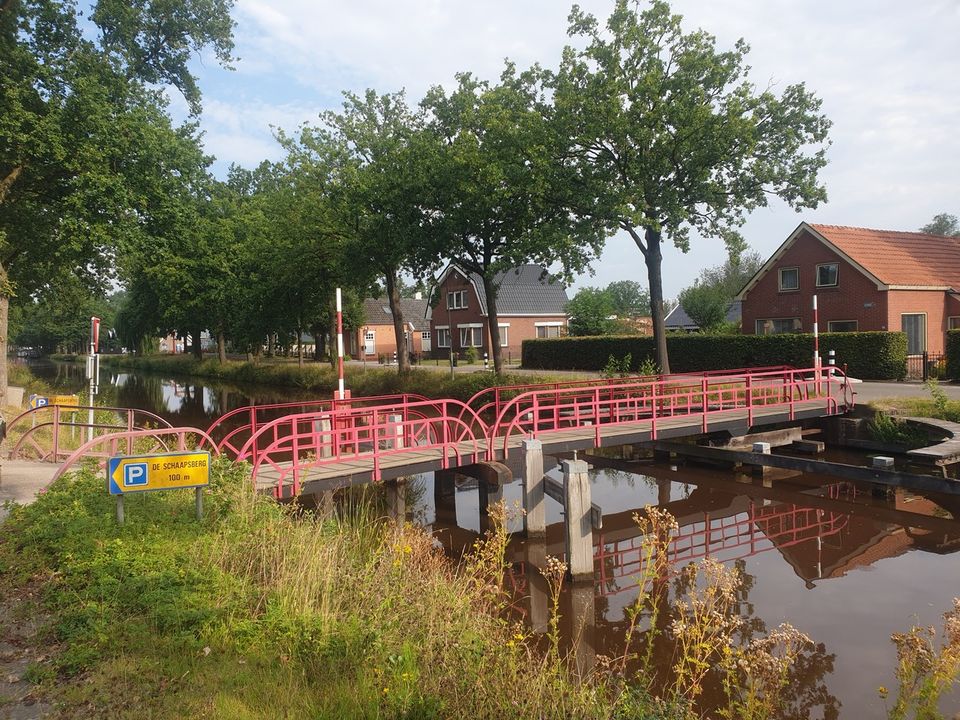
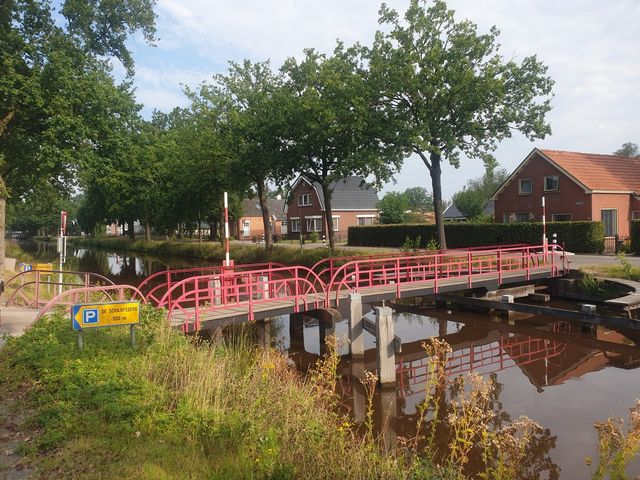
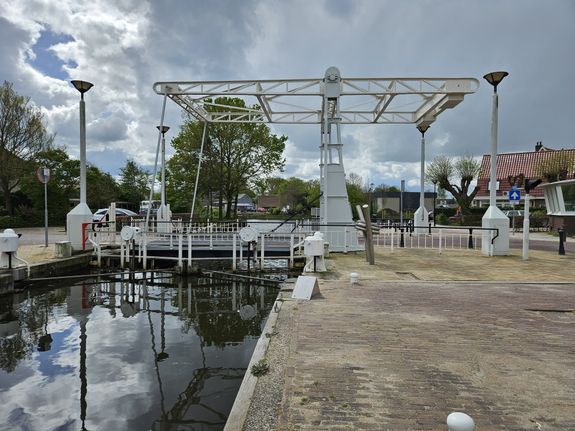
Lock bridge
Lock bridge
The iron bridge with rivets dates from 1929 and is a fine example of the technology of the time. Stay here for a while and look out over the water. Imagine what it used to be like here: cargo ships sailing back and forth, on their way to cities like Rotterdam.
-
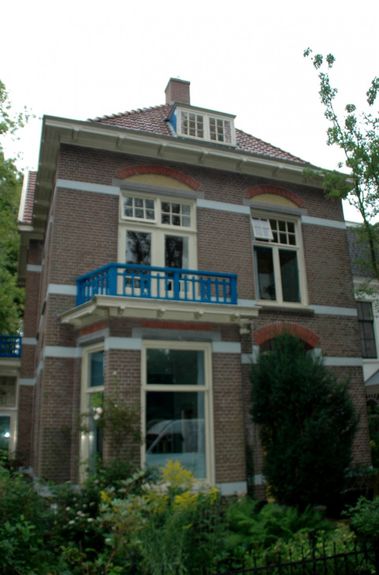
City villa Meppel 1919
City villa Meppel 1919
Designed in 1919 by K. Zwikker in Transitional Architecture, the town villa was commissioned by Geert Jacobs. It stands in the building line in a row of similar town villas and mansions on...
-
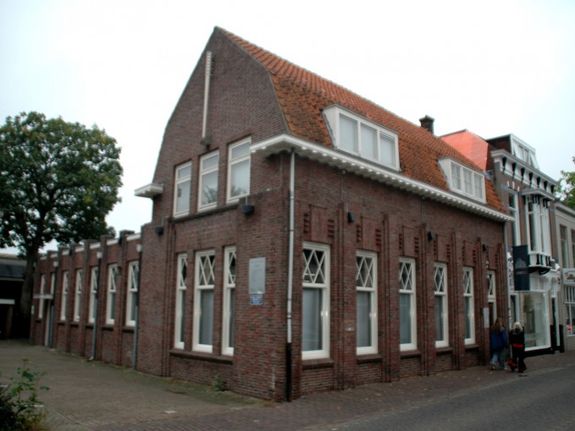
Bank building Meppel 1918
Bank building Meppel 1918
A BANK building commissioned by the National Bank Association and built in 1918. An older building was thereby completely renewed in a Ration...
-
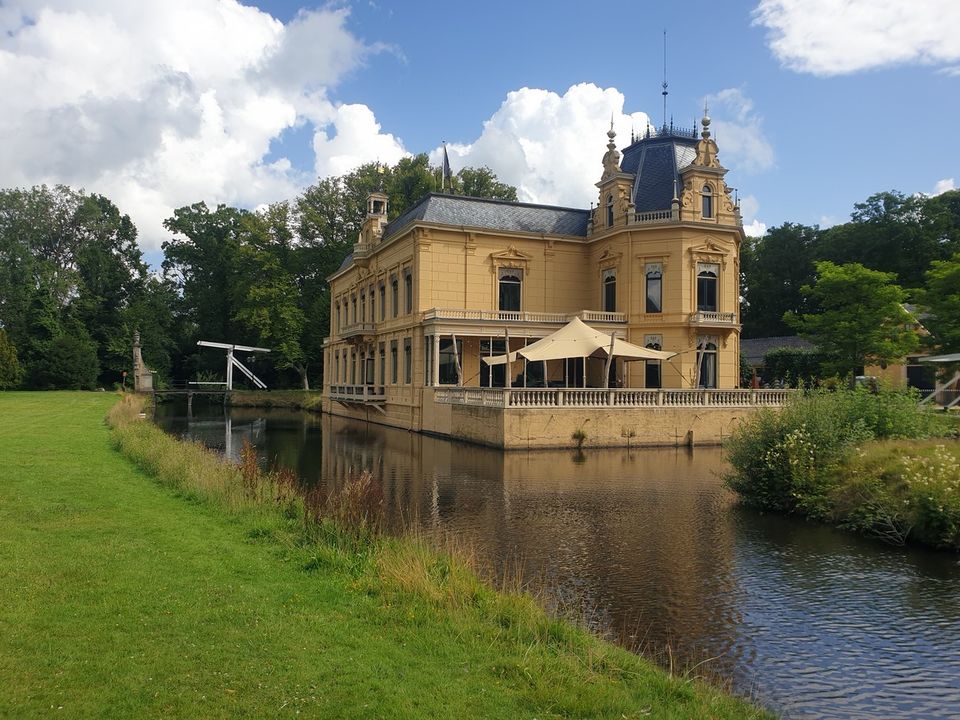
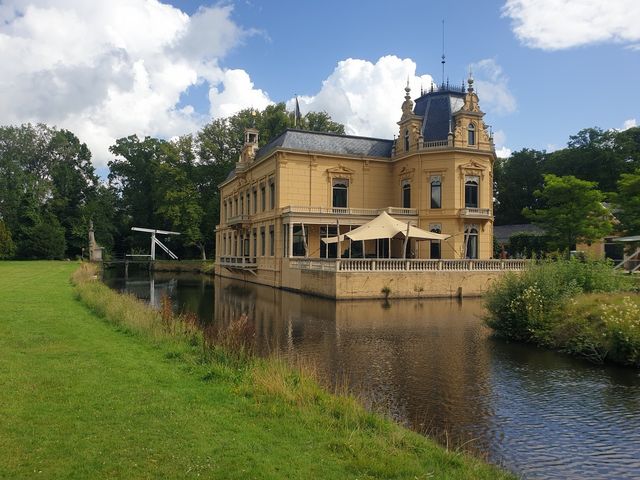
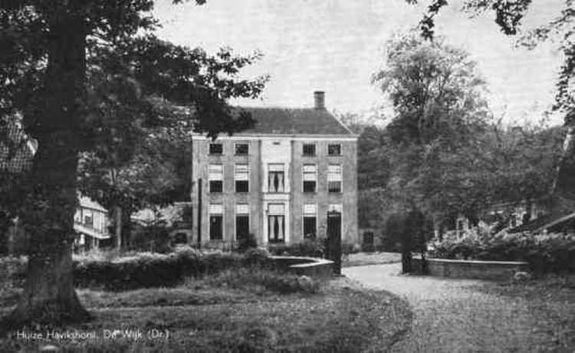
The Havixhorst estate
The Havixhorst estate
At its core, The Havixhorst estate consists of the manor house with outbuildings, garden, moat and surrounding forest. In total, the estate covers about 100 hectares. The estate is beautifully located in h...
-
Huize Voorwijk
Huize Voorwijk
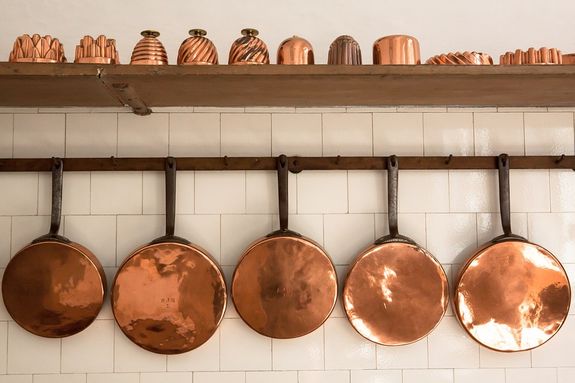
Huize Voorwijk is a distinguished mansion with outbuildings (building houses) on both sides that are connected to the house with a small circular wall. This gives the house a particularly beautiful...
-
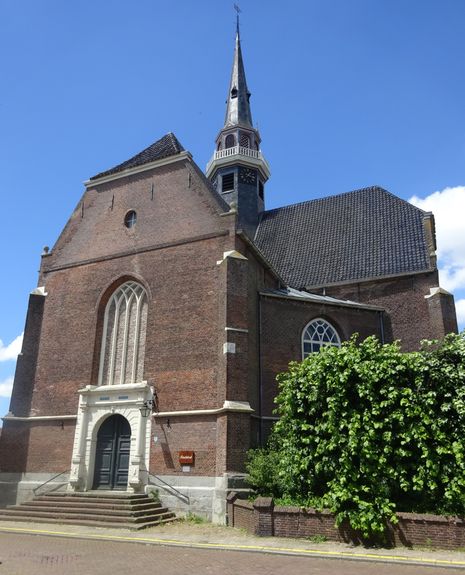
City church Coevorden
City church Coevorden
The former Dutch Reformed Church is a valuable historical building. The church was inaugurated in 1645. Today, in addition to Sunday worship services, it hosts musical performances, concerts and official meetings. The church is known for fantastic acoustics.
-
Barracks complex 'Het Molenblok
Barracks complex 'Het Molenblok
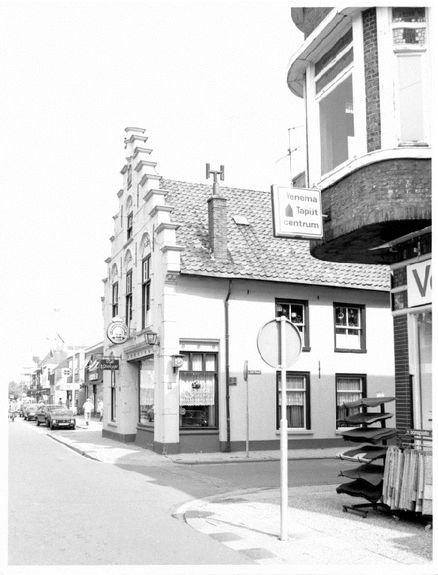
Military accommodation building in 1765 barracks, pictured: Café 't Greveltje on the corner of Molenstraat and Friesestraat in Coevorden. A signboard hangs on the right and tapi...