
Heerlijkheid Ruinen route
(45 km)
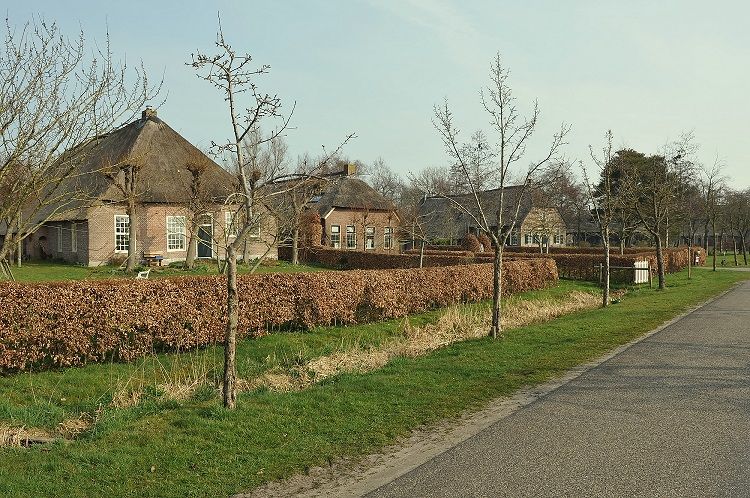
The 45-kilometre signposted route starts in beautiful Ruinen. Along the way, you cycle through the forests of Ruinen and pass through old ash villages. A route with many stately, monumental farms.
Parking
The route starts on the Brink in Ruinen. There are several places where you can park for free.
Signposting
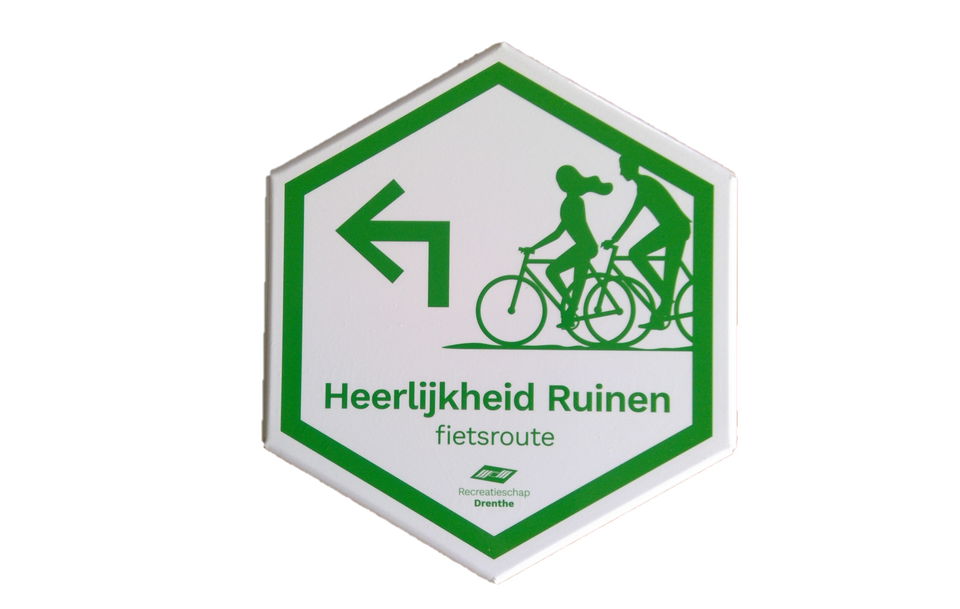
This route is signposted using white hexagonal signs with green printing. It is also possible to pick up the route using the signposts at other locations.
Food & drink
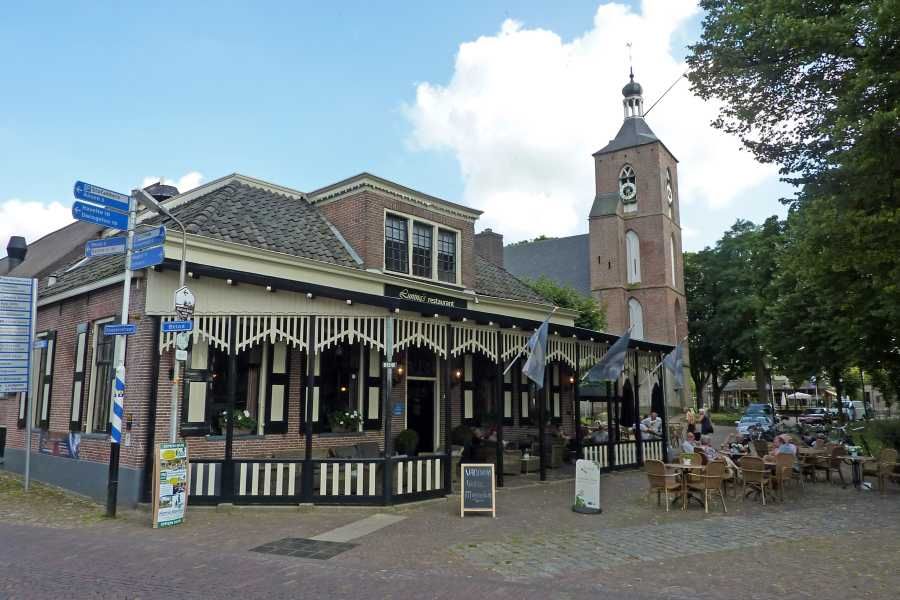
Would you like to have something to eat or drink during this cycle tour? You can do so at various catering establishments in Ruinen, Ruinerwold, Koekange and Echten.
-
Example route sign
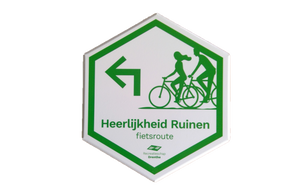
Example route sign
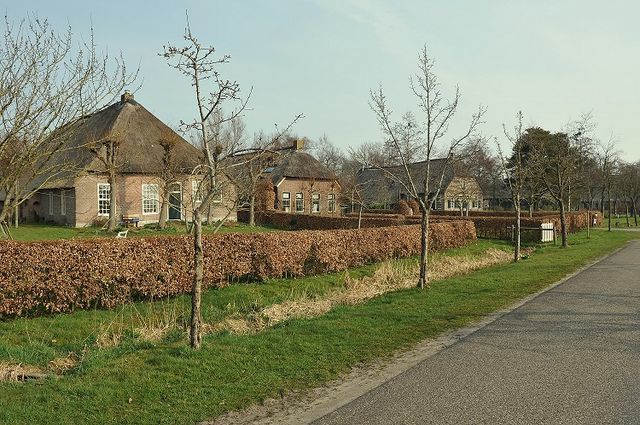
You are going to see this
-
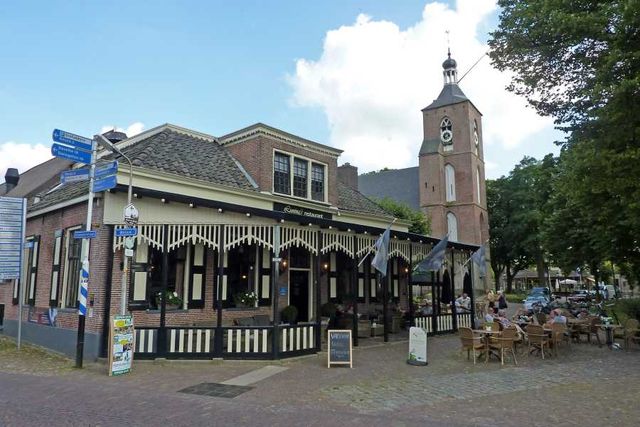
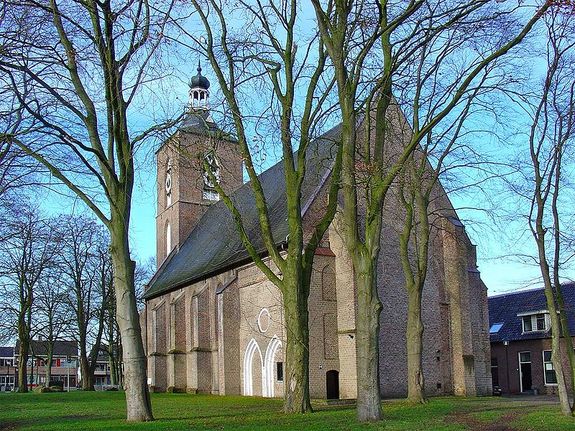
Maria Church Ruinen
Maria Church Ruinen
Maria Church from the 12th century is a Gothic church, the church originally belonged to the Benedictine monastery of Ruinen.
-
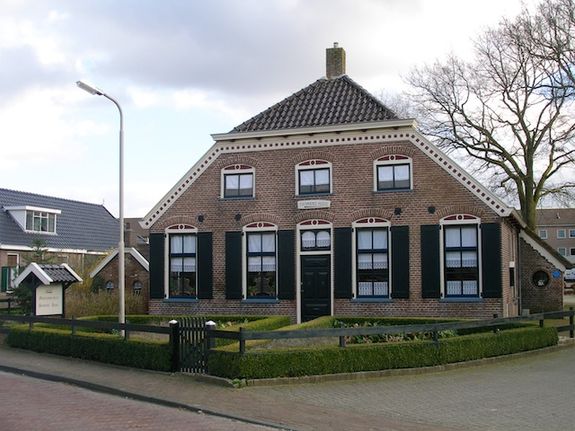
Museum farm Pasmans Huus
Museum farm Pasmans Huus
The layout of the museum farm gives an insight into domestic life around 1900, with the kitchen featuring, amongst other things, box beds, an open fire and two fully stocked cupboards. In the upstairs room...
-
85
-
76
-
41
-
91
-
77
-
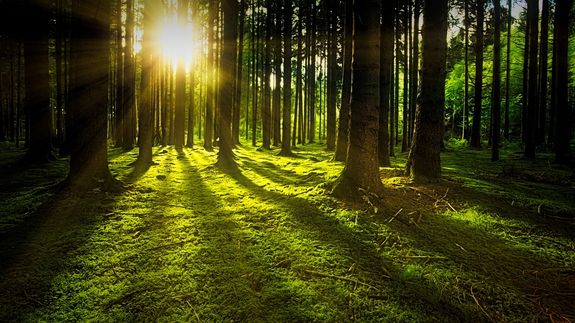
Forestry Ruinen
Forestry Ruinen
Boswachterij Ruinen, a 1,000-hectare forest and heathland area, was created in 1940 from a former peat, heath and shifting sand area. Largely consisting of conifers, with limited present...
-
Echtenerzand
Echtenerzand
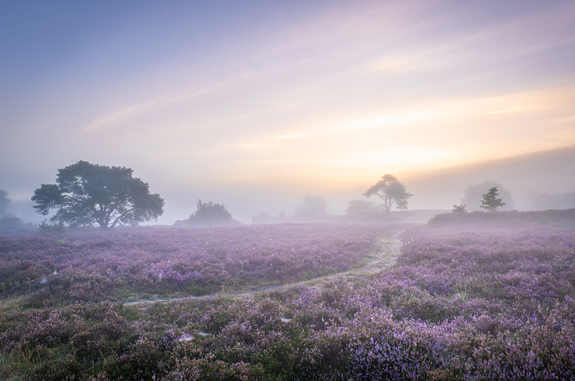
Photography: Marco LokThis is what you will see in the EchtenerzandThe vast rolling sand drift with heather plants and ancient juniper bushes. Winding forest paths...
-
93
-
84
-
75
-
Roekpad | Play forest and experience trail
Roekpad | Play forest and experience trail
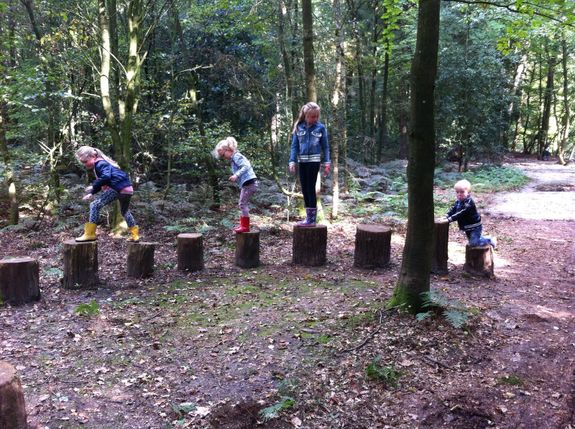
In Echten is the experience trail the Roekpad. The Roekpad runs through the Kraaienbosch and parking is available near Visio Echten.
-
-
Huize Echten
Huize Echten
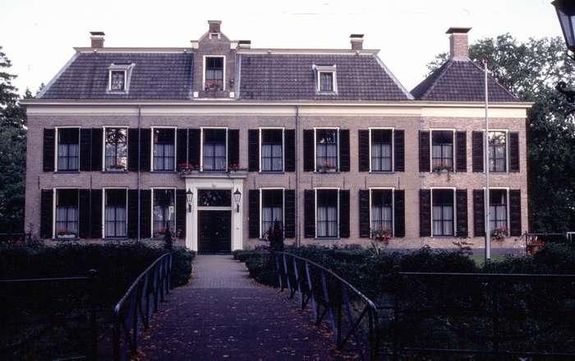
Huize Echten is a historic manor house with roots in the Middle Ages. The house was inhabited by the Van Echten family, descended from the Van Coevorden family from the early 13th century. This noble background gave the house an important position within the region.
-
29
-
69
-
68
-
66
-
67
-
Welgelegen estate
Welgelegen estate
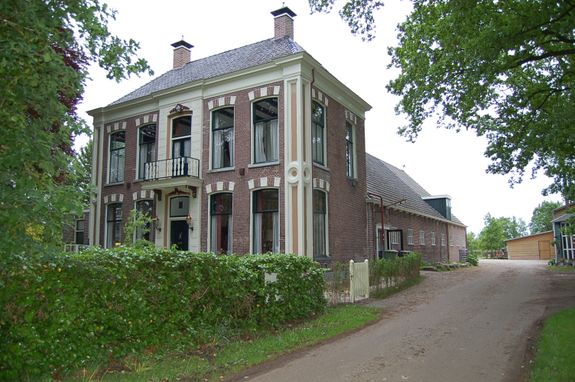
You are welcome to stay overnight with us in beautiful South-West Drenthe. In our country restaurant you can have lunch, dinner or enjoy our home-baked delicacies. And take a look at our Tin Museum.
-
60
-
83
-
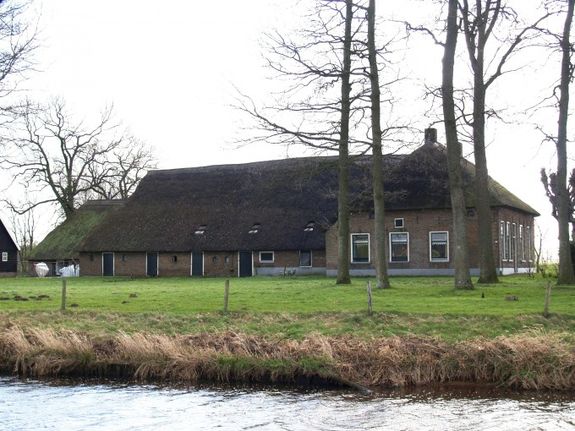
Farmhouse Ruinerwold 1830
Farmhouse Ruinerwold 1830
A circa 1830s farmhouse with attached outbuilding and detached barn. This is a farm of an unusual type, namely a hall-house farmhouse with the entrance door in the...
-
3
-
26
-
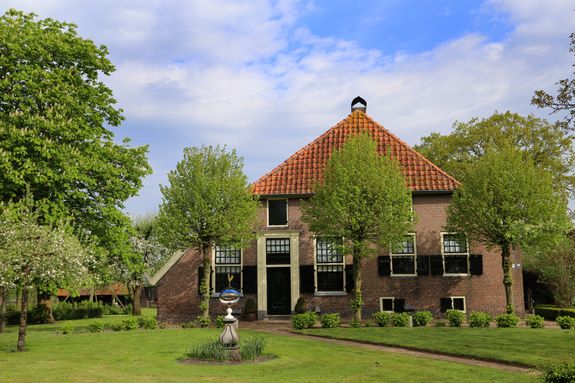
Museum farm the Karstenhoeve
Museum farm the Karstenhoeve
A beautiful, authentic farmhouse dating from the 17th century. Originally built by the wealthy Karsten family, it has been used as a museum for 60 years now, with a state room in the front part of the house that lives up to its name...
-
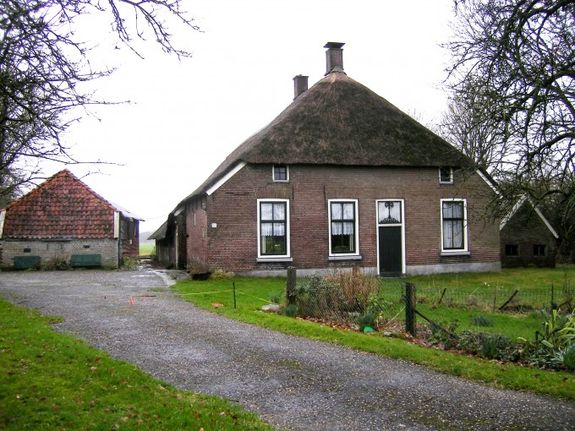
Hall farmhouse Ruinerwold 1820
Hall farmhouse Ruinerwold 1820
A hall-house farmhouse with attached barn, boiler room, pig shed and detached hay barn. The farm was built around 1820.
-
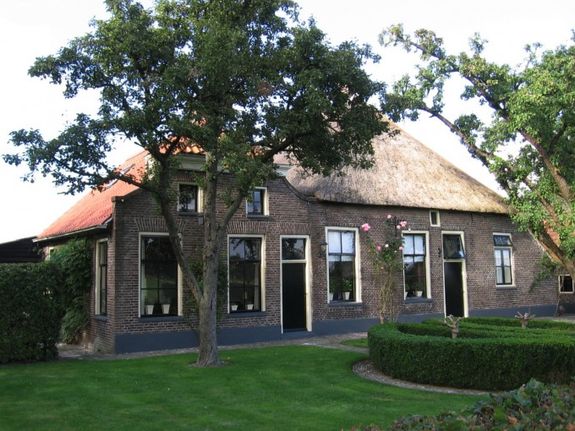
Hall farm Ruinerwold 1794
Hall farm Ruinerwold 1794
A hallenhuis farmhouse with attached parent house, boiler room and outhouse. The farm was built in 1794, and around 1880 the parent house was built against the side wall.
-
53
Description
Additional Info
- Long ago, it was the Lords of Ruinen who ruled the Heerlijkheid Ruinen. A Heerlijkheid was an area in which government authority was issued in fief by e.g. the bishop of Utrecht to, in this case, the Lords of Ruinen. You will soon discover that it is still lovely here during this route.
- From the Middle Ages until the French Period, Ruinen was a high Heerlijkheid referred to as the Heerlijkheid Ruinen. In a deed of 1139, Otto of Ruinen is mentioned as one of the servants of the bishop of Utrecht. In 1140, Benedictine monks founded a monastery here. The monastery was later moved to Dickninge. Remnants of the monastery can be found in and around the current Ruiner Maria church. The interior of this church is definitely worth a visit. Museum farm Pasmans Huus in Ruinen gives a picture of life around 1900.
- Following the route from Ruinen will automatically take you to the Ruinen forestry. This 1,000-hectare forest and heathland area was created in 1940. The forestry consists largely of conifers. During reclamation, the natural areas were left undisturbed. As a result, the wet heath vegetation of the Gijsselter and Pesserkoelen, as well as the shifting sands of the Echtenerzand with its juniper bushes and whimsical flying pines, have been preserved. On the heaths, you may encounter the viper, the grass snake and the viviparous lizard.
- Have you seen the Air Guard Tower Post 7x3 rising above the trees yet? This tower was designed in 1953 by the Hague architect, M. Zwaagstra, and is in remarkably good condition. The tower was functional during the 'Cold War' but is now owned by the Forestry Commission and used for telecommunication purposes.
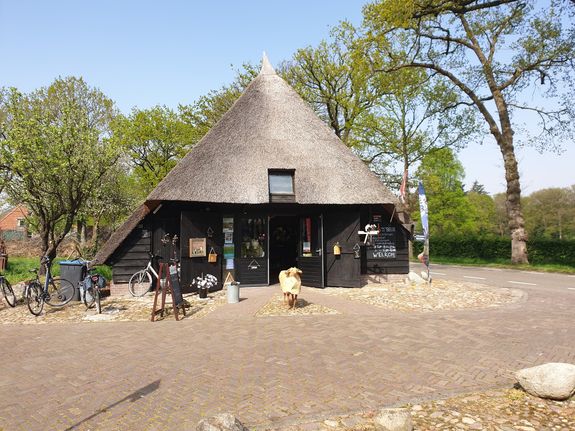
- After the forest, you can see the old esdorp Echten in the distance. It originated around 1180 as an area owned by the monastery of Ruinen. In the 13th century, descendants of the van Coevorden family settled in Echten and built the manor house: Huize Echten. The oldest part of the current house probably dates from the 15th century. The garden around the house is of much more recent date and was laid out in 1992. If you are still looking for some tourist information of the area, you can go to country shop 't HUUS met de BELLE in Echten.
- The cycle tour continues towards Koekange. Along the way, there is also a nice place of interest here: Landgoed Welgelegen with a tin museum and a teashop. Welgelegen's front house was built in 1881 in the eclectic style. A beautiful red beech stands in the front garden. It is advisable to check the opening hours of this estate in advance.
- Koekange used to be part of the large peat bog between Ruinen and Meppel, of which the Charter Book for Drenthe and Groningen already mentions in the year 1141. The village of Koekange is thus a former peat colony and, as such, this can still be easily recognised by the location and shape of the land.
- In the hamlet of Blijdenstein, in a beautiful spot, stands the parish church of Blijdenstein, which fell under the 'Heerlijkheid Ruinen and Ruinerwold'. This church was first mentioned in a charter of 1152 confirming donations to it by the Utrecht bishop Hartbert (1139-1150). Towards the end of the 12th century, a small Romanesque church made of monastic bricks was built. At the beginning of the 15th century, it was greatly enlarged -in Gothic style- and a tower was added.
There was also said to have been a monastery on Blijdenstein, but it turned out to be a forged deed after all. There was a fire in the tower in the 18th century, possibly caused by lightning. The thick oak beams of the upper tower floor still show clear burn marks. The interior of the church includes an Oecklen organ. - Arriving in Ruinerwold, the variety of farms is striking. The village originated from the then monastery in Ruinen. Until around the 10th century, it was peatland. In 1141 this area was partly reclaimed and inhabited, as evidenced by old deeds stating that tithes (type of tax) were levied on this area. In earlier times, the land around Ruinerwold was used by peasant farmers: crofters and gentleman farmers. The differences between rich and poor were great.
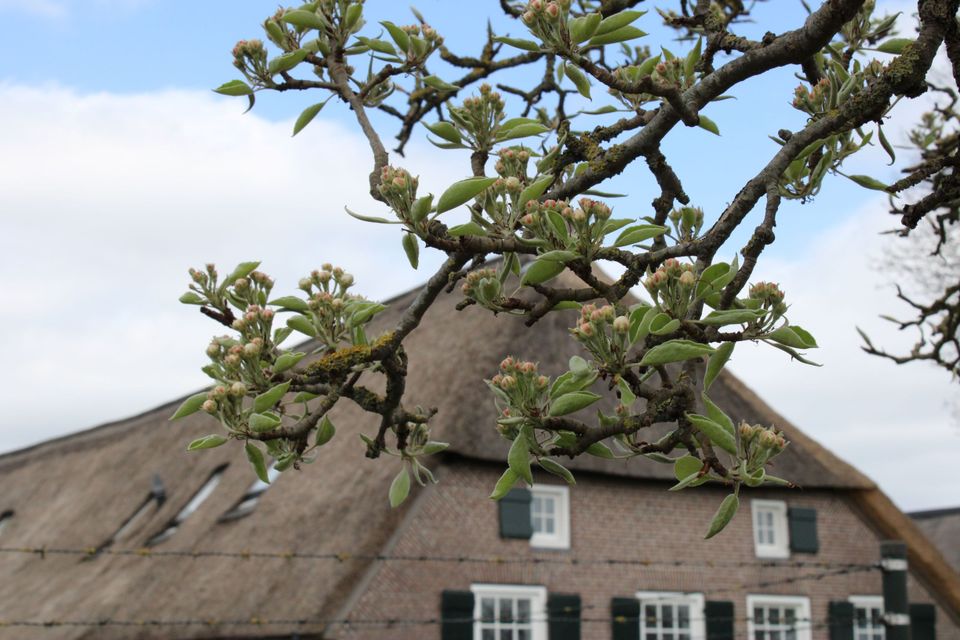
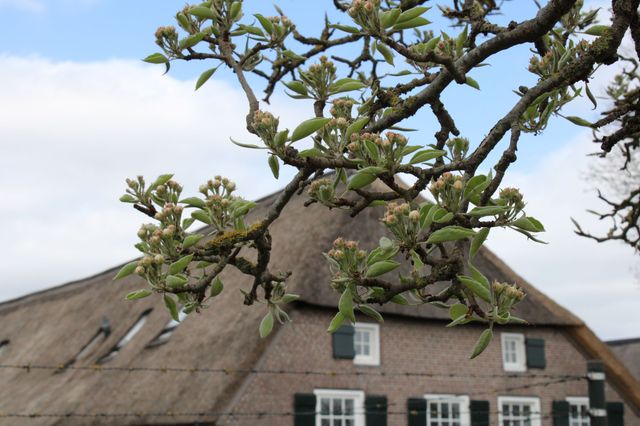
- Along the Dr Larijweg in Ruinerwold, which was laid out in 1925, there is a ribbon of several farms including the museum farm De Karstenhoeve at no 21. This Saxon farmhouse was home to the wealthy Karsten farming family from 1680 to 1841. During the construction of Dr Larijweg, a thousand standard pear trees were planted along the road. The flowering period is a beautiful sight every spring. On the first Saturday in October, the rich harvest is sold by auction.
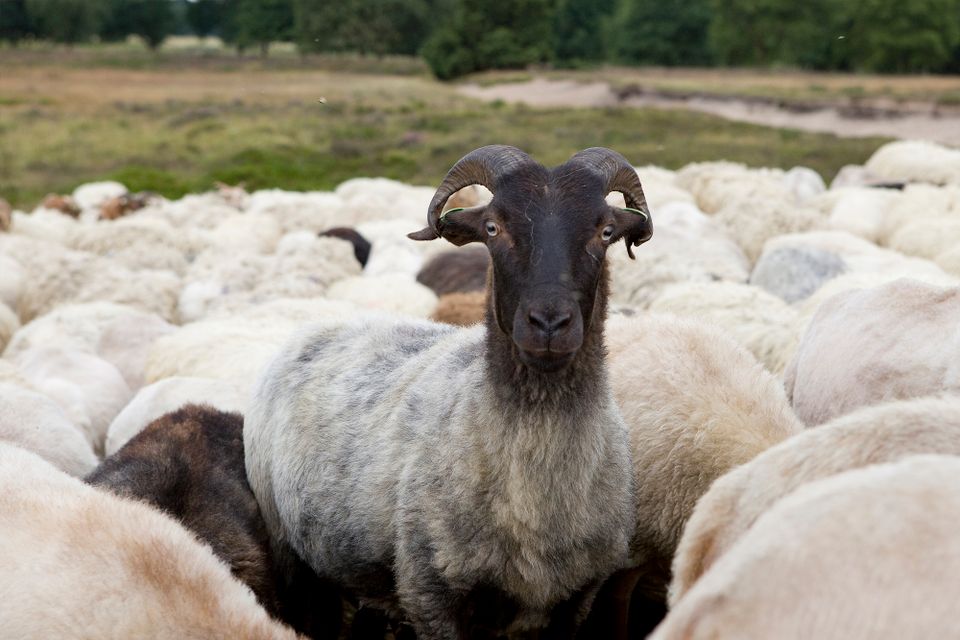
- Via the Dr. Larijweg and the Meppelerweg it is back to Ruinen by bike. Or first eat an ice cream on the way at Speel- en ijsboerderij De Drentse Koe? Once back in Ruinen, you can visit Bezoekerscentrum Dwingelderveld, located outside Ruinen on the edge of National Park Dwingelderveld. The discovery of Western Europe's largest continuous wet heathland begins here. Near the Visitor Centre is the pen of the Ruinen sheep flock. The watchtower at the Ruiner sheepfold offers a beautiful view of the Dwingelderveld.
- 85
- 76
- 41
- 91
- 77
- 93
- 84
- 75
- 29
- 69
- 68
- 66
- 67
- 60
- 83
- 3
- 26
- 53