


Urnenveld Circular Walk
(6.5 km)
This 6.5 km route takes you through the Koelingsveld and Brouwersveld: tranquil, expansive countryside with a rich history. Here, you’ll walk along ancient sandy paths and open country lanes, amongst burial mounds and landscapes where people lived, worked and buried their dead thousands of years ago.
You start at Grenzeloos Doldersum, where you’re welcome to enjoy a cup of coffee or breakfast before setting off. The route isn’t signposted, so please use a map or a GPX file.
A notable first stop is the burial mound ‘De Generaal’, a prehistoric burial site dating from the late Bronze Age or early Iron Age. Not far from there, you’ll pass ‘De Majoor’, a second burial mound which, together with the first, underlines the importance of this area as a burial ground. You can still see many of these ancient mounds in the landscape – sometimes clearly visible, sometimes almost hidden in the grass.
A little later, you’ll be walking along the Huenderweg…
This 6.5 km route takes you through the Koelingsveld and Brouwersveld: tranquil, expansive countryside with a rich history. Here, you’ll walk along ancient sandy paths and open country lanes, amongst burial mounds and landscapes where people lived, worked and buried their dead thousands of years ago.
You start at Grenzeloos Doldersum, where you’re welcome to enjoy a cup of coffee or breakfast before setting off. The route isn’t signposted, so please use a map or a GPX file.
A notable first stop is the burial mound ‘De Generaal’, a prehistoric burial site dating from the late Bronze Age or early Iron Age. Not far from there, you’ll pass ‘De Majoor’, a second burial mound which, together with the first, underlines the importance of this area as a burial ground. You can still see many of these ancient mounds in the landscape – sometimes clearly visible, sometimes almost hidden in the grass.
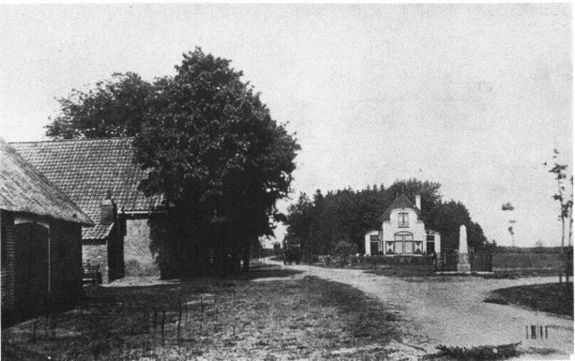
A little later, you’ll be walking along the Huenderweg, named after Mr Huender, who worked to preserve this landscape in the early 20th century. There is a memorial stone along this road in honour of his work.
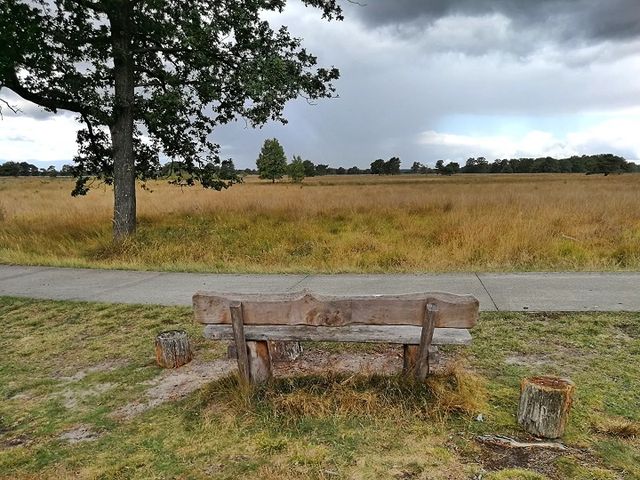
Halfway along the route, you’ll walk through open countryside where you can truly feel the tranquillity: vast, quiet stretches of heathland and sandy soil that gradually give way to woodland. You’ll pass the edge of the Meeuwenkolonie – a special nature reserve where you can see plenty of birds at the right time of year. This is the perfect spot to pause for a moment and take in the surroundings.
The route is largely unpaved. Sturdy footwear is recommended, especially in wet weather. Dogs are welcome, provided they are kept on a lead.
Whether you’re coming for the scenery, the history or the peace and quiet, this circular walk offers a unique glimpse into a forgotten past, right in the heart of Drenthe’s countryside. Round off your walk at Grenzeloos, where you can relax and reflect over a hot drink or a tasty treat.
You are going to see this
-
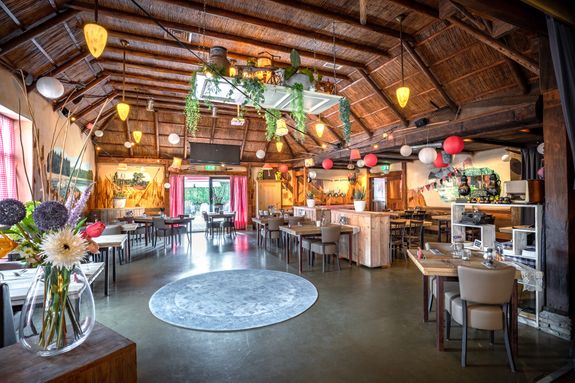
Visitor centre | Boundless Doldersum
Visitor centre | Boundless Doldersum
Boundless is located in a unique piece of culture/nature. Before you start your walk or bike ride, it is highly recommended to come and have a look at our visitor centre. From...
-
Doldersum
Doldersum
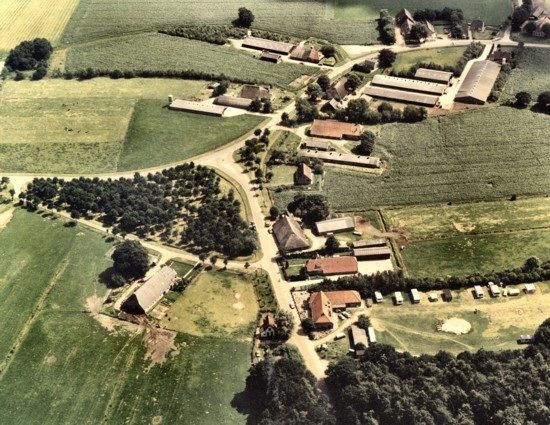
Doldersum is a small esdorp and possibly the oldest village in the former municipality of Vledder. Nearby are "the Major" and "the General ", two old burial mounds from the late Stone or Iron Age. North of Doldersum lies the Doldersummerveld.
-
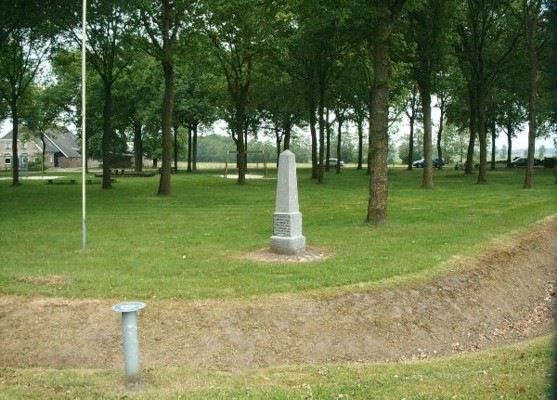
Huenderweg with Mr Huender's monument
Huenderweg with Mr Huender's monument
This used to be the "road from Vledder over Doldersum to Wateren". This road was named after W. Huender, notary, from Steenwijk. He worked to pave the roads Vledder-Doldersum-Wateren and Doldersum-Boyl.
-
Grave mounds the General & Major
Grave mounds the General & Major
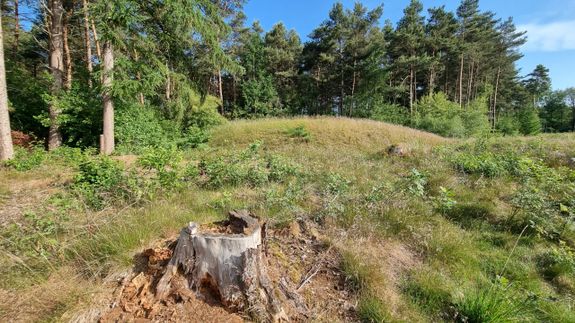
In the late Stone Age and Iron Age, the dead were buried in burial mounds. Drenthe still has many hundreds of them. Close to the Koelingsveld/Bouwersveld are two burial mounds (the Major and the General (is the largest and oldest)) in Doldersum.
-
Stork Avenue
Stork Avenue
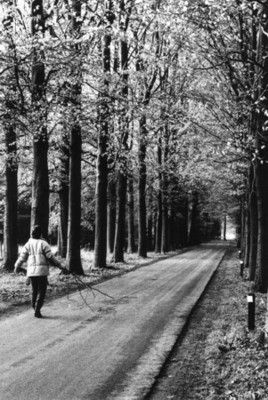
The name of this street probably comes from the stork. In Drenthe, a stork is a störk or stork. In the past, there were several stork nests in the trees along the road.
-
Doldersum trailer park
Doldersum trailer park
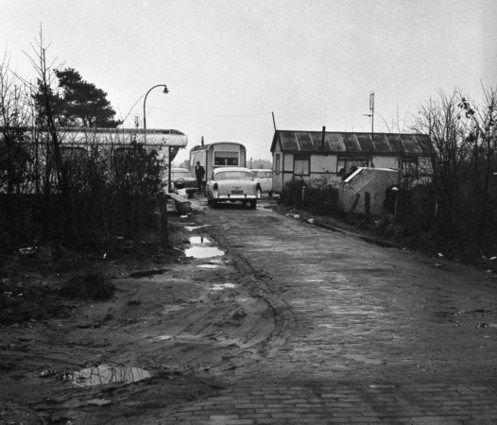
On Solweg from Vledder to Doldersum, from about 1930 onwards, there was a caravan camp. The camp was extremely spartan; there was hardly any paving, no electricity, no lighting and no toilet facilities.
-
Solweg
Solweg
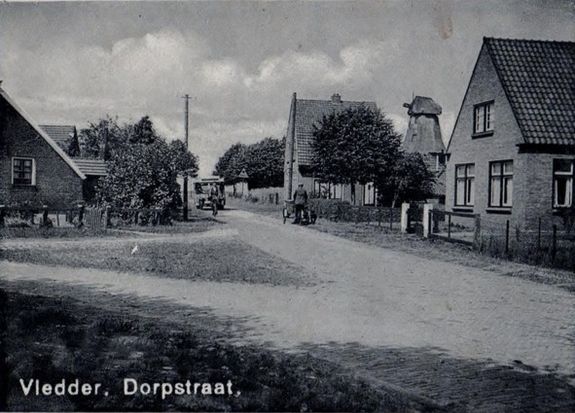
Where the name comes from cannot be said with certainty. The name Solweg could be explained by the fact that it opens onto the sollen: round fens with shallow water. Solweg used to be a clinker road, full of potholes and holes. Later, the road was paved
-
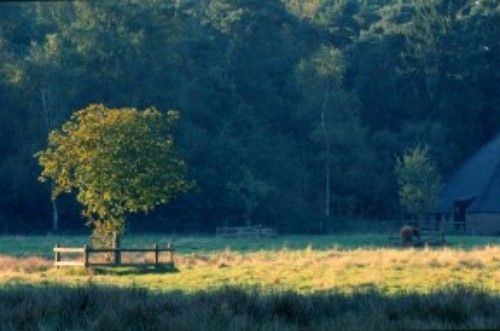
Vledderhof country estate
Vledderhof country estate
The De Vledderhof estate is located north of the village of Vledder. Stately avenues and inviting footpaths lead here through varied woodlands and scenically beautiful cultivated land plots with several pools and ponds.
-
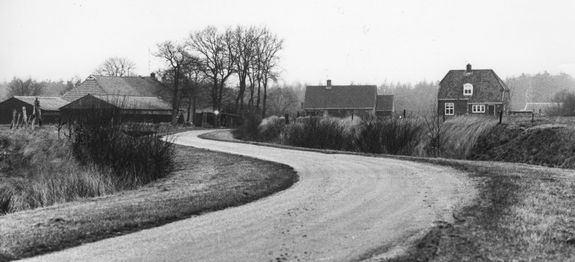
Nijejoarsweg
Nijejoarsweg
This road between Madeweg and Huenderweg used to be called Holleweg. In the 1975 and 1978 council meetings, there was a request to rename the road to Neijjaorsweg. The street name signs read Neijoarsweg. So another spelling.
-
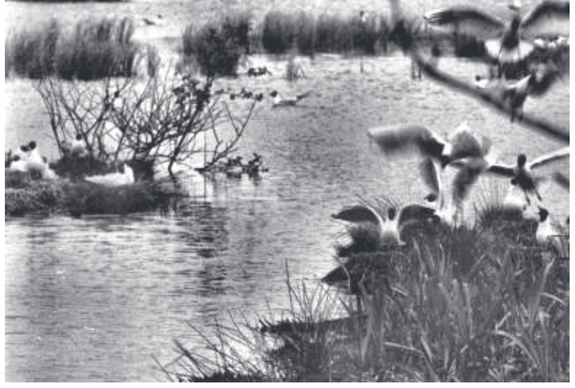
Seagull colony
Seagull colony
In the mid-50s, many seagulls could be found at the adder hole (fen further down the road). To be found on the Bouwersveld and Koelingsveld. At some point, they moved to other ven. This fen is therefore called gull colony.
-
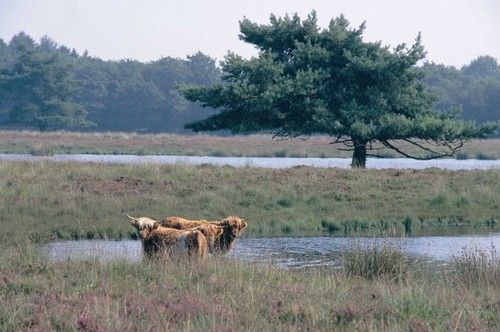
Bouwersveld and Koelingsveld
Bouwersveld and Koelingsveld
Amid an environment rich in forests and nature reserves, Bouwersveld and Koelingsveld form one nature reserve. Few paths run through the area, making it barely accessible to the public.
-
Hollow on the made road
Hollow on the made road
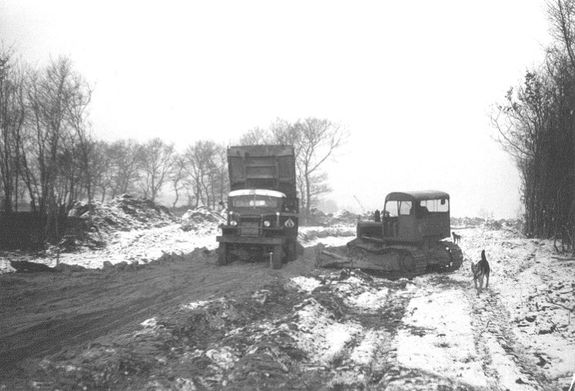
This road runs along and through the "Maden", "Maten" or meadows. In 1965, the road was constructed (as a result of land consolidation). This contains the first Hiding Hole. No remains of the den can be found. Four boys once sat there.
-
Boundless - Sleep Eat Experience
Boundless - Sleep Eat Experience
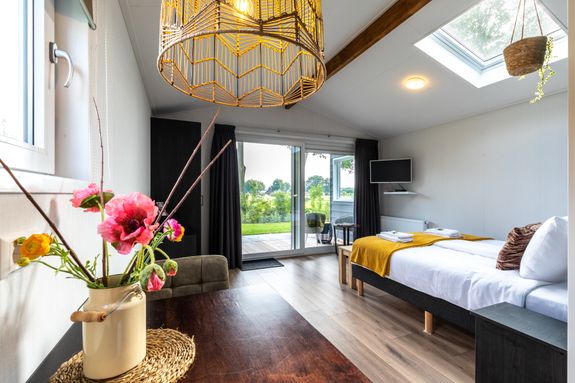
Discover our multi-day benefit packages and enjoy your stay to the full. If you book directly, you pay no booking fee.
-
Brink Doldersum
Brink Doldersum
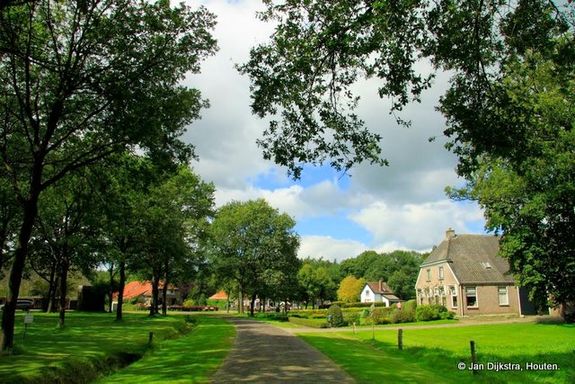
It is believed that the hamlet of Doldersum is probably older than the main village of Vledder. It had its own (winter) school until 1875 and is also believed to have had its own church.
-
-
End point Visitor Centre Boundless Doldersum
End point Visitor Centre Boundless Doldersum
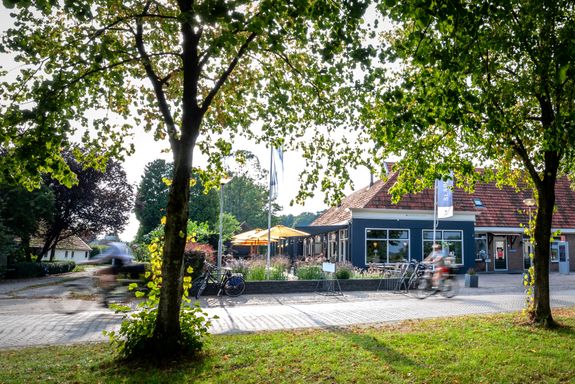
We hope you enjoyed the surroundings, come and enjoy a snack or drink in the restaurant at Boundless. Current opening hours can be found on the site of grenzeloos-drenthe.nl (at the bottom of each page).
Description
Visitor centre | Boundless Doldersum
Boundless is located in a unique piece of culture/nature. Before you start your walk or bike ride, it is highly recommended to come and have a look at our visitor centre. From...
Additional info
This is the shorter route from Doldersum to Frederiksoord to Urnenveld. This route simply circles Urnenveld if you want to take a quick walk and see a bit of the surrounding area.
You start at the visitor centre, then turn right and follow the bend to the right, towards Vledder.
On your left you’ll come across the burial mounds and on your right you’ll pass the urn field.
Take the Madeweg to the Nijjaorsweg, then follow the Huenderweg to the Brink. You’ll eventually find yourselves back at Grenzeloos.
In the late Stone Age and Iron Age, the dead were buried in burial mounds. Drenthe still has many hundreds of them. There are two burial mounds (popularly known as the Majoor and the Generaal) in Doldersum. It is believed that these were constructed during the Bronze Age, which dates back to around 1000–500 BC. There is also an urn field in the Koelingsveld between Vledder and Doldersum. Settlements that existed around 500 BC in places such as Doldersum cremated their dead and buried them in an urn in an urn field.
The Koelingsveld is home to one of the largest urn fields in north-western Europe, featuring burial mounds dating from the late Bronze Age and Iron Age. The burial ground came into use from the late Bronze Age, 1100 BC, when the practice of cremation was first adopted. The cremated remains were sometimes buried in an urn. The remains of various structures were found in the centre of the urn field. The field was fully excavated in 1937.
End point Visitor Centre Boundless Doldersum
We hope you enjoyed the surroundings, come and enjoy a snack or drink in the restaurant at Boundless. Current opening hours can be found on the site of grenzeloos-drenthe.nl (at the bottom of each page).