


Doldersum - Frederiksoord - Urnenveld
(20.1 km)
This 20.1 km long walking route takes you through the southern part of the Drents-Friese Wold National Park, where nature, culture and history come together. You start at Grenzeloos Doldersum, a hospitable place where you can go for a cup of coffee or information about the area.
From the brink village, you walk past the former gamekeeper's house and the monument of Mr Huender, who worked to improve local infrastructure in the early 20th century. These places remind you how man and nature have been connected here for centuries.
Soon you enter the open Doldersummerveld, an impressive moorland with a 13-metre-high viewing tower. Climb up and look for kilometres across the heathland and forests. From here, the route turns towards the lesser-known but wonderfully beautiful Berkenheuvel area - a gently sloping forest landscape with drifting dunes, fens and crow's heath.
Along the way, you will pass the Sophiahoeve e...
This 20.1 km long walking route takes you through the southern part of the Drents-Friese Wold National Park, where nature, culture and history come together. You start at Grenzeloos Doldersum, a hospitable place where you can go for a cup of coffee or information about the area.
From the brink village, you walk past the former gamekeeper's house and the monument of Mr Huender, who worked to improve local infrastructure in the early 20th century. These places remind you how man and nature have been connected here for centuries.
Soon you enter the open Doldersummerveld, an impressive moorland with a 13-metre-high viewing tower. Climb up and look for kilometres across the heathland and forests. From here, the route turns towards the lesser-known but wonderfully beautiful Berkenheuvel area - a gently sloping forest landscape with drifting dunes, fens and crow's heath.
Along the way, you will pass the Sophiahoeve and the historic hiding places, silent witnesses of World War II. They are discreetly marked, but impressive to stop at for a moment. The route winds on to the Wapserveld, a wet heathland with high biodiversity. In the right season, you will find heather in bloom, butterflies and birdsong accompanying your walk.
Through quiet dirt roads, straight forest lanes and winding paths, you return towards Doldersum. The route is largely unpaved; sturdy shoes are therefore a must. Bring a packed lunch if you wish, as there are several quiet spots with a view to take a break along the way. Dogs are welcome if kept on a lead.
This route is recommended for walkers who enjoy long treks, but also want to feel the space to reflect on nature, history and the story the landscape tells along the way.
You are going to see this
-
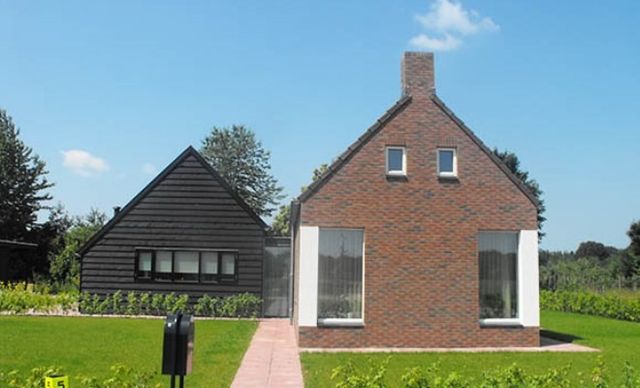
Visitor centre | Boundless Doldersum
Visitor centre | Boundless Doldersum
Boundless is located in a unique piece of culture/nature. Before you start your walk or bike ride, it is highly recommended to come and have a look at our visitor centre. From...
-
Doldersum
Doldersum
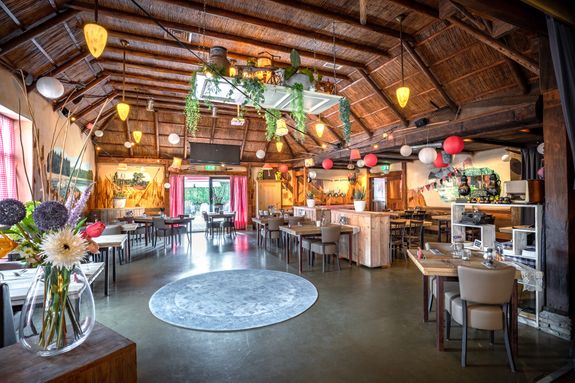
Doldersum is a small esdorp and possibly the oldest village in the former municipality of Vledder. Nearby are "the Major" and "the General ", two old burial mounds from the late Stone or Iron Age. North of Doldersum lies the Doldersummerveld.
-
-
Jewish cemetery
Jewish cemetery
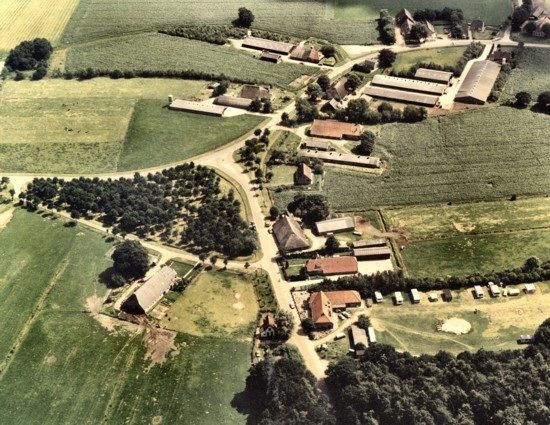
The name Jodenkerkhof occurs at a small plot about 1.25 m higher on the road from Doldersum to Boijl. In 1833, archaeologist C.J.C. Reuvens searched for this spot and called it "Smousenkerkhof."
-
Boschoord estate
Boschoord estate
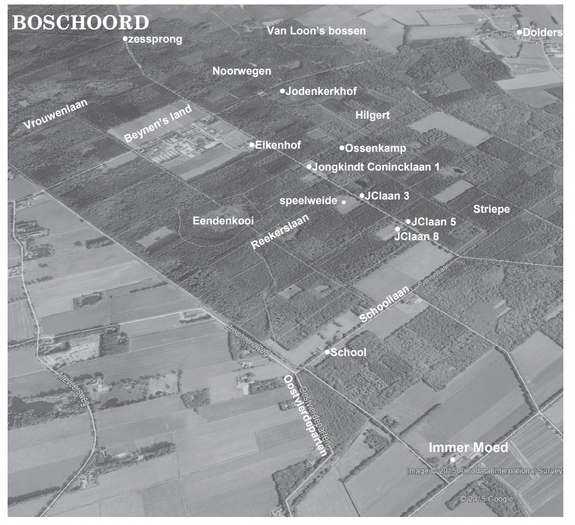
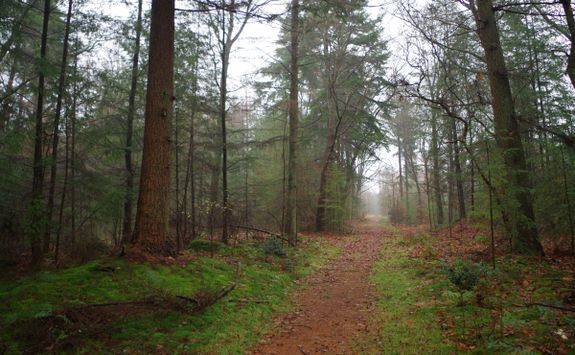
Landgoed Boschoord is a special area on the southern flank of the Drents-Friese Wold. It covers 650 hectares and consists largely of forest, but there are also peat bogs and fens with high nature values.
-
Grave mounds the General & Major
Grave mounds the General & Major
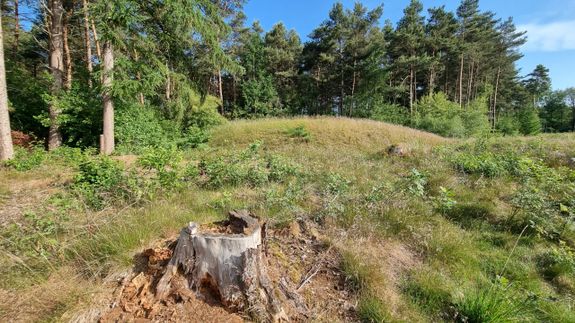
In the late Stone Age and Iron Age, the dead were buried in burial mounds. Drenthe still has many hundreds of them. Close to the Koelingsveld/Bouwersveld are two burial mounds (the Major and the General (is the largest and oldest)) in Doldersum.
-
Stork Avenue
Stork Avenue
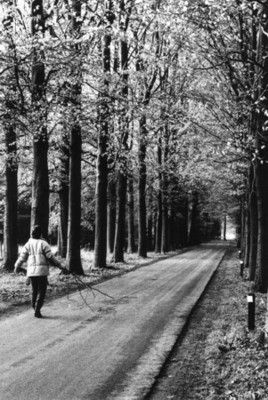
The name of this street probably comes from the stork. In Drenthe, a stork is a störk or stork. In the past, there were several stork nests in the trees along the road.
-
Hoeve De Werkhorst
Hoeve De Werkhorst
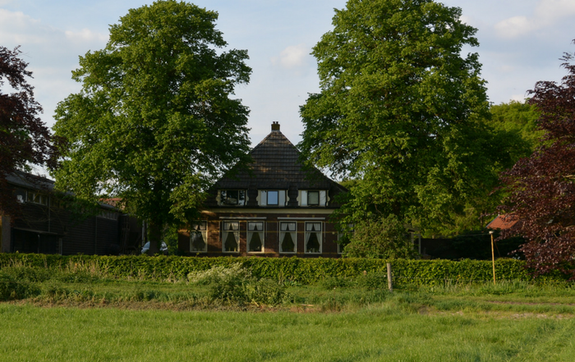
On the edge of the woods and moors of the Drents-Friese Wold is Hoeve De Werkhorst. At this rural farm, the Bethlehem family runs a modern dairy farm where fresh dairy products are made and sold.
-
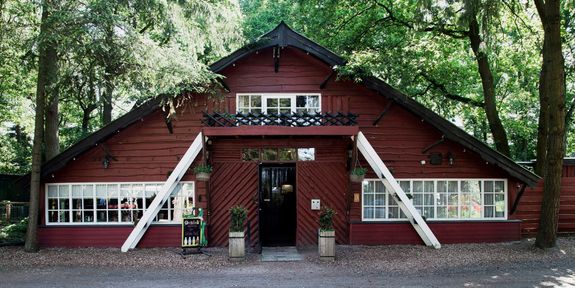
The Wild Court
The Wild Court
In the 1950s, De Wilde Hof housed a contracting company. Declining income in the 1960s forced the Ipema family to take a different path. For students who came to camp for a week. They later decided to bake pancakes.
-
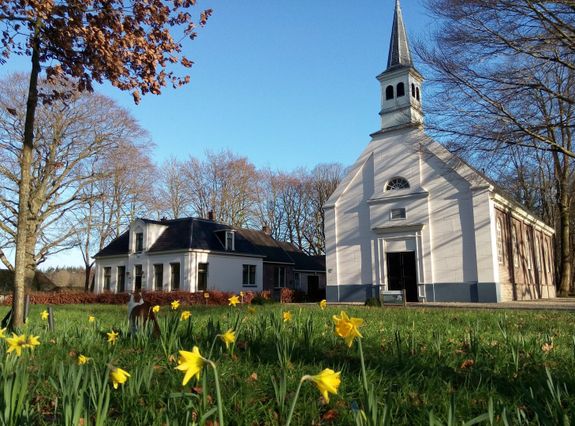
Colony church Wilhelminaoord
Colony church Wilhelminaoord
Characteristic white church with beautiful garden behind it surrounded by trees and an atmospheric outbuilding with wood-burning stove. The light is wonderful in this pretty, bright little church. Weddings, concerts and other beautiful events regularly take place here.
-
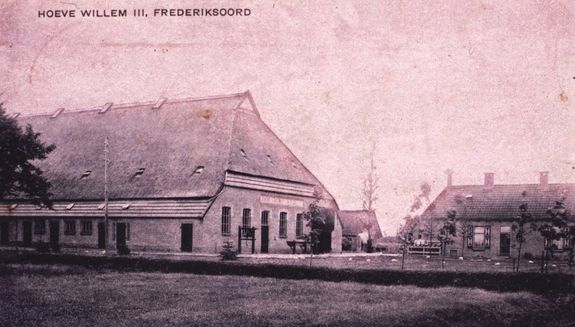
Koning Willem III farmstead
Koning Willem III farmstead
This barn was commissioned and designed by the Society of Weldadigheid in 1865. The farm has traditionally served as a model for the Society's policy of scaling up and hee...
-
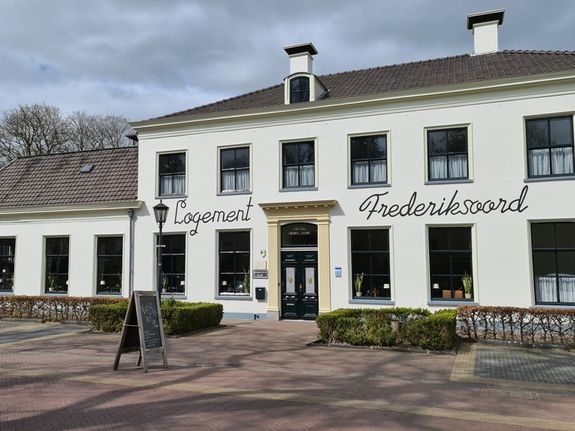
Frederiksoord
Frederiksoord
Frederiksoord is the oldest Colony of Weldadigheid. Frederiksoord was the site of Johannes van den Bosch in 1818 with carte blanche from King William I offering new opportunities to paupers from urban areas.
-
Mayor Wynoldyweg
Mayor Wynoldyweg
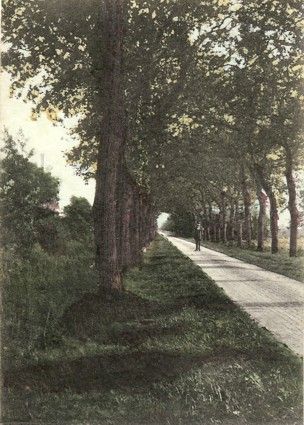
This road bears the name of Johan Albert Casper Wynoldy, mayor from 1876- 1906 of Vledder. However, it also used to be referred to as 'den grintweg van Frederiksoord naar Havelte'.
-
Museum The Trial Colony
Museum The Trial Colony
SEE - EXPECT - ENJOY Welcome to this special experience museum that takes you back in time some 200 years. Here you will discover the origins of our welfare state during a multimedia time travel. Experience the story of the first settlers.

-
Queen Wilhelmina Avenue
Queen Wilhelmina Avenue
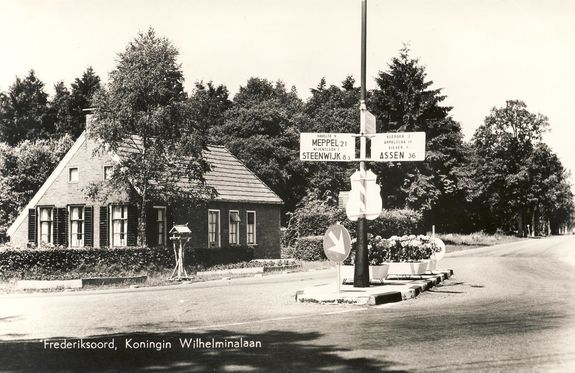
Around 1832, this was the "New Colony Road from Noordwolde over Frederik-oord". It is also referred to as the "Noordwoldigerweg", and around 1900 we see the name "Queen Wilhelmina Avenue". The street runs from Frederik-oord to across the border with Friesland.
-
Miramar sea museum
Miramar sea museum
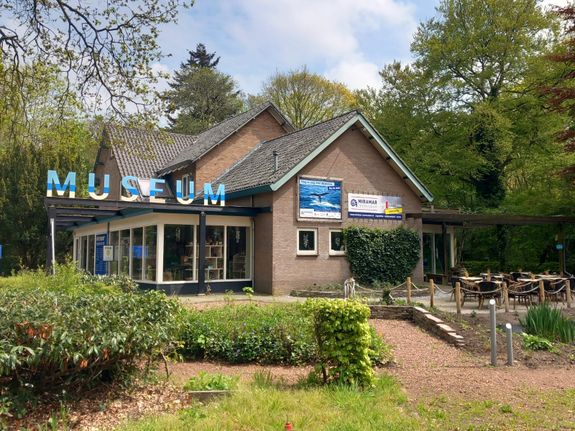
Nowhere in Drenthe can you find the sea, except in Vledder. Since 1965, Miramar sea museum, founded by Ms Jeanne Warners, has been here. She collected her impressive collection of shells, corals and other marine animals from over eighty countries.
-
Bosbad Vledder
Bosbad Vledder
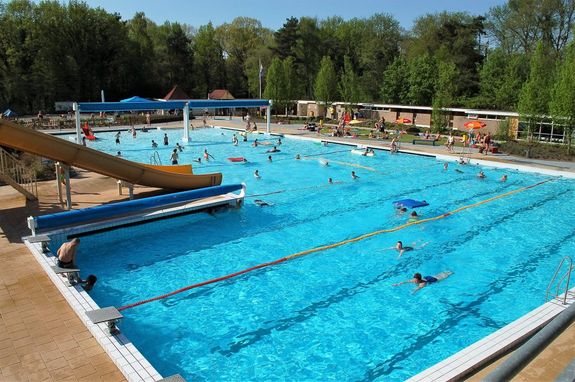
Swimming is for anyone who enjoys being active in the water. Recreational swimming is open to everyone. During opening hours, everyone can swim freely at their own pace and in their own way.
-
Vledderlanden
Vledderlanden
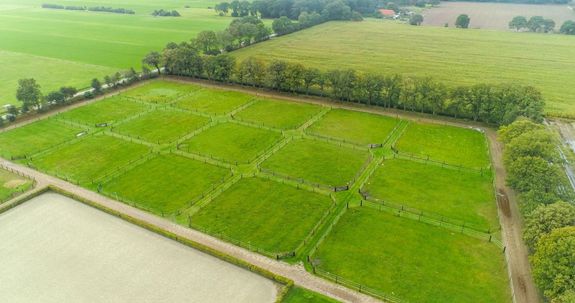
Vledderlanden 1 to 4 lie in Vledder within the municipality of Westerveld in the province of Drenthe. Vledderlanden is located in the neighbourhood Verspreide huizen Vledder and also belongs to the district Wijk 11 Vledder in the municipality of Westerveld.
-
Vledder
Vledder
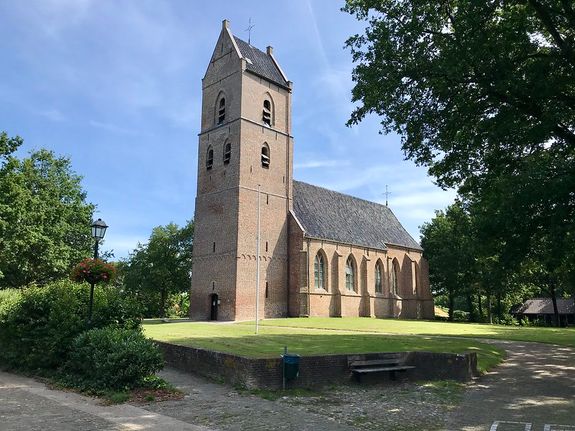
Vledder is an esdorp. in the municipality of Westerveld, in the Dutch province of Drenthe. Vledder, like many other Drenthe brink villages, has a long history.
-
Dorpsstraat Vledder
Dorpsstraat Vledder
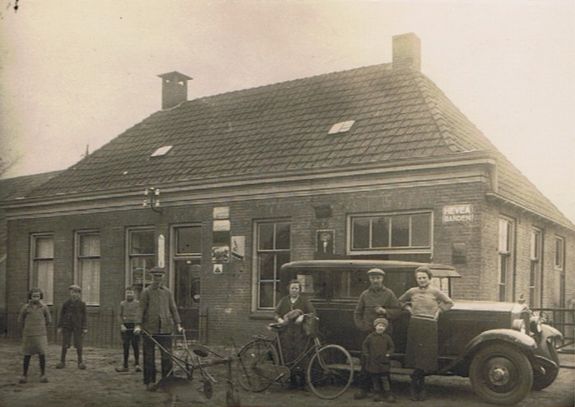
Dorpsstraat as a name only came into existence due to name changes in 1960-1961. It used to be Wijk I. Later, it was Voorstraat. It was also called the Hoofdstraat. The building that now houses the Chinese served as a vicarage for many years.
-
Museum False Art
Museum False Art
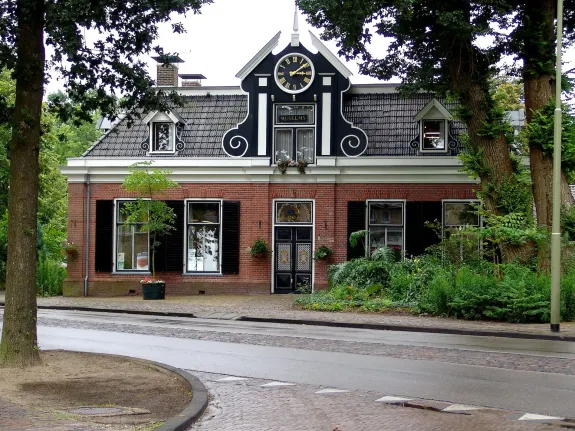
Being conned into your art purchase. It happened to Henk and Erna Plenter several times. In the late 1990s, they moved their private collection of paintings and contemporary glass art to the former Raadhuis in Vledder. The collection was supplemented with paintings by artists from Drenthe.
-
Oosteind
Oosteind
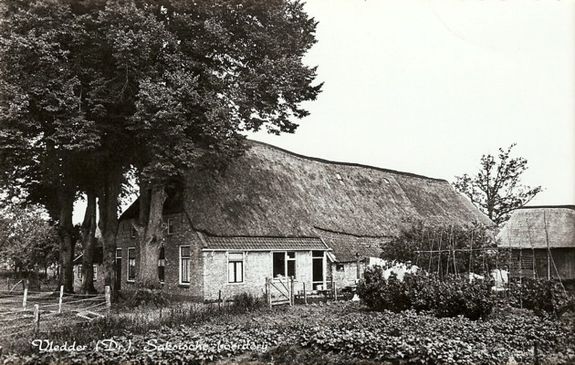
The name of this street has not changed over the years. The eastern part of Vledder used to be called "Oosteind", and on this road stands 1 of the oldest farms in Vledder. This farm was built in 1701.
-
Bouwersveld and Koelingsveld
Bouwersveld and Koelingsveld
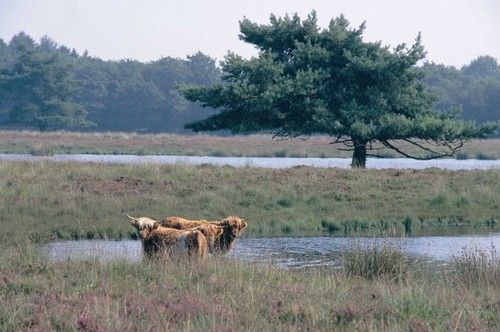
Amid an environment rich in forests and nature reserves, Bouwersveld and Koelingsveld form one nature reserve. Few paths run through the area, making it barely accessible to the public.
-
Seagull colony
Seagull colony
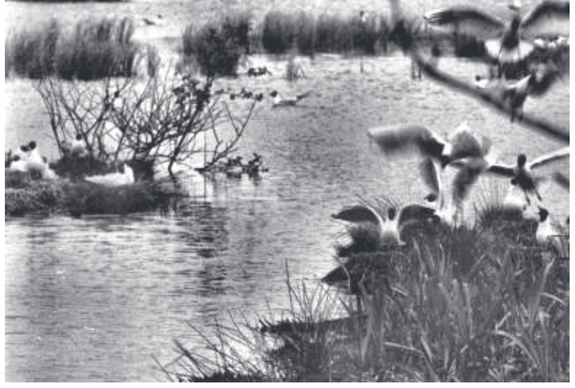
In the mid-50s, many seagulls could be found at the adder hole (fen further down the road). To be found on the Bouwersveld and Koelingsveld. At some point, they moved to other ven. This fen is therefore called gull colony.
-
Vledderhof country estate
Vledderhof country estate
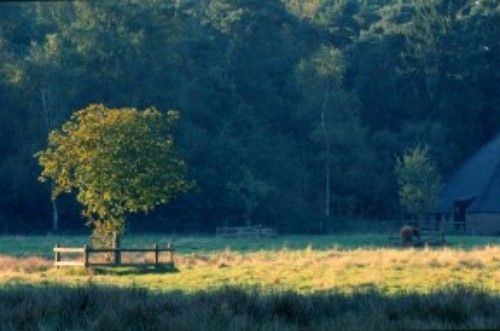
The De Vledderhof estate is located north of the village of Vledder. Stately avenues and inviting footpaths lead here through varied woodlands and scenically beautiful cultivated land plots with several pools and ponds.
-
Solweg
Solweg
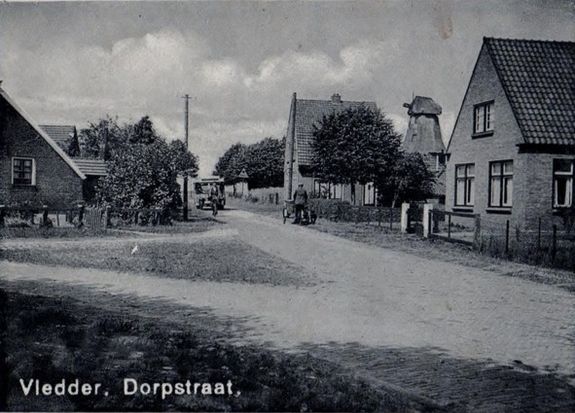
Where the name comes from cannot be said with certainty. The name Solweg could be explained by the fact that it opens onto the sollen: round fens with shallow water. Solweg used to be a clinker road, full of potholes and holes. Later, the road was paved
-
Doldersum trailer park
Doldersum trailer park
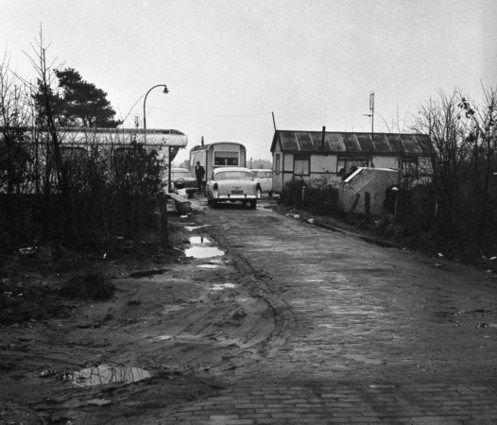
On Solweg from Vledder to Doldersum, from about 1930 onwards, there was a caravan camp. The camp was extremely spartan; there was hardly any paving, no electricity, no lighting and no toilet facilities.
-
Nijejoarsweg
Nijejoarsweg
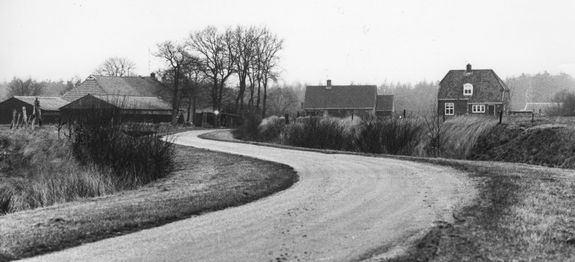
This road between Madeweg and Huenderweg used to be called Holleweg. In the 1975 and 1978 council meetings, there was a request to rename the road to Neijjaorsweg. The street name signs read Neijoarsweg. So another spelling.
-
Hollow on the made road
Hollow on the made road
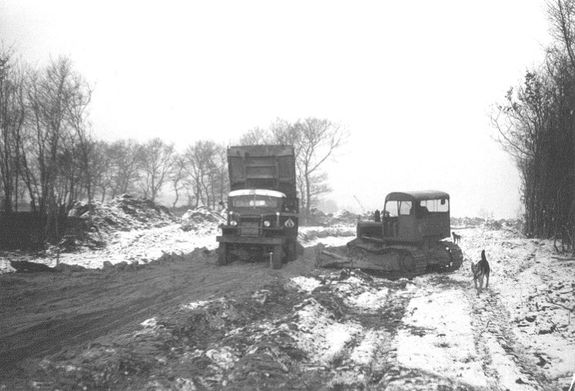
This road runs along and through the "Maden", "Maten" or meadows. In 1965, the road was constructed (as a result of land consolidation). This contains the first Hiding Hole. No remains of the den can be found. Four boys once sat there.
-
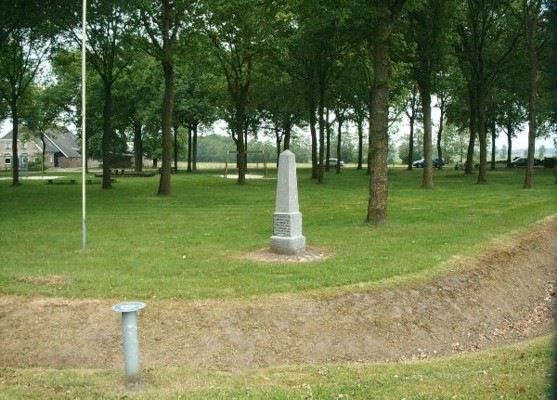
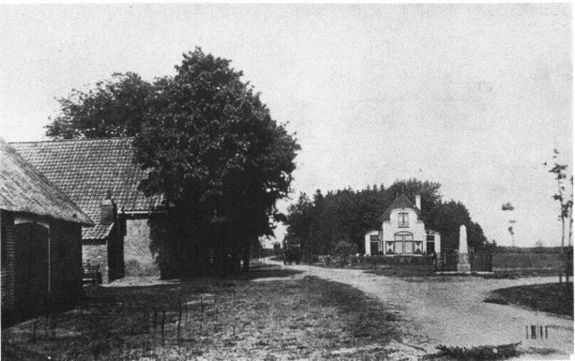
Huenderweg with Mr Huender's monument
Huenderweg with Mr Huender's monument
This used to be the "road from Vledder over Doldersum to Wateren". This road was named after W. Huender, notary, from Steenwijk. He worked to pave the roads Vledder-Doldersum-Wateren and Doldersum-Boyl.
-
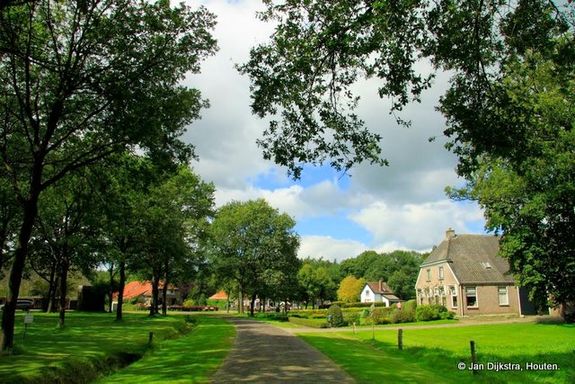
Brink Doldersum
Brink Doldersum
It is believed that the hamlet of Doldersum is probably older than the main village of Vledder. It had its own (winter) school until 1875 and is also believed to have had its own church.
-
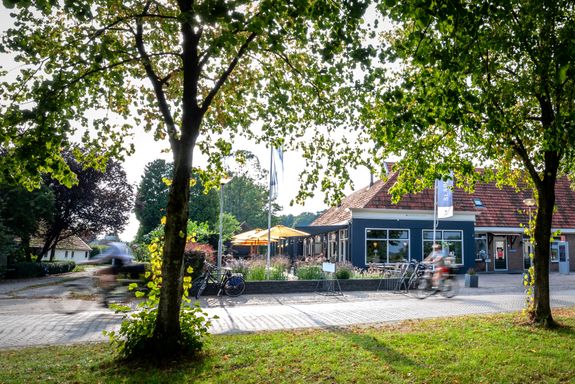
End point Visitor Centre Boundless Doldersum
End point Visitor Centre Boundless Doldersum
We hope you enjoyed the surroundings, come and enjoy a snack or drink in the restaurant at Boundless. Current opening hours can be found on the site of grenzeloos-drenthe.nl (at the bottom of each page).
Description
Visitor centre | Boundless Doldersum
Boundless is located in a unique piece of culture/nature. Before you start your walk or bike ride, it is highly recommended to come and have a look at our visitor centre. From...
Additional info
This route, which runs from Doldersum to Frederiksoord and back again, starts at the visitor centre Grenzeloos in Doldersum. Along the way, you will see the beautiful landscapes of Drenthe and the wonderful nature that shows itself from different sides.
This is the extended route that goes from Doldersum past the Urnenveld. So if you want to go for a slightly longer route, this one is perfect because it also goes to the village of Frederiksoord. So this is the perfect route for nature and history lovers but also those who still like to visit a village.
The Doldersum - Frederiksoord - Urnenveld route starts at the visitor centre Boundless Doldersum.
From Doldersum, you go to Landgoed Boschoord. There seems to be a site there, what is called the Jewish cemetery. Nothing has ever been found. So into the forest and now you look at the burial mounds from the forest side. Via the Storklaan you pass Hoeve de Werkhorst (for delicious dairy products) to get to the Wilde hof (for the tastiest pancakes) via the Vledderhof path. Via the Reeweg and the Hooiweg, you go to the small colony church of Wilhelminaoord, passing Hoeve Koning Willem III. You can deviate for a moment to go to Frederiksoord or to the Proefkolonie. Via Koningin Wilhelminalaan, you will see Zeemuseum Miramar and the forest pool. Via the Vledderlanden, go to the Heidemaatsweg, which includes the Urnenveld and gull colony, as well as the Solweg, Vledderhof, old Gypsy camp site. Via Huenderweg, head along the Brink towards the Jachtopzienershuisje to Grenzeloos where you started. Have a nice snack or cup of coffee, hoping for a successful active walking day.
Of course, if you want to take a shorter route that only passes by the Urnenveld, you can also do so (round Urnenveld). Then take a look at the route Urnenveld.
End point Visitor Centre Boundless Doldersum
We hope you enjoyed the surroundings, come and enjoy a snack or drink in the restaurant at Boundless. Current opening hours can be found on the site of grenzeloos-drenthe.nl (at the bottom of each page).