Frederiksoord monument trail
(11 km)
This 11 km long walking route takes you past various monuments of the Society of Weldadigheid. You enter the 'outdoor museum' of the Colonies of Weldadigheid, as it were. The monuments are equipped with an information board and when you scan the QR code on this board, you will receive even more details. You have the option to cut off the route at a number of points, reducing the distance you have to walk (3.7 - 5 - 8 - 9 or 11 km). The route is paved everywhere. Have fun walking and don't forget to visit Museum De Proefkolonie.
Parking and public transport
There is plenty of parking at the starting point of the route, but also nearby. Coming by public transport? Get off at bus stop Beukenlaan, then you are close to the starting point. Plan your public transport journey here.
Signposting
The route...
This 11 km long walking route takes you past various monuments of the Society of Weldadigheid. You enter the 'outdoor museum' of the Colonies of Weldadigheid, as it were. The monuments are equipped with an information board and when you scan the QR code on this board, you will receive even more details. You have the option to cut off the route at a number of points, reducing the distance you have to walk (3.7 - 5 - 8 - 9 or 11 km). The route is paved everywhere. Have fun walking and don't forget to visit Museum De Proefkolonie.
Parking and public transport
There is plenty of parking at the starting point of the route, but also nearby. Coming by public transport? Get off at bus stop Beukenlaan, then you are close to the starting point. Plan your public transport journey here.
Signposting
The route is indicated by yellow signs marked 'Monuments Route'.
Dogs
Dogs are allowed along if leashed.
Food & drink
Want something to eat or drink during this walk? You can do so at the starting and finishing point or at other catering establishments along the way.
Route booklet
You are going to see this
-
Museum The Trial Colony
Museum The Trial Colony
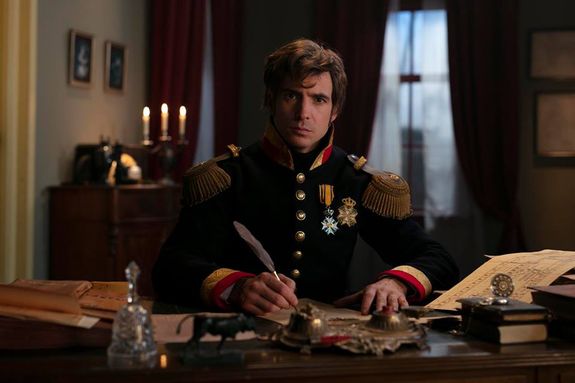
SEE - EXPECT - ENJOY Welcome to this special experience museum that takes you back in time some 200 years. Here you will discover the origins of our welfare state during a multimedia time travel. Experience the story of the first settlers.
-
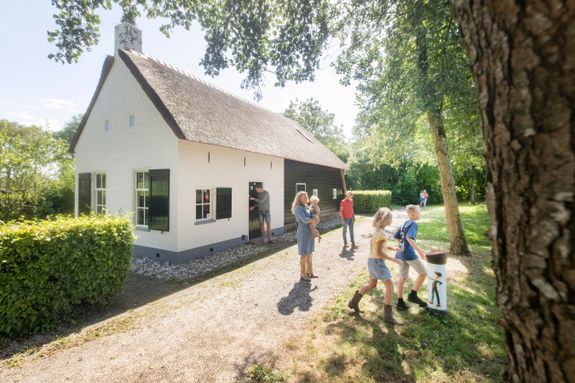
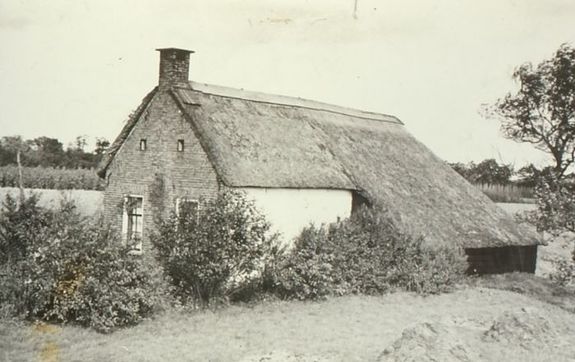
Colony house
Colony house
Characteristic farm workers' house of the Weldadigheid Society. Originally, this house had a simple brick living area with bedsteads and a wooden rear house with threshing part...
-
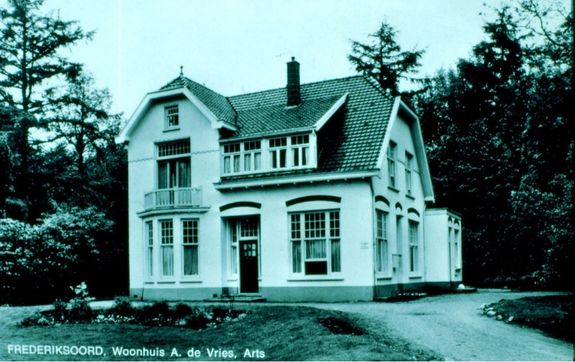
Doctor's house
Doctor's house
The doctor's house (Art Nouveau) was built in 1915 and is characteristic of the facilities of the Weldadigheid Society. The coach house housed the horse and carriage of the...
-
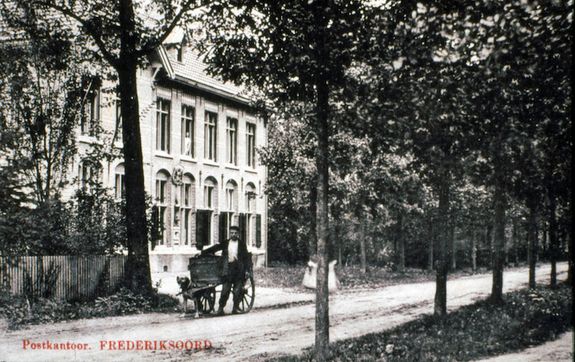
Post office
Post office
The Society got an auxiliary post office in 1861 and an auxiliary telegraph office in 1889. When the offices of the Weldadigheid Society became too small in 1901, the PTT decided to build an auxiliary post office....
-
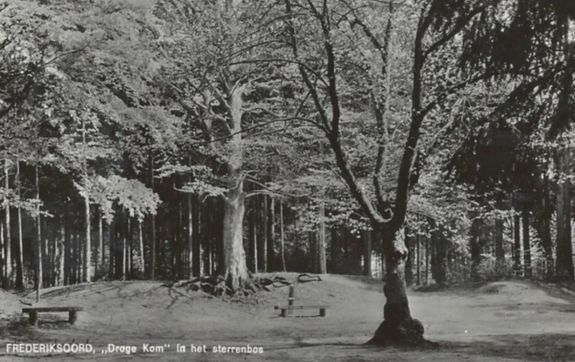
The Star Forest
The Star Forest
Around 1770, this park-like forest was laid out in 'French style' by the van Heloma family, owners of the Westerbeek estate. The Sterrebos gets its name from the star-shaped pattern of the pa...
-
-
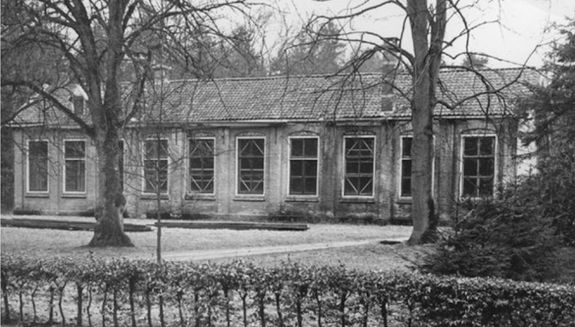
Colony school Frederiksoord
Colony school Frederiksoord
Together with the Colony House, this Colony School can be visited and is part of the outdoor museum of the Colonies of Weldadigheid.
-
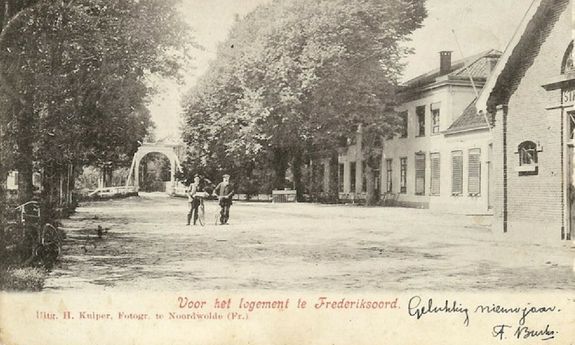
Lodge Frederiksoord
Lodge Frederiksoord
In the late 18th century, the lodge was built by Nicolaas van Heloma, the then owner of Landgoed Westerbeecksloot. After its takeover by the Maatschappij van Weldadigheid in 1818, it was the va...
-
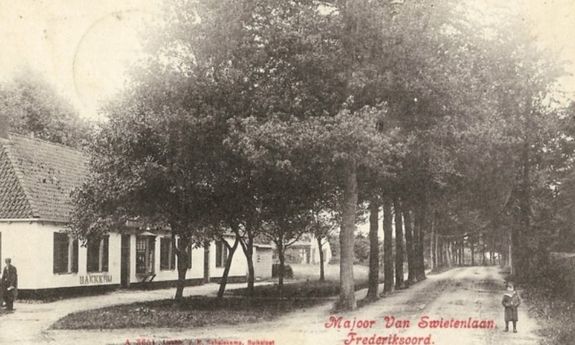
Bakery
Bakery
In the former bakery of Frederiksoord, bread was baked centrally for the inhabitants of the colony. In 1860, it was decided to outsource bread baking and the premises with the w...
-
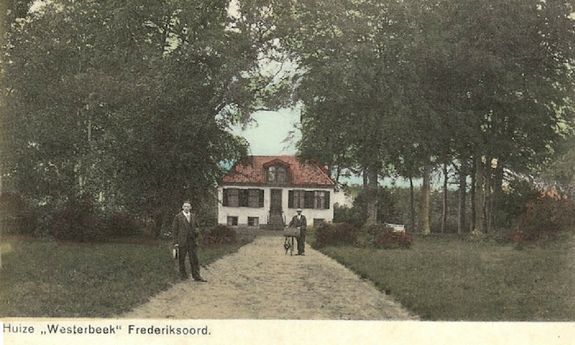
Westerbeek House
Westerbeek House
Huis Westerbeek in Frederiksoord is office of the Society of Weldadigheid. This simple country house was founded around 1770 by Jonkheer Nicolaas van Heloma and belonged to the former...
-
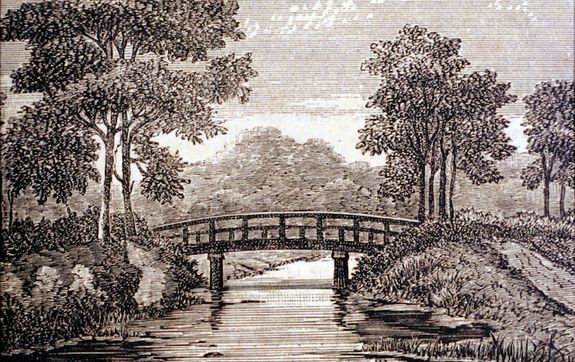
Westerbeeksloot with swinging basin
Westerbeeksloot with swinging basin
At this place in the Westerbeeksloot was a swinging basin that allowed larger ships to turn around. Jonkheer François van Westerbeek had the canal dug around 1615 for the drainage v...
-
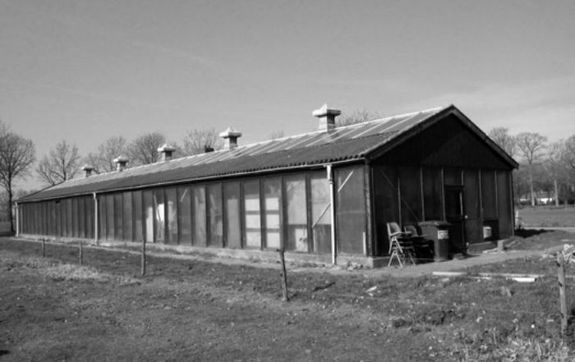
Germ House
Germ House
Commissioned by the Cooperative Society 'Het Kiemhuis', the Kiemhuis was built in 1941-1942. Members could store their seed potatoes in the Kiemhuis during the winter, and early in the spring they could...
-
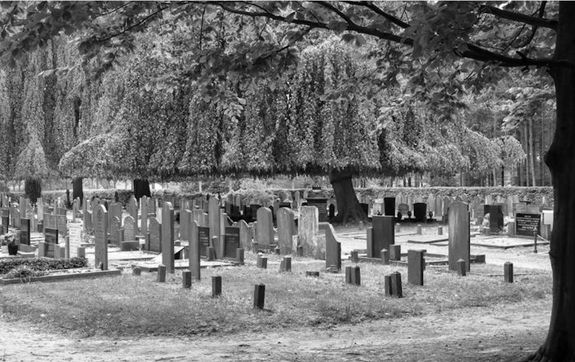
Cemetery | Wilhelminaoord
Cemetery | Wilhelminaoord
Cemetery for directors, officials and colonists of the 'Maatschappij van Weldadigheid'. Constructed around 1820. The cemetery contains the cast-iron grave monument of Daniella Elisabet...
-
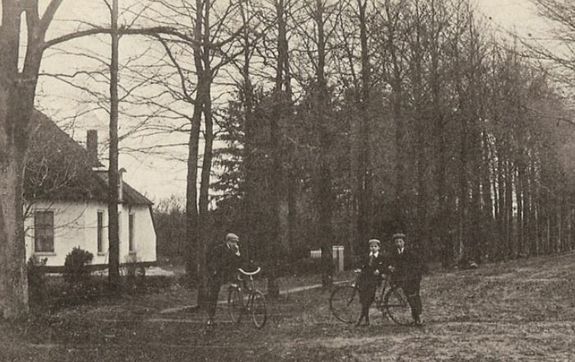
Schoolmaster's house
Schoolmaster's house
Near the little school, as was customary in those days, was a dwelling for the head teacher. The residence was first housed in the school building, which was a lot longer than the colony house
-
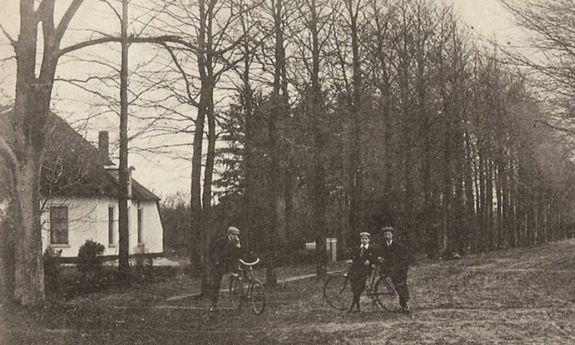
School Wilhelminaoord
School Wilhelminaoord
The children had compulsory education from the age of six. Initially, they went to school in Vledder. The school in Wilhelminaoord was built in 1821 together with the schoolmaster's house. In the mornings...
-
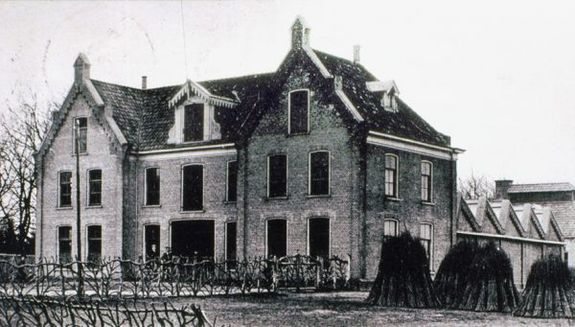
The Basketry
The Basketry
This combined basketry/weaving mill was built in 1900 after the old factory burned down. This institution, with its own blacksmith shop, met the need to help settlers who were unable to...
-
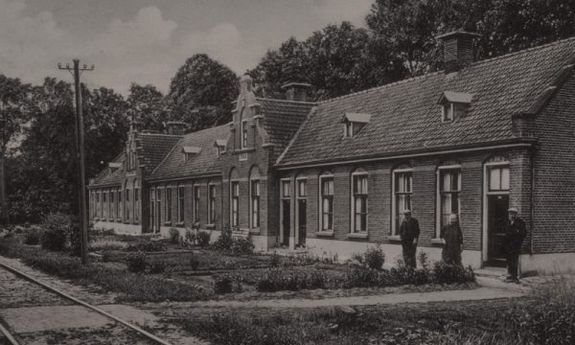
Rest Resort
Rest Resort
In the late 19th century, the need for facilities for elderly settlers arose. In 1893, the Netherlands' first homes for the elderly were built in Wilhelminaoord. Thanks to donations v...
-
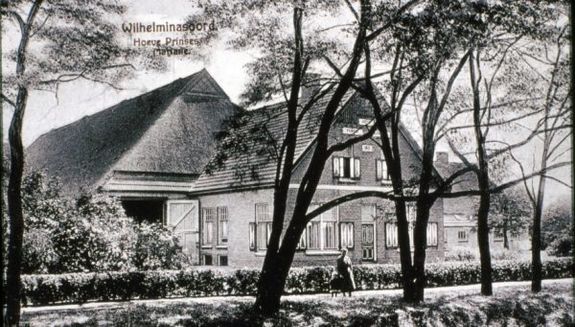
Princess Marianne Farm
Princess Marianne Farm
The farmhouse was built in 1913 to replace an 1864 farmhouse destroyed by fire. The name was first 'Hoeve De Dankbaarheid' until it turned out that the anonymous donation for the construction came from...
-
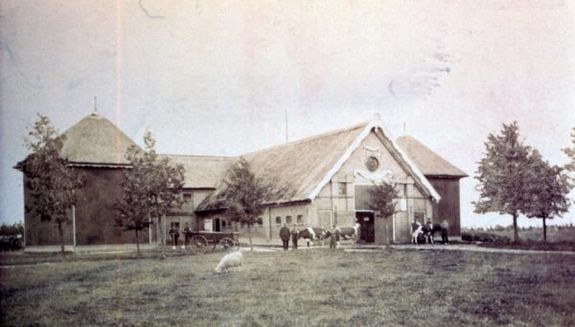
Haystack
Haystack
The six large farms of the Maatschappij van Weldadigheid each had two of these grain or hay barns. This hay barn dates back to the time of the old farm that stood here in 1864....
-
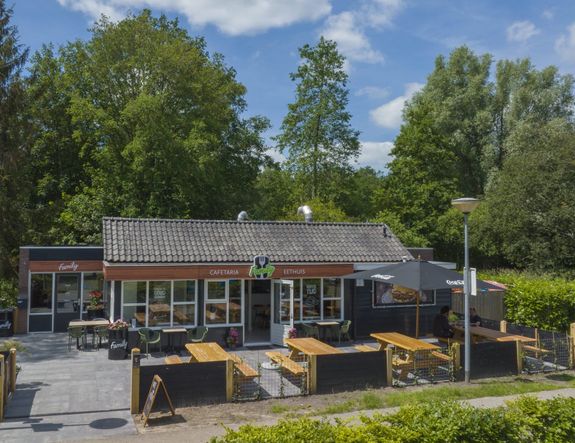
Family Wilhelminaoord
Family Wilhelminaoord
At Family Wilhelminaoord, you are more than welcome to enjoy the most delicious Family dishes from lunch to dinner. Find a cosy spot in our atmospheric eatery or order Family for home.
-
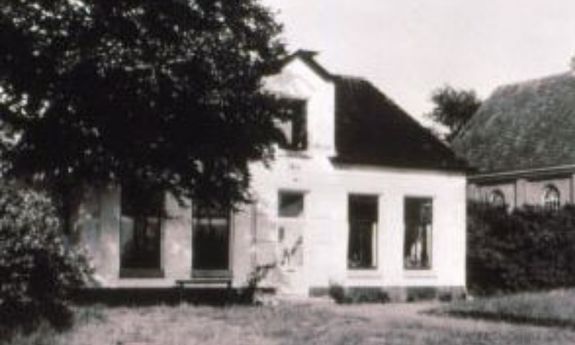
Rectory Wilhelminaoord
Rectory Wilhelminaoord
Around 1912, the vicarage was built next to the Protestant Church. Until 2008, it was occupied by the congregation's vicar. The church and rectory belong to the property of the Society of We...
-
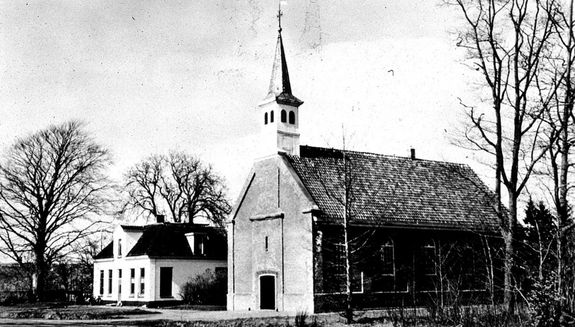
Colony Church
Colony Church
From 1818, church duty existed for the colony residents. With this, the Maatschappij van Weldadigheid tried to contribute to raising the moral level of the colonists. I...
-
The Story of Wilhelminaoord
The Story of Wilhelminaoord
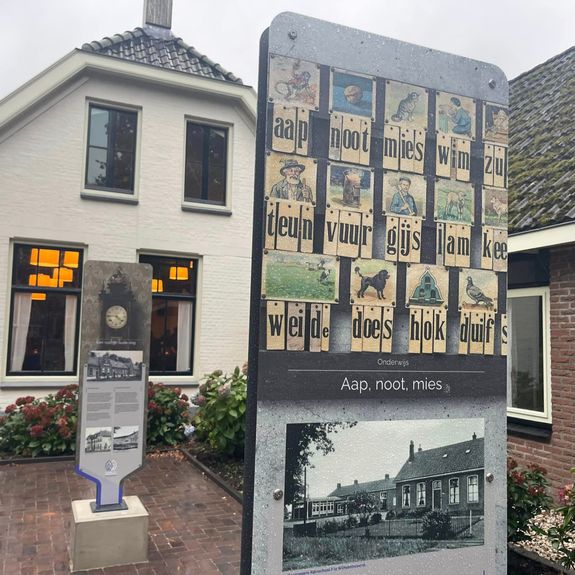
In the heart of the colony village Wilhelminaoord, the outdoor exhibition; The Story of Colony Wilhelminaoord' is on display at 'Ons Dorpshuis'. Here you can learn all about the special history of the...
-
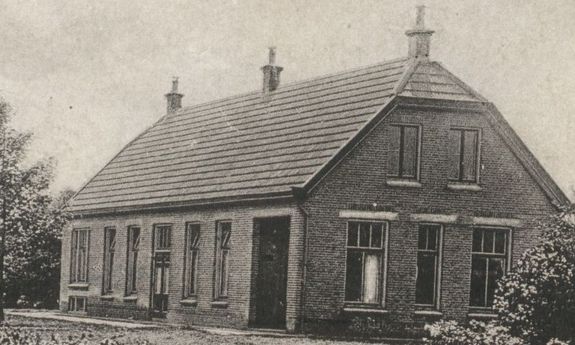
Village hall
Village hall
Founded in 1915 as an 'association hall' for teaching, holding meetings, performances and other gatherings. It was also the meeting place for the somewhat older youth
-
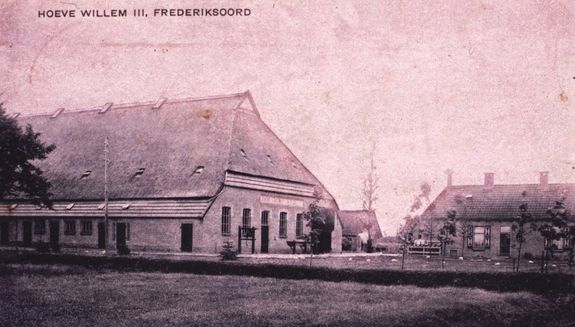
Koning Willem III farmstead
Koning Willem III farmstead
This barn was commissioned and designed by the Society of Weldadigheid in 1865. The farm has traditionally served as a model for the Society's policy of scaling up and hee...
-
-
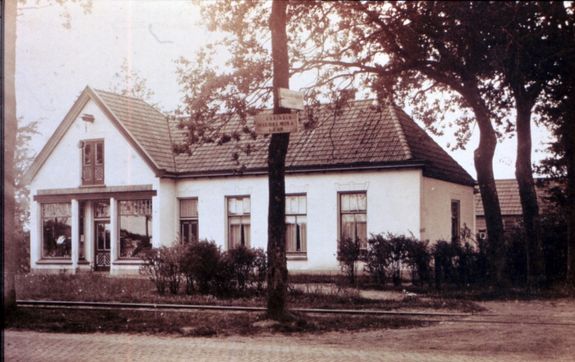
Colony Shop
Colony Shop
In the colony shops of the Maatschappij van Weldadigheid, colonists could buy everything they needed, except liquor. This was in fact forbidden. By introducing their own m...
-
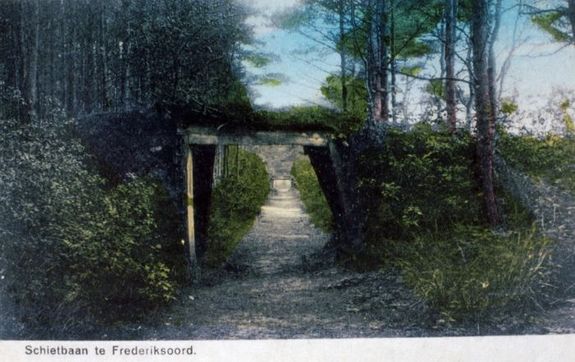
Shooting range
Shooting range
The shooting range was built in 1869 for the 'Scherpschuttersvereniging Frederiksoord en Omstreken'. Youngsters who had practised sufficiently at the Exercise School and were 14 years or older were allowed to...
-
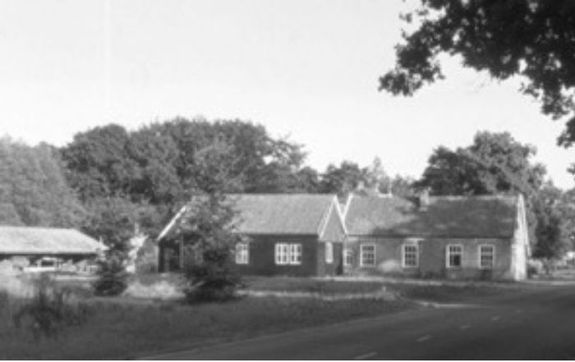
Carpenter's shop
Carpenter's shop
The carpentry shop was once used as a carpentry and maintenance workshop by the Society of Weldadigheid. For a long time, there was also a sawmill. Trees from the forests were cut with a jig...
-
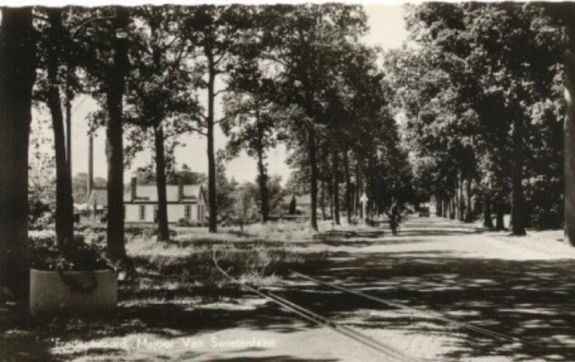
Caretaker's house
Caretaker's house
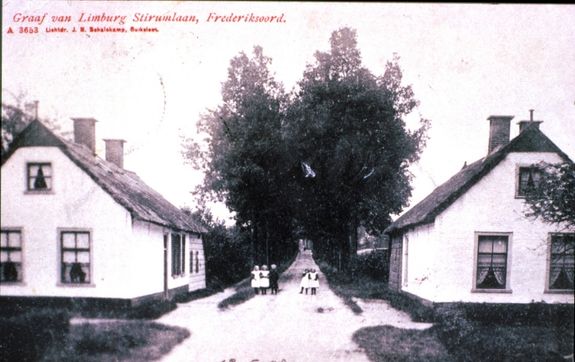
The overseer's house was built later than the many colony houses in the area. The overseer lived opposite the 'Gate of Frederiksoord', as the entrance to the Graaf van Limburg Stirumlaan g...
-
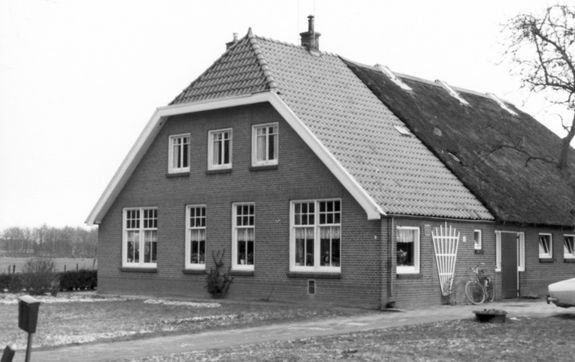
Vrijboerhoeve
Vrijboerhoeve
Built around 1900, this farmstead was intended for a 'free farmer' who leased it from the Maatschappij van Weldadigheid. Free farmers were settlers who, by their behaviour, made the full vertr...
-
Colony house Frederiksoord
Colony house Frederiksoord
This Colony House in Frederiksoord can be visited together with the Colony School and is part of the Outdoor Museum of the Colonies of Weldadigheid.